‘War has costs’: Iran defends $2 million transit fee for ships crossing Hormuz
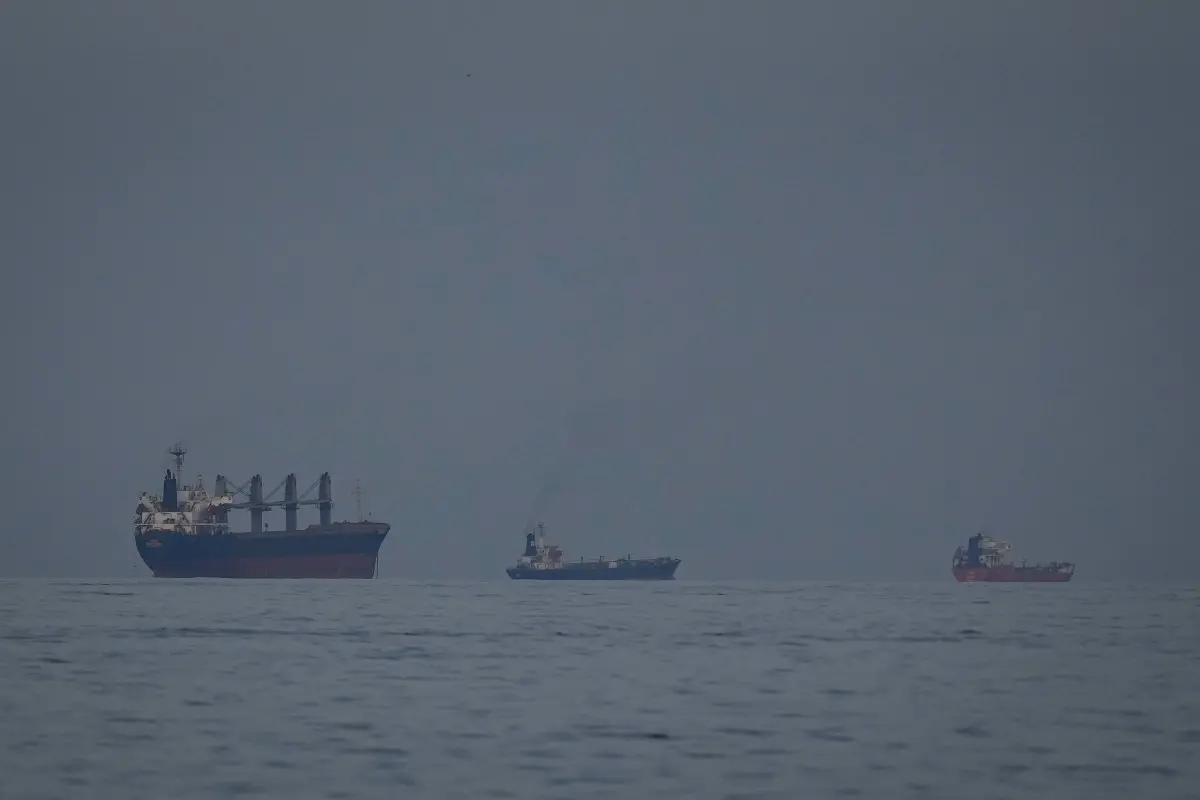
Tehran: A senior Iranian official announced Monday that Tehran has begun charging a $2 million "transit fee" for merchant vessels navigating the Strait of Hormuz, a move that further destabilizes global energy markets as a U.S.-imposed deadline to reopen the waterway looms.
Alaeddin Boroujerdi, a member of the Iranian parliament’s National Security and Foreign Policy Committee, confirmed the levy during a state television broadcast. He characterized the payment as a "sovereign right" to offset the economic burden of regional military tensions.
"War has costs," Boroujerdi said. "Naturally, those who utilise this passage under our protection must contribute to the security we provide. We have already collected these fees from several vessels that recognised our jurisdiction."
The Strait of Hormuz, a narrow chokepoint between Iran and Oman, typically handles 20% of the world’s petroleum and liquefied natural gas. However, maritime traffic has plummeted by an estimated 95% since early March, falling from 120 daily crossings to roughly 100 total over the last three weeks.
International maritime experts and legal analysts warned that the fee lacks standing under the United Nations Convention on the Law of the Sea, which generally guarantees "innocent passage" through international straits. Analysts described the payments as "negotiated safe-passage tolls" rather than formal maritime tariffs, noting that the fees appear to be applied selectively.
The development coincides with a 48-hour ultimatum issued by President Donald Trump on March 22. The U.S. administration has demanded the immediate and unconditional reopening of the strait, threatening targeted strikes against Iranian power plants and infrastructure if compliance is not met.
In response, the Islamic Revolutionary Guard Corps (IRGC) warned that any military intervention would result in a total blockade of the waterway and the destruction of regional energy facilities.
Market reaction was immediate, with Brent crude futures surging toward $120 per barrel. Shipping insurance premiums for the Persian Gulf have also skyrocketed, forcing many carriers to reroute around the Cape of Good Hope, adding weeks to global delivery schedules.
While Tehran maintains the strait remains open to "friendly" nations—specifically citing vessels with Japanese or Indian interests—all traffic must now adhere to a strict new security protocol and the contentious transit levy.