Who are the two Indian-origin CEOs named to lead T-Mobile and Molson Coors amid H-1B storm?
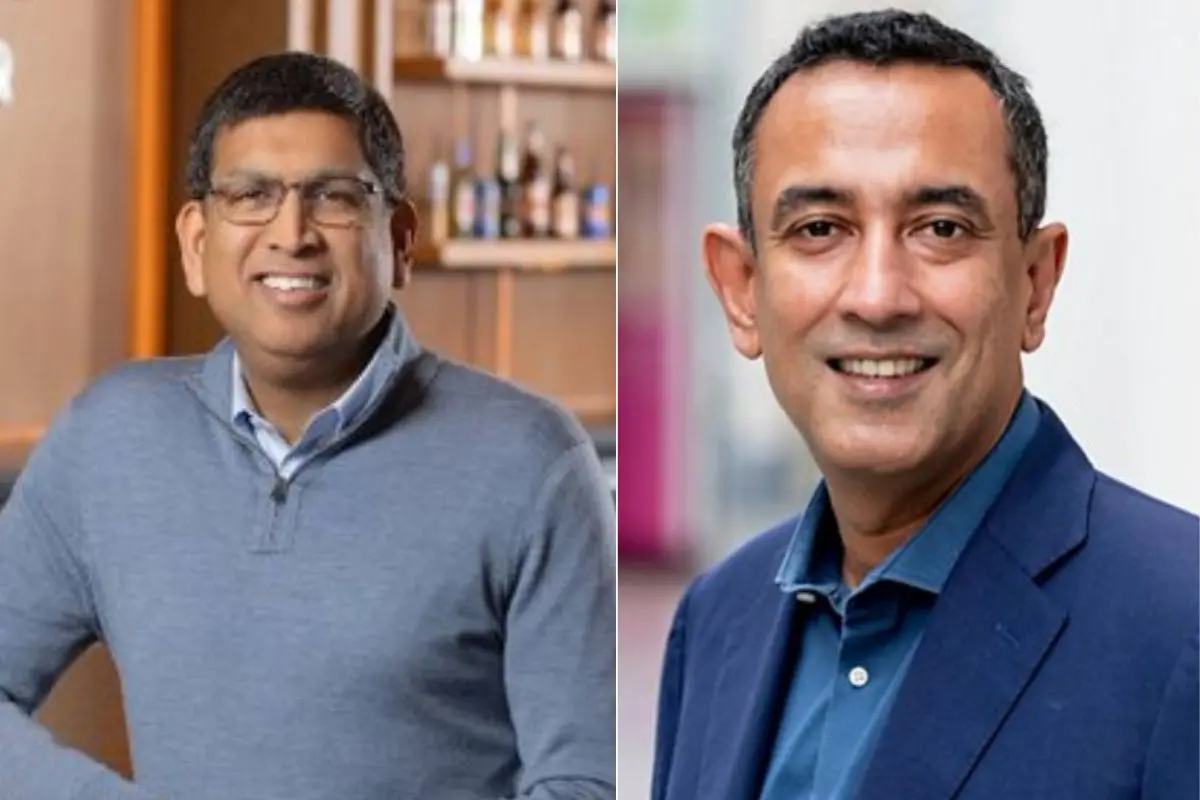
As debates around the future of the H-1B visa program intensify, two Indian-origin professionals have been named CEOs of major U.S.-based companies, signalling a powerful moment of representation for Indian talent in global leadership.
T-Mobile names Srini Gopalan as new CEO
Telecom giant T-Mobile has officially appointed Srinivasan "Srini" Gopalan as its next Chief Executive Officer, with the transition set to take place on November 1, 2025. Currently serving as the company's Chief Operating Officer, Gopalan will succeed Mike Sievert, who will move into a newly created position as Vice Chairman of the company.
In a LinkedIn statement following the announcement, Gopalan expressed that he is “deeply honoured” to lead the company into its next phase. Based in Bellevue, Washington, Gopalan’s journey started in New Delhi, where he studied at Delhi Public School, RK Puram, before earning his MBA from the Indian Institute of Management (IIM) Ahmedabad.
Professionally, Gopalan began his career as an Area Sales Manager at Unilever India, followed by a strategic role at Accenture. He has held leadership positions at Airtel and Vodafone, bringing decades of telecom experience to his new role at T-Mobile.
Rahul Goyal to lead Molson Coors as CEO
Meanwhile, brewing giant Molson Coors Beverage Company has named Rahul Goyal as its incoming President and CEO, effective October 1, 2025. Goyal has been with the company for over two decades and expressed pride in continuing to lead a business he has been a part of since 2001.
Goyal’s educational background includes a Bachelor of Engineering from the University of Mysore and a Master’s degree from the Daniels College of Business, University of Denver. He is currently based in Chicago.
Why these appointments matter now?
These high-profile appointments come at a time when the H-1B visa program, a key employment pathway for skilled foreign workers in the US, faces renewed scrutiny.
Just days ago, US President Donald Trump announced a controversial $100,000 fee on new H-1B applications, igniting concern among employers and immigrant workers alike. While the White House later clarified that the fee applies only to new applicants, the policy stirred fresh uncertainty over the future of the visa program.
The H-1B visa, long used by companies to attract global talent in fields like technology, engineering, and science, has been criticised by some for allegedly displacing American workers, a point the Trump administration has repeatedly emphasised.