‘Scholarly curiosity, not espionage’: Indian-American scholar Ashley Tellis granted pre-trial release in US espionage case
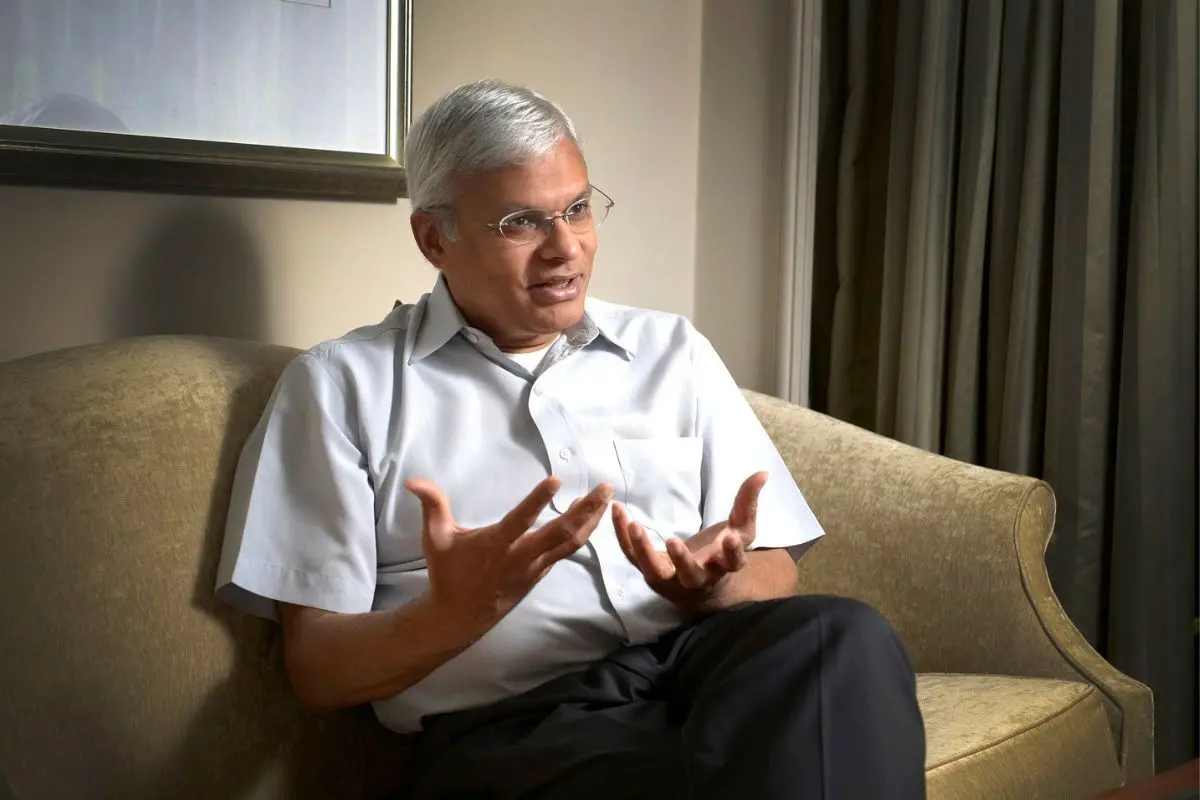
Washington, DC: Indian-American foreign policy scholar and US government adviser Ashley J. Tellis has reportedly been granted pre-trial release in a high-profile federal case involving the alleged unlawful possession of classified defence materials.
Tellis was arrested earlier this month after the FBI found more than 1,000 pages of top-secret or secret government documents at his home in Vienna, Virginia. The files reportedly included sensitive information relating to US military and defence capabilities.
A magistrate judge in the Eastern District of Virginia approved Tellis’s release on Tuesday with a $1.5 million secured bond, co-signed by his wife, Dhun Tellis, and backed by the family home.
Under the terms of his pre-trial release, he will reportedly be on home confinement, surrender his passport and is subject to electronic monitoring. His internet access will also be restricted, and travel has been limited.
Defence rejects espionage allegations
As per media reports, during the preliminary hearing, Tellis’s legal team described the prosecution’s case as an “overreach against a patriot”, arguing that the documents found in his possession were routine work materials inadvertently retained after decades of public service.
“There was no malice, no covert intent — only a lifetime devoted to understanding and strengthening US national security,” his attorneys told the court.
They said Tellis’s actions stemmed from “scholarly curiosity, not espionage”, and denied that he ever acted on behalf of a foreign power.
Defence lawyers also pushed back against claims in the FBI affidavit suggesting that Tellis might have shared information with Chinese officials. They described his interactions with Chinese diplomats as transparent academic exchanges common in foreign policy circles, and said meetings referenced by investigators were fully disclosed during routine security clearance reviews.
One cited FBI report alleged that Tellis had dined with Chinese officials in a Virginia suburb, once receiving a “red gift bag” and carrying a manila envelope. His lawyers dismissed this as a cultural misunderstanding, saying the bag contained tea, a customary gift in Asian culture, and that the envelope likely held copies of one of his published policy papers.
According to court filings, surveillance footage showed Tellis leaving several federal buildings, including State Department offices, carrying a briefcase believed to contain printed materials.
A distinguished career in foreign policy
Tellis, a respected figure in Washington’s strategic community, currently serves as a senior fellow at the Carnegie Endowment for International Peace. He previously worked as a senior adviser at the US State Department and as a contractor with the Pentagon’s Office of Net Assessment, where he held Top Secret/Sensitive Compartmented Information (SCI) clearance.
During the George W. Bush administration, Tellis played a key role in shaping the US–India civil nuclear agreement, a landmark deal that transformed bilateral relations.
His defence team highlighted these credentials in court, emphasising his “lifelong commitment to American national security”.
Federal prosecutors, however, contend that Tellis violated national security laws by removing and storing classified materials outside secure facilities, including Sensitive Compartmented Information Facilities (SCIFs).
If convicted of unlawful retention of national defence information, Tellis faces a maximum penalty of up to 10 years in prison.
Judge Lindsey Robinson Vaala ruled that Tellis was not a flight risk, citing his 40 years of US residency, strong community ties, and family support.
The next hearing in the case is scheduled for November 4, 2025.
In a brief statement following the ruling, Tellis’s lawyers reaffirmed their client’s intent to “fully cooperate with the authorities” and to “vigorously contest all unfounded allegations of espionage.”