‘US blockade violations won't be tolerated’: Rubio after Jaishankar's protest
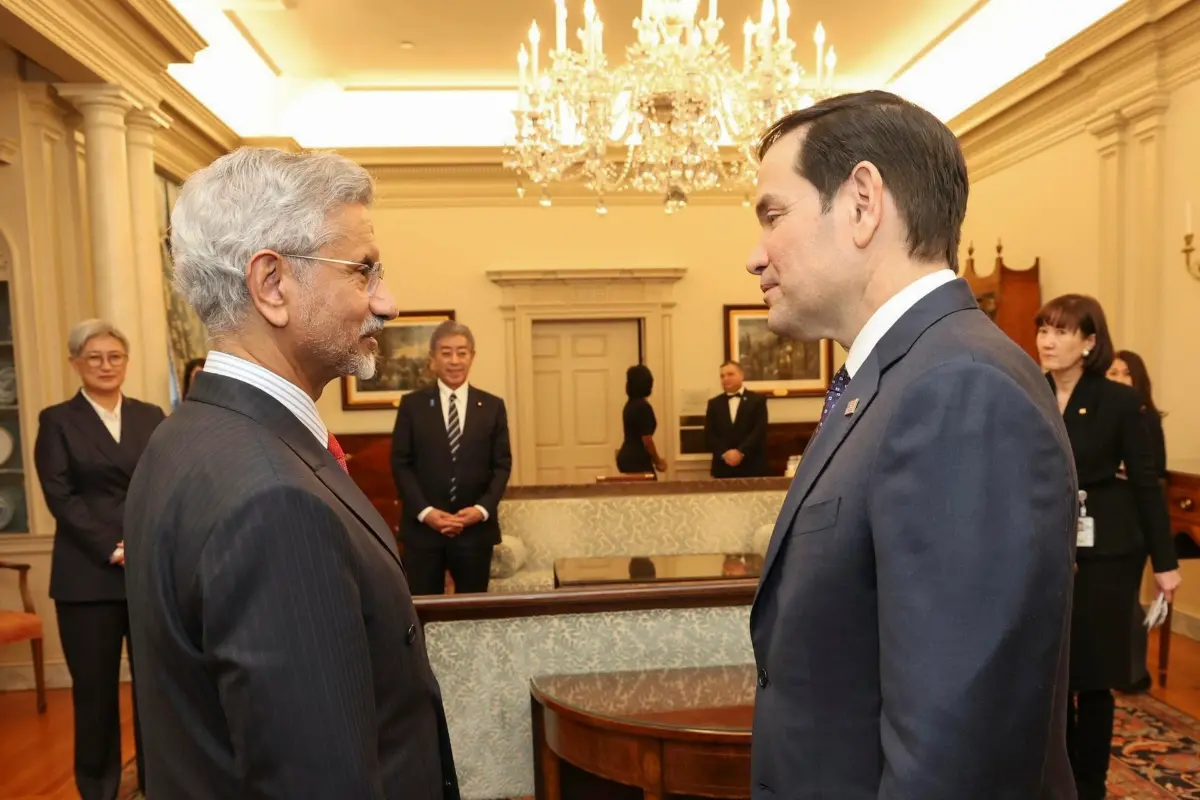
Washington DC: A fresh diplomatic exchange between India and the United States has unfolded amid continuing tensions in the Strait of Hormuz, with US Secretary of State Marco Rubio warning that violations of the American blockade and the illicit transport of Iranian oil "will not be tolerated".
Rubio conveyed the message during a phone call with External Affairs Minister S. Jaishankar on Friday. The conversation came after India raised strong objections to the deaths of three Indian mariners in attacks on commercial vessels near the coast of Oman earlier this week.
US Secretary of State Marco Rubio stressed that “All commercial vessels should immediately comply with orders from US forces” operating in the Strait of Hormuz and warned that “violations of the US blockade and the illicit transport of Iranian oil will not be tolerated.”
According to the US State Department, Rubio stressed that all commercial vessels operating in the Strait of Hormuz should immediately comply with directives issued by US forces, which Washington says are aimed at maintaining peace and security in the strategic waterway. He also reiterated that attempts to circumvent the blockade or transport Iranian oil in violation of US measures would face consequences.
Jaishankar, however, used the conversation to express India's concerns over the attacks on merchant shipping that resulted in the deaths of Indian nationals. In a statement posted on social media, the External Affairs Minister said he had conveyed a "strong protest" to the US side, adding that "such lethal actions against commercial shipping are not justified."
The diplomatic exchange comes at a sensitive moment as reports suggest that negotiations between Washington and Tehran are moving closer to a possible agreement aimed at ending months of confrontation in the region. Pakistan Prime Minister Shehbaz Sharif claimed that the United States and Iran had agreed on the final wording of a peace deal, though Iranian officials later said no final decision had yet been taken.
While optimism has grown around a potential diplomatic breakthrough, tensions remain high in and around the Strait of Hormuz. The waterway handles a significant share of global oil shipments and has become a focal point of military activity since the conflict escalated. US officials have reported intercepting Iranian drones targeting commercial vessels, while several shipping incidents have been recorded in recent days.
The deaths of the Indian seafarers have added a new dimension to the crisis for New Delhi. India has already summoned senior US diplomats to register its concerns and is closely monitoring the safety of Indian nationals working aboard merchant ships operating in the Gulf region.
As negotiations continue and military deployments remain active, the Strait of Hormuz remains one of the world's most closely watched flashpoints, with implications for global energy markets, maritime security and regional stability.