IEA authorises historic 400-million-barrel oil release to counter Middle East conflict shock
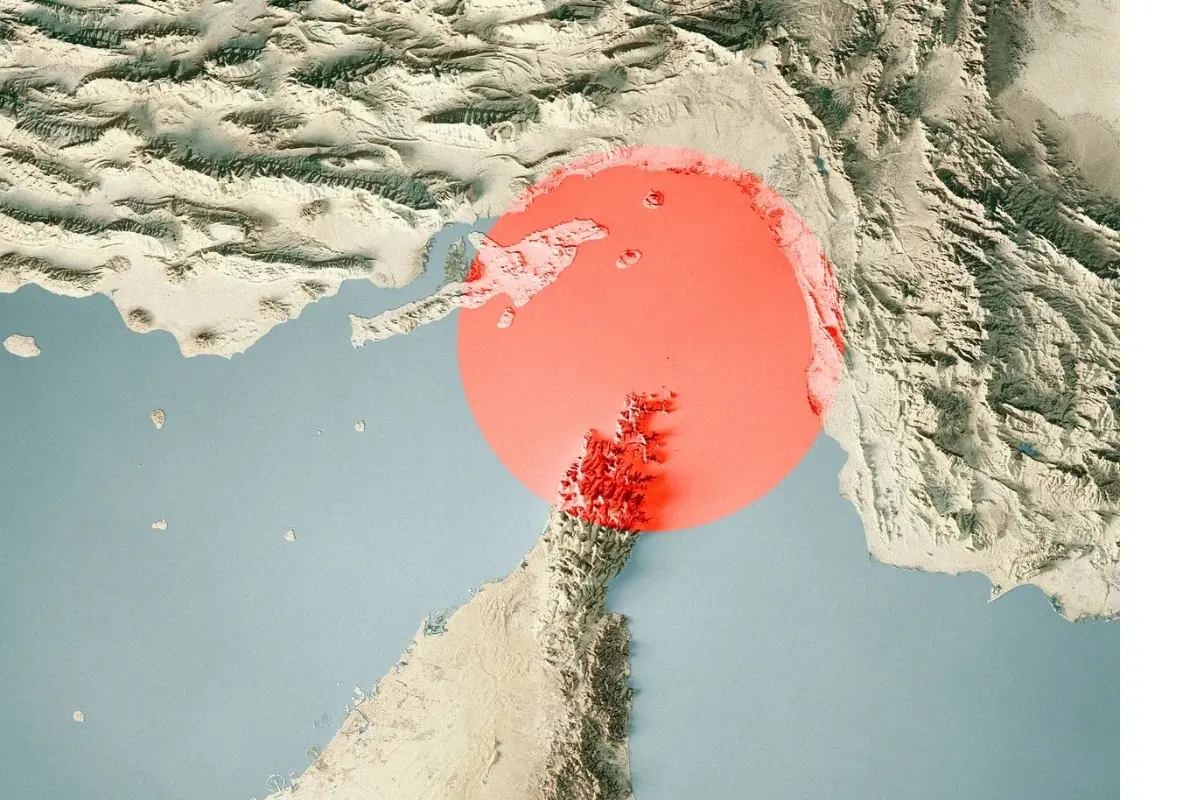
Paris: The International Energy Agency (IEA) on Wednesday authorised the largest emergency oil release in its 52-year history, pledging to inject 400 million barrels into a global market destabilised by the widening conflict in the Middle East.
The Paris-based organisation’s intervention more than doubles the 182.7 million barrels released in 2022 following the Russian invasion of Ukraine. The move comes as U.S. and Israeli military strikes against Iran enter their second week, prompting Tehran to retaliate by targeting energy infrastructure and commercial shipping.
“Without sufficient routes to market and with no more available storage, Middle East oil producers have started to reduce production," IEA Executive Director Fatih Birol said. He noted that ongoing assaults on refineries and pipelines have caused "major implications for jet fuel and diesel supplies in particular.”
Global strategic response
The 400-million-barrel release will be drawn from the IEA's collective public emergency stocks, which currently stand at 1.2 billion barrels, supplemented by 600 million barrels of government-mandated industry reserves.
Following an emergency meeting of Group of Seven (G7) energy ministers on Tuesday, several nations moved immediately to comply with the IEA's request:
- Germany: Economy Ministry official Katherina Reiche confirmed the country would release 2.64 million tons of oil, stating, “Germany stands behind the IEA’s most important principle of mutual solidarity.”
- Austria: Economy Minister Wolfgang Hattmannsdorfer announced a partial release of oil reserves and an extension of the national strategic gas reserve.
- Japan: The government slated its reserve release to begin Monday.
Despite the historic volume, Birol warned that the measure is a temporary fix. “The most important thing for a return to stable flows of oil and gas is the resumption of transit through the Strait of Hormuz,” he said.
Market disruptions and price controls
The conflict has effectively paralysed the Strait of Hormuz, a conduit for 20 per cent of the world’s oil. According to IEA data, exports of crude and refined products have plummeted to less than 10 per cent of pre-war levels.
In response to skyrocketing costs at the pump, European governments are moving to implement strict price regulations:
- Germany: The government will soon restrict gas stations to a single price increase per day.
- Austria: Beginning Monday, fuel retailers will be prohibited from raising prices more than three times per week. "In a crisis, there must be no crisis winners at the expense of commuters and businesses," Hattmannsdorfer said.
The IEA was established in 1974 following the Arab oil embargo. Wednesday’s announcement marks only the sixth time the agency has coordinated a global stock release, following interventions during the 1991 Gulf War, Hurricane Katrina, the 2011 Libyan civil war, and the 2022 Ukraine crisis.
G7 leaders, representing the United States, Britain, France, Germany, Italy, Canada, and Japan, were scheduled to hold a videoconference late Wednesday to further coordinate their economic response to the energy shortage.
With inputs from AP