From 1782 to 1980s: How Jesse Jackson brought the term ‘African American’ into the mainstream
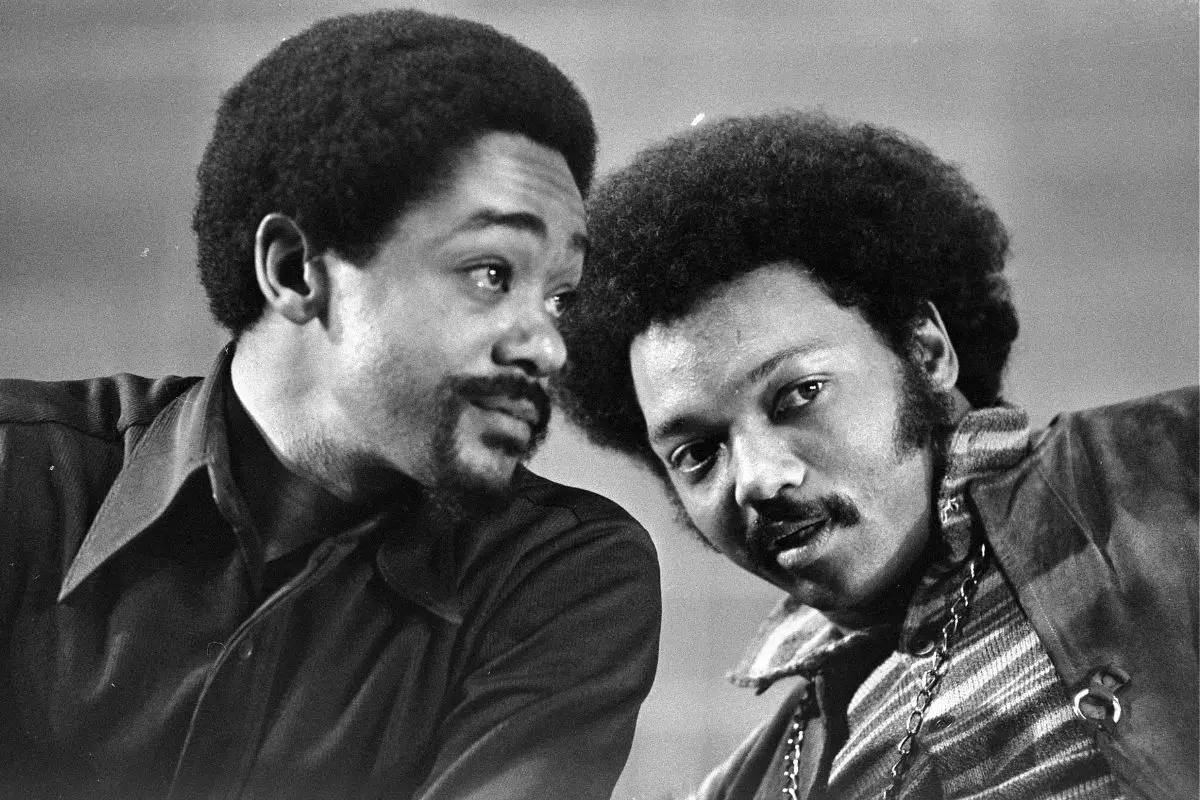
The Rev. Jesse Jackson, who died Tuesday at age 84, played a pivotal role in shaping the language used to describe Black identity in the United States. A protégé of the Rev. Dr. Martin Luther King Jr., Jackson spent decades advocating for civil rights, social justice, and the empowerment of marginalized communities. Among his many contributions, he is credited with helping popularize the term “African American,” a shift in language aimed at reclaiming cultural identity and dignity.
In the late 1980s, Jackson joined members of the NAACP and other civil rights leaders in pushing to replace older terms such as “colored” and “black” with a phrase that better reflected ancestral roots and historical context. “To be called African Americans has cultural integrity — it puts us in our proper historical context,” Jackson said at the time. “Every ethnic group in this country has a reference to some base, some historical, cultural base.”
While scholars had used “African American” long before Jackson’s campaign, the term had not entered mainstream usage. Research indicates it appeared as early as 1782 on a pamphlet titled By an African American, published in Philadelphia, but it wasn’t until Jackson and the broader civil rights movement advocated for it that the phrase gained widespread traction.
Jackson took inspiration from other minority communities pushing for recognition and appropriate terminology. Debates over terms like “Latino” and “Hispanic” were underway, and Asian American groups had successfully lobbied the U.S. Census Bureau in 1990 to list Native Hawaiians and Pacific Islanders separately. Though “African American” did not make it into that census, the agency issued guidance stating that “Black or Negro includes African-Americans.”
ALSO READ | The Trump effect: What’s changing about MLK day in 2026
In January 1989, sociologist Walter Allen described the adoption of the term as “a significant psychological and cultural turning point” in The New York Times. That followed a Jackson-led meeting of 75 Black organizations, from fraternities and sororities to advocacy groups and social clubs, which reportedly reached an “overwhelming consensus” supporting the change. School districts in Chicago and Atlanta quickly adopted the term in classrooms, helping to cement it in American vernacular.
Today, “Black” and “African American” are often used interchangeably, though each carries its own nuance. “Black” is broader, encompassing people from the Caribbean and Latin America, while “African American” emphasizes ancestral roots in Africa. Critics of the term argue it can impose a modifier on American identity or suggest a direct connection to Africa that may not reflect every individual’s lived experience.
Jackson’s advocacy for the term was more than a matter of semantics. It was a deliberate effort to instill pride and historical awareness in a community that had long been denied both. By championing “African American,” he helped shape not only the way people identify themselves but also how the nation understands and acknowledges Black history and culture.
Surrounded by family, Jackson passed away at home in Chicago from a rare neurological disorder. His legacy, including his role in elevating the term “African American,” remains a testament to his lifelong fight for dignity, justice, and recognition for Black Americans.