US moves to raise H-1B minimum wages by 30% to protect American jobs
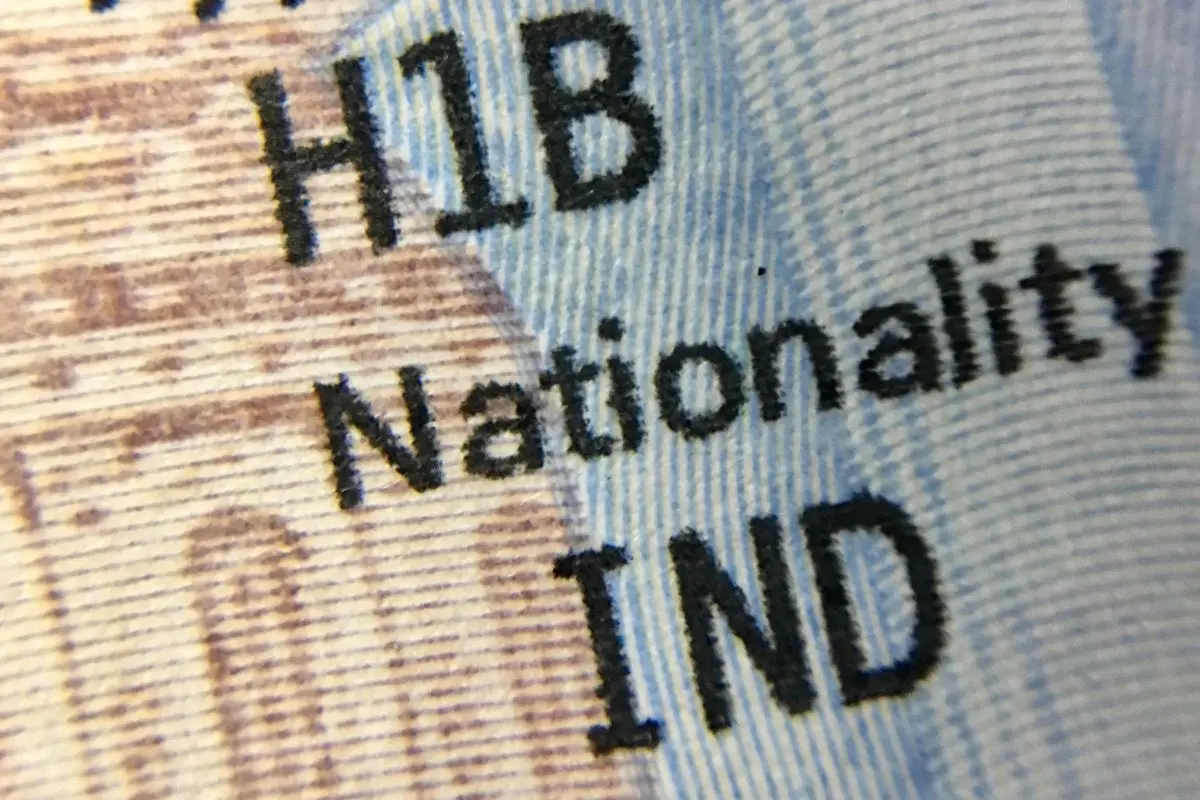
Washington: The United States has introduced a proposal to elevate the minimum compensation required for hiring employees under the H-1B visa program by approximately 30 per cent. The administration asserts that the adjustments are necessary to ensure that foreign labour does not depress the wages of American citizens.
The Department of Labour (DOL) unveiled the draft regulation on March 27, targeting salary increases across four distinct tiers, ranging from novice practitioners to highly experienced professionals. Federal officials argue that the current wage benchmarks, established two decades ago, are outdated and insufficient to safeguard the domestic workforce.
Revised Salary Tiers
The proposed rule, titled "Improving Wage Protections for the Temporary and Permanent Employment of Certain Foreign Nationals in the United States," outlines a significant departure from current requirements. Under the existing framework, the average annual compensation for entry-level foreign staff stands at $73,279 (approx. Rs 69,19,406). For more advanced roles, the figures are $98,987 (approx. Rs 93,46,896) (Level II), $121,979 (approx. Rs 1,15,17,928) (Level III), and $144,202 (Rs 1,36,16,345) (Level IV).
The new mandate seeks to recalibrate these figures as follows:
- Level I (Entry-level): $97,746 (approx. Rs 92,29,714) (an increase of 33.39%)
- Level II: $123,212 (approx. Rs 1,16,34,354) (an increase of 24.47%)
- Level III: $147,333 (approx Rs 1,39,11,992) (an increase of 20.79%)
- Level IV: $175,464 (approx. Rs 1,65,68,275) (an increase of 21.68%)
While these figures represent national averages, the Department noted that prevailing wages will continue to vary based on specific regional cost-of-living data.
Broad Regulatory Impact
The Labour Department contends that current protocols allow corporations to employ international workers at rates significantly lower than those earned by Americans in comparable positions. If enacted, these modifications will fundamentally alter the wage landscapes for the H-1B, H-1B1, E-3, and PERM labour certification programs.
Public reaction to the proposal has been polarised. Proponents argue the shift is vital for labour protection, while critics contend that the financial burden may prevent smaller firms from recruiting junior talent for entry-level positions.
The public comment period is scheduled to conclude on May 26, after which the DOL will analyse the feedback before issuing a final notification.
Policy Context
This regulatory push follows a series of executive actions aimed at overhauling specialised labour visas. During its first term in 2020, the Trump administration attempted to revise wage levels without a public comment period, a move that was eventually rescinded due to litigation.
More recently, a presidential order issued on September 19, 2025, instituted a $100,000 (approx Rs 94,42,550) fee for H-1B applicants residing outside the United States. That same executive directive tasked the Secretary of Labour with initiating the current rulemaking process to overhaul the prevailing wage structure.
With inputs from PTI