Gulf countries report new attacks after Iran warns major UAE ports to evacuate
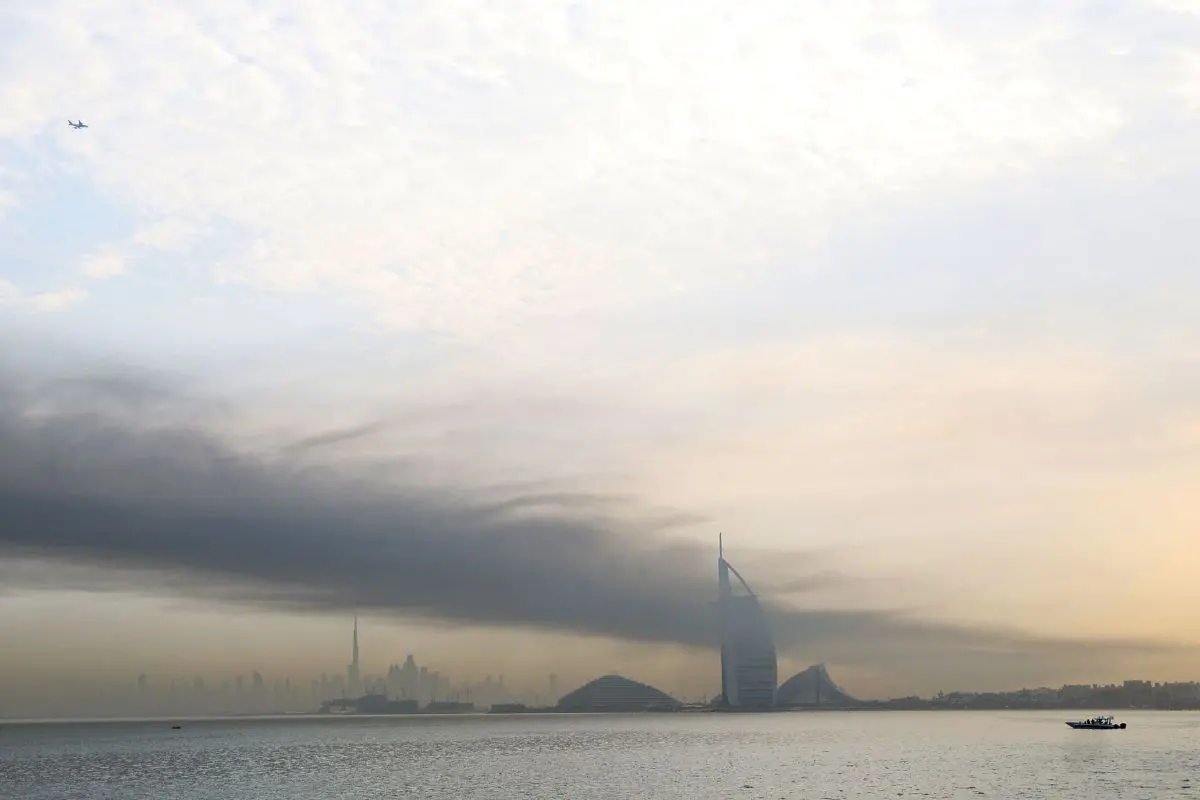
Fresh attacks were reported across the Gulf region on Sunday, escalating tensions in the ongoing conflict involving Iran, Israel and the United States. The developments came a day after Tehran called for the evacuation of three major ports in the United Arab Emirates, marking the first time it has threatened assets belonging to a neighbouring country not directly linked to the US.
Iran accused Washington of using ports and facilities in the UAE to launch strikes on Kharg Island, which hosts the main terminal handling the country’s oil exports. Tehran did not provide evidence for the claim.
Strait of Hormuz in Focus
The escalation has raised serious concerns about security in the Strait of Hormuz, a vital corridor for global energy supplies.
US President Donald Trump said he hoped allied nations would deploy warships to help secure the waterway as Iran attempts to restrict shipping.
ALSO READ | Strait of Hormuz on front line of Middle East war after surge in ship attacks
US Energy Secretary Chris Wright confirmed he had been in discussions with several countries about supporting efforts to keep the route open, though he did not identify them. Speaking on NBC’s Meet the Press, Wright said shipping through the strait was currently unsafe and noted that many Asian economies depend heavily on energy transported through the passage.
Regional Impact and Diplomatic Moves
Regional leaders have begun calling for de-escalation. Abdel Fattah el-Sissi, President of Egypt, expressed “full support and solidarity” with Tamim bin Hamad Al Thani, the Emir of Qatar, while Egypt’s Foreign Minister Badr Abdelatty urged restraint during a visit to the Gulf.
Humanitarian aid has also begun reaching Iran. Four trucks carrying medicines, food and clothing left Ashgabat for Iran on Sunday, according to state media in Turkmenistan.
Meanwhile, Bahrain said its air defences had intercepted 125 missiles and 211 drones since the conflict began. The island nation, which hosts the US Navy’s Fifth Fleet, has seen ports, a refinery and other infrastructure targeted in recent attacks.
Growing Humanitarian and Economic Fallout
Israeli strikes have deepened the humanitarian crisis in Lebanon, where more than 800 people have been killed and over 850,000 displaced. Large parts of southern Beirut, including the suburb of Haret Hreik, were left with collapsed buildings and burning debris after overnight airstrikes.
Iranian missile barrages also struck areas around Tel Aviv, damaging buildings and injuring several people. Emergency services reported more than 20 impact sites across the greater Tel Aviv area.
The conflict has begun to disrupt global industry. The aluminium producer Aluminium Bahrain announced it would gradually shut down nearly one-fifth of its production capacity as exports remain blocked through the Strait of Hormuz, raising concerns about supply shortages.
Calls for Peace
International figures have urged restraint. Pope Leo XIV appealed to leaders to end the fighting and reopen dialogue, warning that continued violence would only deepen suffering across the region.
Meanwhile, Jonas Gahr Støre, Prime Minister of Norway, cautioned that wars rarely unfold according to plan and warned that the ongoing escalation could have far-reaching global consequences.
Iran’s Health Ministry said US and Israeli strikes had killed 223 women and 202 children since the war began in late February. The Iranian Red Crescent estimates that the total death toll in Iran has surpassed 1,300 people, highlighting the growing human cost of the conflict.