Grand Canyon Lodge wildfire: A look back at North Rim’s rustic icon destroyed by flames
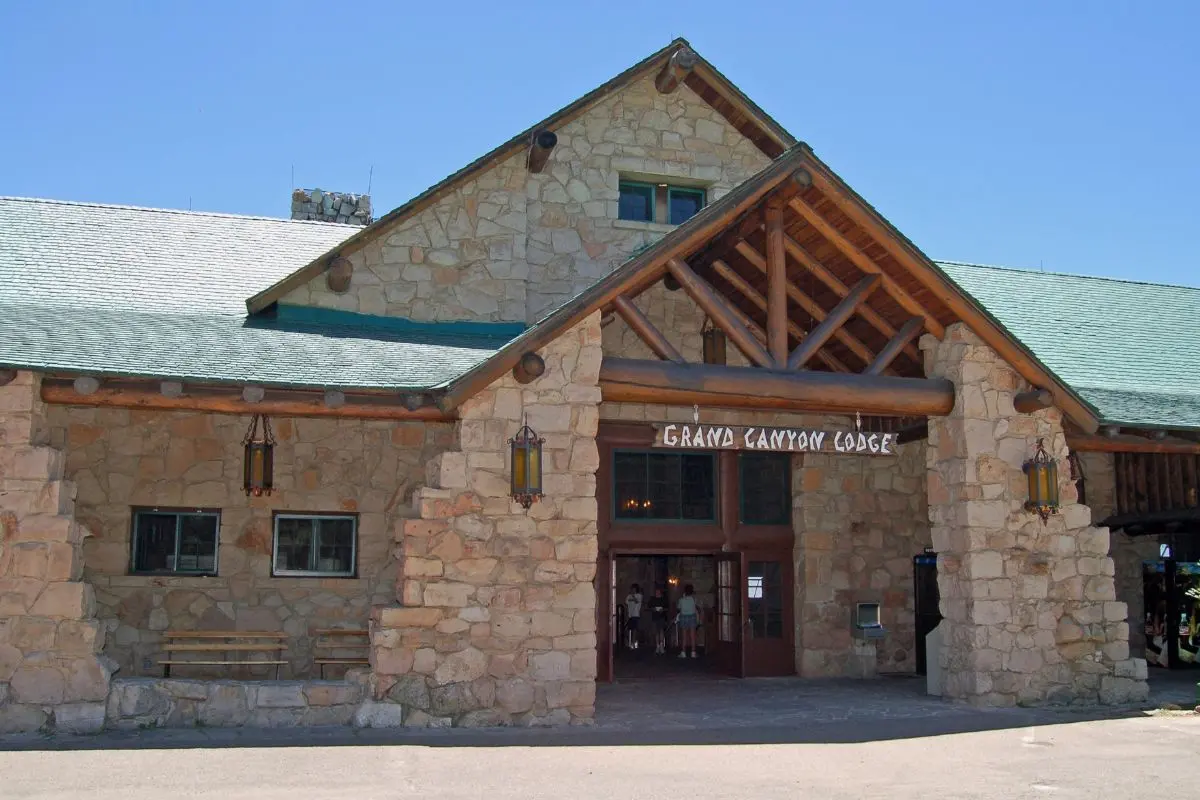
Flagstaff, Ariz.: A fast-moving wildfire has devastated one of the Grand Canyon’s most beloved and historic landmarks, the Grand Canyon Lodge, leaving behind scorched rubble where generations of visitors once gathered to take in the canyon’s majestic North Rim views. The lodge, nearly a century old and steeped in history, was among dozens of structures lost to a blaze that officials say spread with alarming speed and intensity.
The fire, dubbed the Dragon Bravo Fire, ignited on July 4 after a lightning strike and quickly grew under extreme weather conditions. Fueled by hot temperatures, low humidity and gusty winds, the wildfire ballooned to nearly 8 square miles (20 square kilometres) and overwhelmed containment strategies by the following week. By Sunday, park authorities confirmed that the fire had destroyed between 50 and 80 structures, including the lodge, a visitor centre, a gas station, a wastewater treatment plant, administrative buildings and staff housing. "Numerous" historic cabins also perished in the flames, according to the National Park Service.
A century of legacy reduced to ash
The Grand Canyon Lodge stood as the North Rim’s only in-park lodging and was often the first stop for travellers arriving at the end of Highway 67. Known for its steeply pitched roof, massive limestone facade and grand ponderosa beams, the lodge was more than just accommodation, it was an experience. Visitors stepping into the lobby were greeted by the famed “Sun Room,” where panoramic windows offered their very first glimpse of the awe-inspiring canyon.
“It just feels like you’re a pioneer when you walk through there,” said Tim Allen, a long-time visitor from Flagstaff, Arizona. “It really felt like you were in a time gone by.”
Allen, who made annual visits to the North Rim, said the area’s remoteness and peaceful atmosphere made it feel more personal than the often-crowded South Rim. “It’s heartbreaking,” he added of the fire’s destruction.
The lodge’s original structure was built in 1928, only to be consumed by a kitchen fire in 1932. Four years later, the lodge was reconstructed using the original stonework and reopened in 1937. That iteration became a cultural touchstone for visitors and staff alike, a living monument to rustic National Park architecture.
Memories and family traditions lost
Among those caught in the sudden evacuation was Caren Carney, who had travelled from Georgia with her husband, parents and 12-year-old son to revisit the North Rim. A park ranger knocked on their door Thursday to inform them they needed to leave immediately.
Carney’s connection to the North Rim dates back to her own childhood when she first visited with her parents in the early 1990s. “We told my son while visiting that this is now a family tradition and he should bring his children when they are 12,” she said. “I hope there will be something as magnificent for them to see in the future, and I’m so glad we got to have one final look at it in the present before it was lost.”
After evacuating, her family relocated to the South Rim, where they could still see smoke rising from the distant fire.
The company operating the lodge, Aramark, confirmed that all employees and guests were safely evacuated. “As stewards of some of our country’s most beloved national treasures, we are devastated by the loss,” said company spokesperson Debbie Albert.
More than just a building
The lodge also housed valuable historical artefacts, including a famous 600-pound bronze statue of “Brighty the Burro,” a donkey immortalised in Grand Canyon folklore. Thomas Sulpizio, president of the Grand Canyon Historical Society, expressed concern over the loss of archives and memorabilia, much of which had yet to be confirmed as saved or lost.
The fire threat has also led to broader closures and disruptions. Park officials evacuated firefighters, hikers and staff over the weekend, and the North Rim will remain closed for the rest of the season. Rafters navigating the Colorado River through the canyon have been told to avoid Phantom Ranch due to smoke and potential chlorine gas exposure after the treatment plant was destroyed. Chlorine gas, heavier than air, poses risks of respiratory problems if inhaled in high concentrations, the CDC warned.
Parallel blaze and expanding danger
While the Dragon Bravo Fire wreaked havoc at the North Rim, crews were also battling the White Sage Fire nearby. That fire, which prompted the initial evacuation of the North Rim and Jacob Lake community, had charred 63 square miles (162 square kilometres) by Sunday.
Fire officials reported that containment lines were holding on the southern front, where ground crews and bulldozers were reinforcing defences. But the blaze continued to spread rapidly to the north and east, toward the Vermilion Cliffs. Dead trees and dry grasses contributed to the fire's strength as teams looked for strategic points to build firebreaks.
Fires rage across western Colorado
Elsewhere, wildfires continued to disrupt life in Colorado and Utah. In Colorado, a lightning-sparked blaze on July 11 forced the closure of Black Canyon of the Gunnison National Park and nearby residential evacuations. The fire has so far consumed 5.6 square miles (14.5 square kilometres).
Gov. Jared Polis declared a disaster emergency on Sunday in response to the fires in western Colorado, all of which erupted during the same storm.
In neighbouring Utah, another wildfire near La Sal, just across the Colorado border, has burned around 14 square miles (36.3 square kilometres) and continues to spread.
(With inputs from AP)