Clock ticking for Ukraine? Rubio lands in Geneva with Trump’s peace plan after Putin’s nod
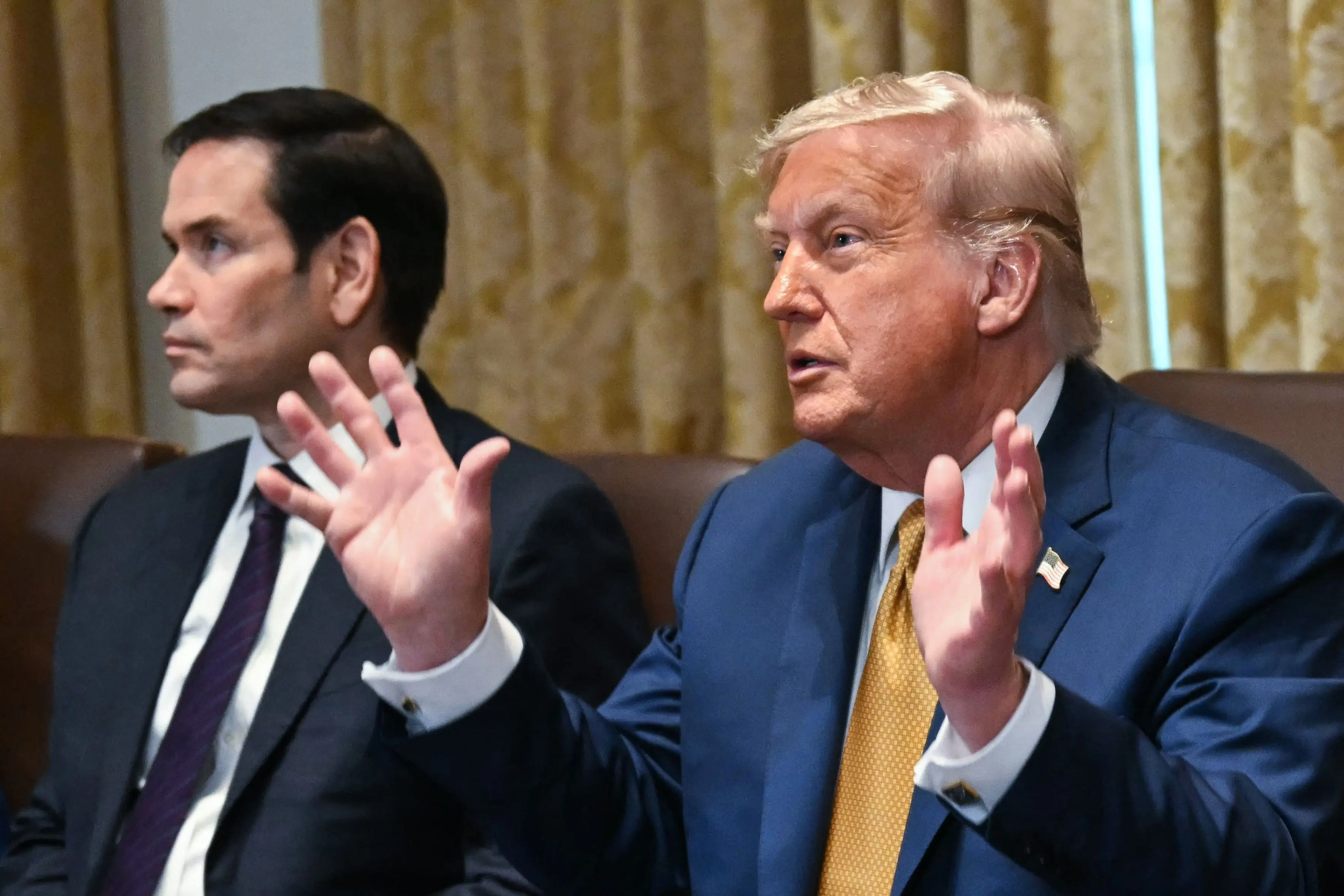
Geneva: US Secretary of State Marco Rubio landed in Geneva on Sunday as senior officials from Ukraine, the United States, the European Union, the United Kingdom and the E3 countries prepared to begin negotiations on Washington’s proposed 28-point plan aimed at ending the war with Russia.
Rubio’s aircraft touched down shortly before 9:30 am local time, according to AFP journalists present at the airport.
The talks, attended by Ukrainian, American and European representatives, come during a period of uncertainty and controversy surrounding the plan. President Donald Trump has reportedly given Ukraine’s President Volodymyr Zelenskyy until Thursday to accept the proposal, heightening pressure on Kyiv as intense fighting continues in eastern Ukraine.
Before departing for Switzerland, Rubio posted on X that the plan was authored in Washington and serves as a “strong framework for ongoing negotiations”. He said the proposal includes input from both Russia and Ukraine but rejected claims that it favoured Moscow’s demands.
Those criticisms were aired by a bipartisan group of veteran US senators at the Halifax International Security Forum in Canada, who described the plan as resembling a Russian “wish list”. Republican Senator Mike Rounds argued that the document “looked more like it was written in Russian to begin with”. The State Department dismissed the allegations as “blatantly false”.
Concerns have been raised within both Ukraine and Europe that parts of the plan could undermine Ukraine’s long-term security. The proposal reportedly includes provisions underlining Ukrainian sovereignty and future security guarantees but also suggests territorial concessions and reductions to the size of Ukraine’s armed forces—issues that critics say align too closely with Kremlin demands.
Russian President Vladimir Putin welcomed the proposal on Friday, calling it a possible basis for a final peace settlement if the US convinces Ukraine and its European partners to accept it. European allies have voiced reservations, arguing that any move to limit Ukraine’s military capabilities risks leaving it vulnerable to future attacks.
Zelenskyy has so far taken a cautious approach, saying he intends to “work calmly” with the US and European allies to navigate what he described as one of the most difficult moments in Ukraine’s modern history.
National security advisers from France, Germany and the United Kingdom—the E3—will attend the Geneva meetings as Western governments seek clarity on several contentious points within the proposal.
The diplomatic efforts come as battles intensify across the front line. Russian forces continue attempting to seize additional territory in Zaporizhia and Donetsk, while defending against Ukrainian strikes on fuel and energy infrastructure. Fighting in the eastern Donbas region remains among the fiercest of the conflict, with Russia intent on securing full control of the area.
The Geneva talks mark a critical test for the US-led effort to push forward negotiations amid ongoing battlefield escalation, political divisions in Washington, and deep hesitations among Ukraine and its European partners about the proposal’s terms.