Diego Maradona’s medical team on trial for homicide 4 years after his death: The case explained
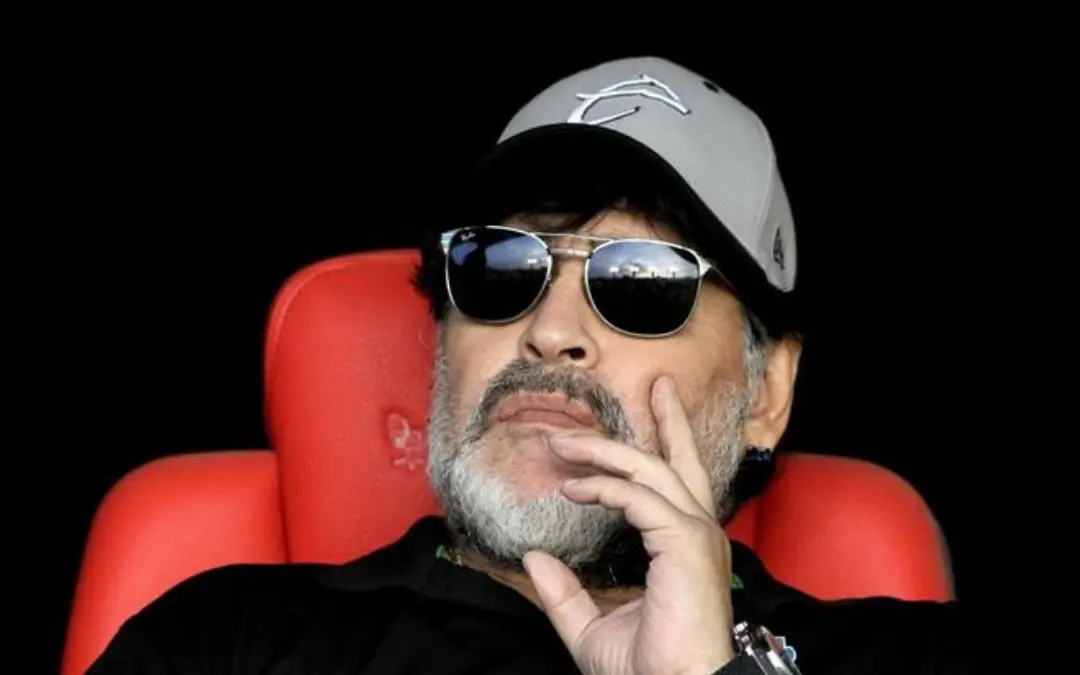
Buenos Aires: Four years after the death of football legend Diego Maradona, seven healthcare professionals have gone on trial, facing charges of negligence leading to his demise at 60.
The trial, which commenced on Tuesday, will determine whether the accused—including a neurosurgeon, a psychiatrist and several medical staff—are guilty of manslaughter. If convicted, they could face prison sentences of up to 25 years.
The case against Maradona’s caregivers
Maradona, widely regarded as one of the greatest footballers of all time, died of a heart attack on 25 November 2020 while recovering from brain surgery at a rented residence in Tigre, a wealthy district on the outskirts of Buenos Aires. Despite a history of addiction, obesity and alcoholism, prosecutors argue his death was preventable and resulted from inadequate medical care.
An investigative medical panel found his treatment to be “inappropriate, deficient and reckless,” prompting legal proceedings against his caregivers. Prosecutor Patricio Ferrari stated that between 11-25 November 2020, Maradona was placed in home care while not being in “full use of his mental faculties” to make that decision himself.
Ferrari called the arrangement a “reckless hospitalisation” with no proper medical oversight. “After condemning him to oblivion in that house... they deliberately and cruelly decided that he should die,” he said. The prosecutor also presented a photograph of the former World Cup winner lying on the bed where he was found dead, showing visible swelling in his abdomen.
Who is on trial?
The seven defendants include medical professionals involved in Maradona’s treatment:
- Leopoldo Luque – Personal doctor and neurosurgeon who performed brain surgery on Maradona and managed his transition to home care.
- Agustina Cosachov – Psychiatrist responsible for prescribing medications for anxiety and depression.
- Carlos Díaz – Addiction specialist overseeing Maradona’s treatment for alcohol dependency.
- Nancy Forlini – Doctor involved in coordinating his home medical care.
- Mariano Perroni – Nursing coordinator responsible for overseeing daily health monitoring.
- Ricardo Almirón – Nurse assigned to care for Maradona.
- Pedro Pablo Di Spagna – Clinical physician on Maradona’s medical team.
An eighth defendant, nurse Gisela Dahiana Madrid, has requested a separate jury trial later this year.
Evidence and allegations
Prosecutors have based their case on a vast collection of evidence, including over 120,000 messages and audio recordings exchanged among Maradona’s medical team and other individuals involved in his care. They argue that these communications reveal significant negligence in handling the football legend’s health in his final days.
One of the key allegations is that Maradona was discharged from hospital too soon following his brain surgery, despite requiring close medical supervision. Prosecutors claim that his transition to home care was not properly managed, leaving him vulnerable to serious health complications.
Furthermore, the medical setup at his residence was inadequate, failing to meet essential healthcare standards. Investigators found that crucial life-saving equipment, including a defibrillator and an oxygen supply, was not available at the house where Maradona was recovering. This, they argue, severely diminished his chances of survival in a medical emergency.
Additionally, the prosecution asserts that Maradona’s caregivers failed to recognise clear warning signs of heart failure. They highlight that in the 12 hours leading up to his death, he exhibited severe swelling and other indications of a worsening condition. However, no decisive medical intervention was undertaken, leading to what they describe as an avoidable tragedy.
The defence’s response
All defendants have denied any wrongdoing, asserting that Maradona was a difficult patient who actively resisted medical intervention. Luque, his personal physician, maintains that Maradona insisted on being treated at home, rejecting options for hospitalisation.
“The death occurred unexpectedly, suddenly, during sleeping hours, without offering us any time,” Luque stated, in response to the allegations.
The defence also commissioned an independent forensic study, contradicting the prosecution’s claims. The report concluded that Maradona’s death was “sudden and without agony.”
Luque has further argued that Maradona’s condition worsened due to self-imposed isolation during the COVID-19 pandemic. Given his chronic health issues, he was at higher risk of severe infection, which led him to withdraw from social interactions. Court documents reviewed by The Associated Press indicate that this period of isolation exacerbated his depression and anxiety, pushing him further into alcohol dependency.
What happens next?
The trial, expected to last up to four months, will feature three hearings per week. A panel of three judges will determine whether the accused are guilty of culpable homicide.
Ahead of the trial, Maradona’s former partner Verónica Ojeda shared a video on social media featuring their son, Diego Fernando, wearing a T-shirt bearing the football icon’s face and the word “justice.”
Maradona’s daughters, Dalma, Giannina, and Jana, along with Ojeda, were present in court as proceedings began, visibly emotional as the case against their father’s caregivers unfolds.
(With inputs from AP)