FATF flags Pakistan’s ballistic missile links in 2020 seizure; India may push for sanctions
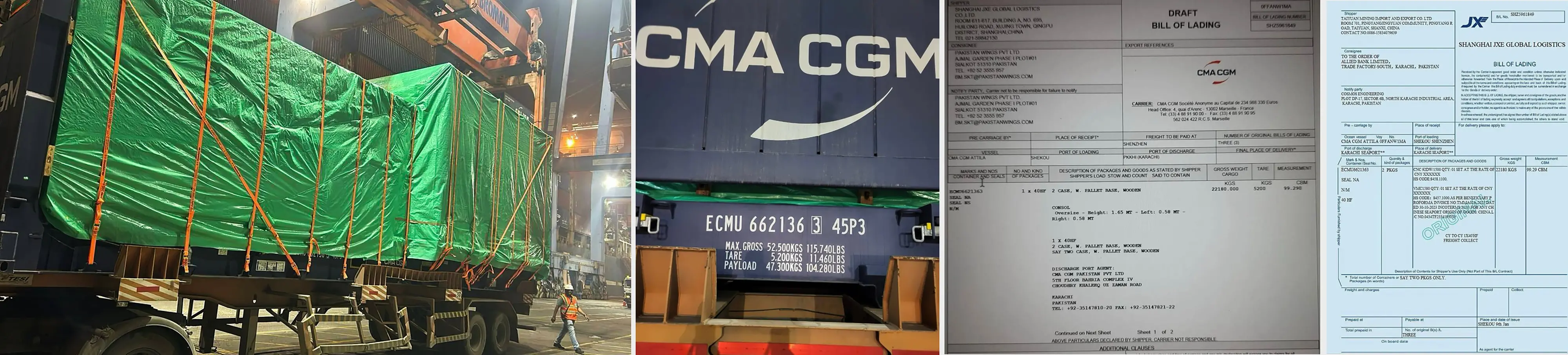
New Delhi: A new report by the Financial Action Task Force (FATF) has revealed a concerning link between Pakistan’s ballistic missile programme and a 2020 cargo seizure by Indian authorities, intensifying international scrutiny over state-sponsored proliferation and terror financing.
According to the FATF case study, the shipment—intercepted by Indian customs at Kandla port in February 2020—was falsely declared and bound for Port Qasim in Karachi. The dual-use goods, including an autoclave used in high-energy missile components, were found to be linked to Pakistan’s National Development Complex (NDC), which plays a key role in the country's long-range missile development.
The vessel, Da Cui Yun, flying a Hong Kong flag, had departed from Jiangyin, China, and was under suspicion following intelligence alerts. Indian authorities seized a large pipe-like structure (35–40 feet long), later confirmed to be potentially used in ballistic missile fabrication. Officials from the Defence Research and Development Organisation (DRDO) were involved in the investigation.
The FATF noted that the Bill of Lading provided direct evidence connecting the consignment to the NDC. The revelation comes at a time when the watchdog is stepping up efforts against proliferation financing (PF) and has condemned terrorist financing in light of the April 22 Pahalgam terror attack in Kashmir.
“This, and other recent attacks, could not occur without money and the means to move funds between terrorist supporters,” the FATF said.
Sources cited by PTI suggest India plans to include this evidence in a dossier aimed at pressing for Pakistan’s re-listing on the FATF grey list. Key forums where this may be raised include the Asia Pacific Group meeting in August and the FATF plenary in October.
The FATF report also highlights broader risks associated with dual-use technology and weapons of mass destruction (WMD), warning that global financial systems remain vulnerable to exploitation by both state and non-state actors.
“The proliferation of WMD and related financing represents a significant threat to global security,” the FATF concluded, adding that failing to implement controls could have grave consequences.
India’s move, if successful, could reinvigorate calls for monitoring or sanctions against Islamabad, with FATF potentially acknowledging state-level complicity in proliferation activities.