Farewell to Penny: US Mint ends 230-year legacy of 1-cent coin
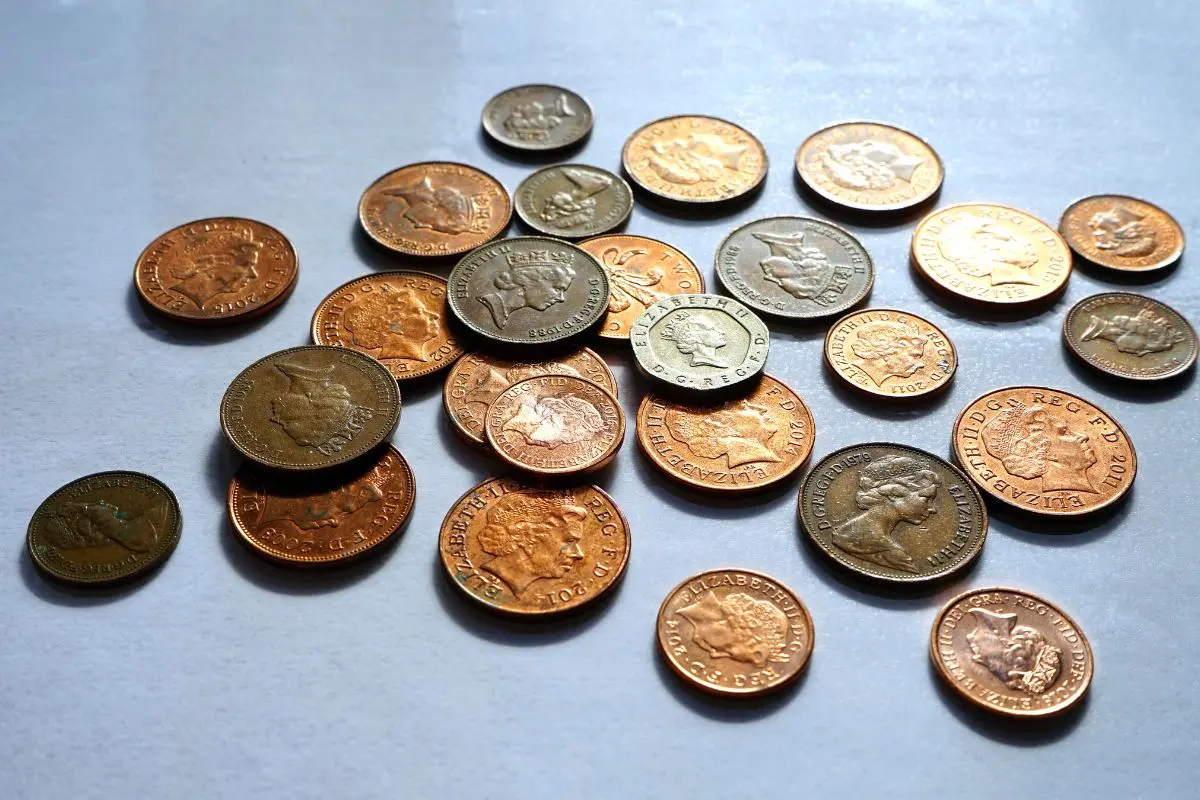
Philadelphia: After more than 230 years in circulation, the US Mint has officially stopped producing pennies, bringing an end to the tiny coin that has long symbolised thrift and the famous “penny for your thoughts”.
When first introduced in 1793, a single penny could buy a biscuit, a candle or a sweet treat. Today, pennies are mostly left forgotten in jars or drawers, and each one now costs almost four cents to produce—making the coin increasingly impractical.
During a ceremony at the Philadelphia Mint, Treasurer Brandon Beach struck the final penny and highlighted the savings this decision would bring, estimating a $56 million reduction in taxpayer costs. The last coins were displayed for the press and will eventually be auctioned to collectors.
Although no new pennies will be minted, the billions still in circulation remain legal tender. The last coin discontinued in the US was the half-cent, which ceased production in 1857.
Mint workers marked the final pressing with quiet reverence before breaking into applause, signalling both nostalgia and relief. “It’s an emotional day,” said Clayton Crotty, a 15-year veteran of the mint, “but it’s not a surprise”.
The phaseout was ordered by former President Donald Trump, citing the rising cost of production and the coin’s diminishing value. “For too long, the United States has minted pennies that cost more than their worth,” Trump wrote earlier this year.
Despite practical reasons for its removal, the penny holds sentimental value for many Americans, cherished as a lucky token or a collectible. Retailers, facing dwindling supplies, had to improvise—some rounding down prices, others asking for exact change and a few offering small prizes for pennies.
Industry voices, like Jeff Lenard of the National Association of Convenience Stores, have long supported ending the penny, though many lament the abrupt approach. Advocates highlight benefits including faster transactions, cost savings and alignment with countries such as Canada, which phased out the penny in 2012.
Collectors and historians emphasise the coin’s cultural and historical importance. Frank Holt, emeritus professor at the University of Houston, notes, “Pennies record our politics, art, religion, and the people we choose to honour. They are a tiny reflection of our national identity.”
As the penny disappears from production, it leaves behind a tangible piece of American history, marking the close of an era while prompting reflection on both its monetary and symbolic value.
AP