'Extremely rare' bat virus kills man in Australia
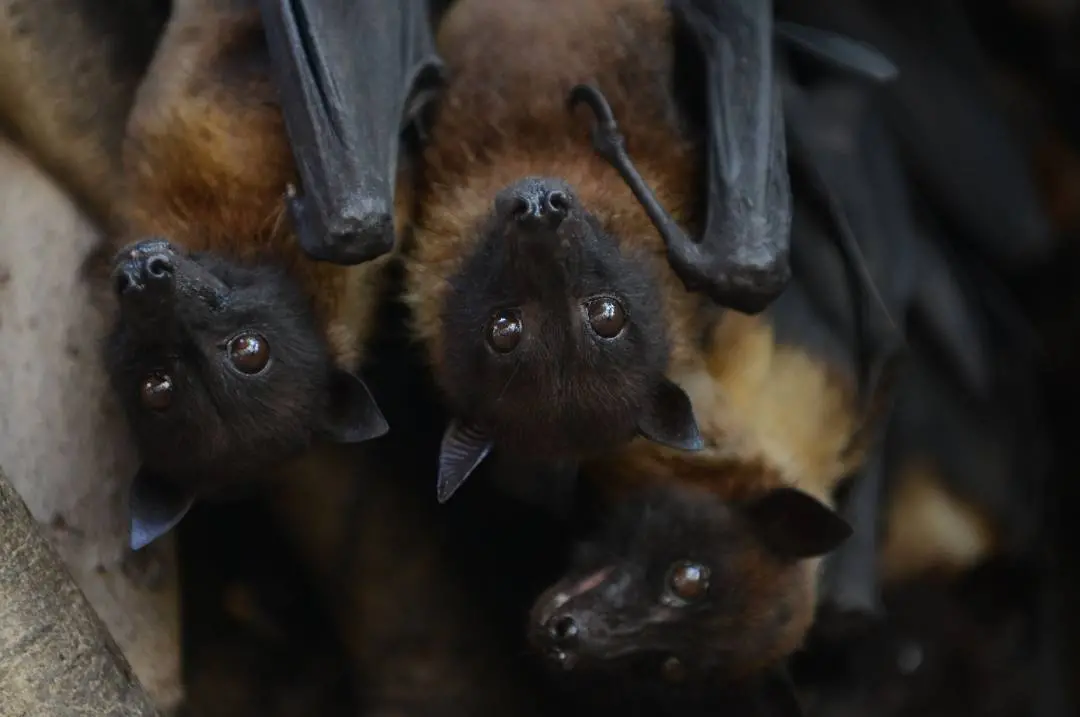
Sydney: An Australian man in his 50s has tragically died from an "extremely rare" rabies-like infection, Australian bat lyssavirus (ABL), contracted from a bat bite several months ago. Health officials in New South Wales (NSW) confirmed the fatality on Thursday, expressing their sincere condolences to the man's family and friends.
The unidentified man, from northern NSW, had been in critical condition in the hospital this week. While he received treatment following the initial bat bite, NSW Health underscored the severity of the virus, stating, "While it is extremely rare to see a case of Australian bat lyssavirus, there is no effective treatment for it" once symptoms manifest. Investigations are ongoing to determine if other factors contributed to his illness.
Australian bat lyssavirus, a close relative to the rabies virus (which is not present in Australia), is transmitted when infected bat saliva enters the human body via a bite or scratch. Symptoms can take anywhere from days to years to appear, initially presenting as flu-like signs such as headache, fever, and fatigue. However, the victim's condition then rapidly deteriorates, leading to paralysis, delirium, convulsions, and ultimately, death.
This latest case marks only the fourth human infection by ABL since it was first identified in 1996, with all previous three cases also proving fatal. The virus was first detected by CSIRO scientists in May 1996 in a flying fox, leading to the illness and subsequent death of a bat handler in Queensland later that year. Two more fatalities occurred in Queensland in 1998 and 2013. ABL has been found in both flying fox species and insect-eating microbats across Australia.
Health authorities are reiterating urgent warnings to the public to avoid all contact with bats. "People should avoid touching or handling bats, as any bat in Australia could carry lyssavirus," NSW Health advised. Only trained, protected, and vaccinated wildlife handlers should interact with the flying mammals.
In the event of a bat bite or scratch, immediate action is crucial: "You need to wash the wound thoroughly for 15 minutes right away with soap and water and apply an antiseptic with anti-virus action," NSW Health stated. Following this, patients require urgent treatment with rabies immunoglobulin and rabies vaccine.
"Australian bat lyssavirus is very closely related to rabies and will cause death in susceptible people if they become infected and are not treated quickly," emphasised James Gilkerson, an infectious diseases expert at the University of Melbourne. The virus can also be transmitted from infected bats to other bats and other mammals.
With inputs from AFP