Explained: What is the deal that got Julian Assange his freedom?
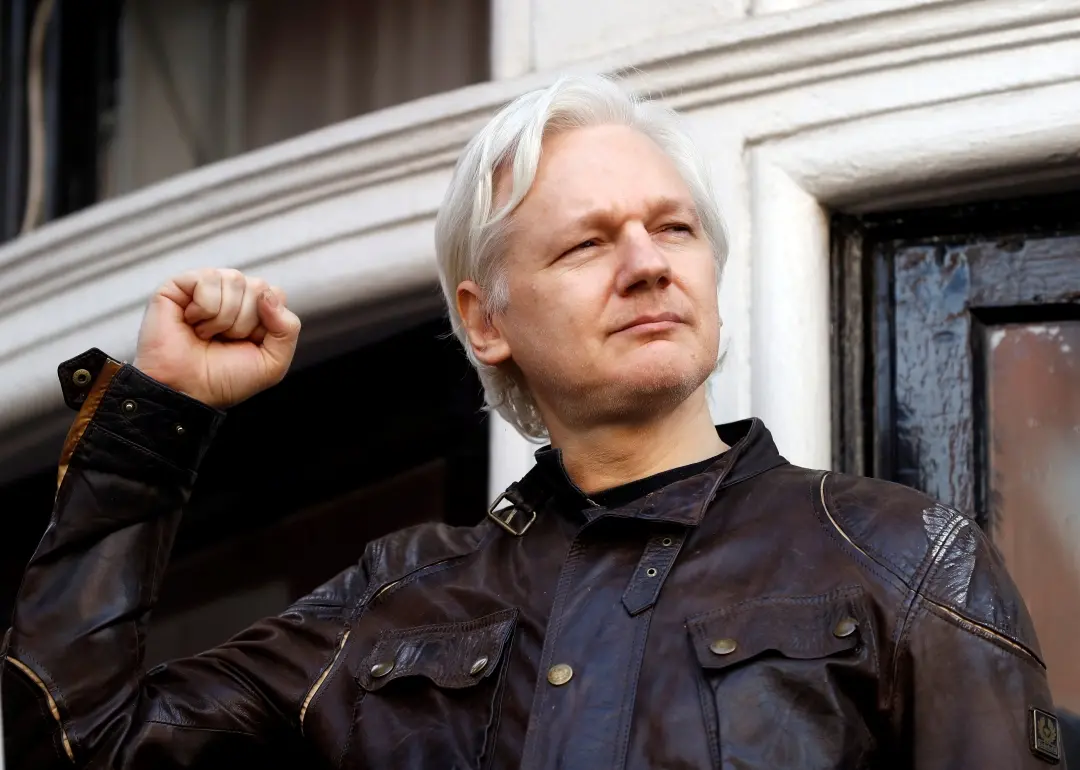
Julian Assange, the founder of WikiLeaks, has struck a plea deal with the US Justice Department that allows him to admit guilt to a charge under the Espionage Act. This agreement marks a turning point in his legal saga, which has seen him evade extradition and face accusations related to the publication of classified government documents.
What are the terms of the deal?
Under the terms of the deal, Assange will plead guilty to conspiring to unlawfully obtain and disseminate classified national defense information. This charge, which carries serious implications under US law, involves his collaboration with Chelsea Manning, a former US Army intelligence analyst. Manning had leaked diplomatic cables and military files to WikiLeaks in 2010, leading to accusations that Assange's actions compromised national security.
What does Assange's guilty plea mean?
Assange's guilty plea will likely result in a sentence of 62 months in prison, which accounts for the time he has already spent in detention. The court proceedings will take place in the Northern Mariana Islands, chosen due to Assange's reluctance to appear in the continental United States and its proximity to Australia, his home country.
What is the significance of the deal?
This resolution comes amidst international scrutiny and debate over Assange's status as a publisher versus a threat to national security. His supporters argue he acted in the public interest by exposing government misconduct, while critics contend his actions endangered lives and undermined diplomatic efforts.
The plea deal also reflects a shift in US policy on prosecuting individuals involved in leaking classified information. It underscores the government's stance on safeguarding sensitive data while navigating the delicate balance between transparency and security in the digital age.
Assange's legal team and supporters have expressed mixed reactions to the deal, with some seeing it as a necessary compromise to secure his release and others viewing it as a betrayal of journalistic freedoms. The outcome of this case is expected to have far-reaching implications for future prosecutions involving whistleblowers and journalists worldwide.
With agency inputs