EU accuses TikTok of breaching digital rules with ‘addictive design’
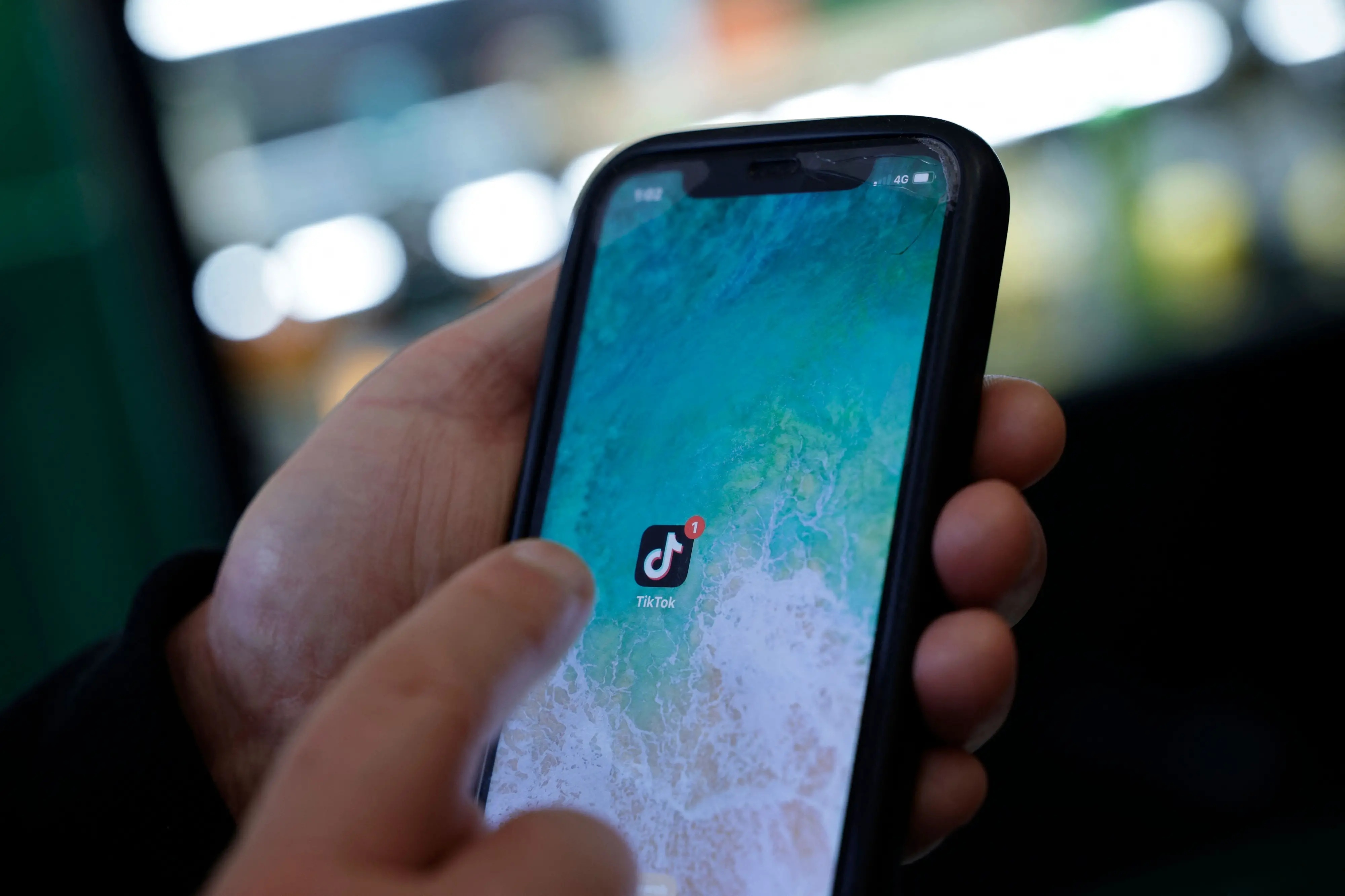
London: The European Union has accused TikTok of violating its digital regulations by employing “addictive design” features such as autoplay and infinite scroll, in preliminary findings that challenge the core of the video‑sharing platform’s business model.
The platform, which rose to prominence through its short, addictive and often light‑hearted videos, has often faced criticism, with allegations spanning from questionable data practices to enabling electoral interference.
The European Commission, which enforces the bloc’s Digital Services Act (DSA), said its investigation concluded that TikTok had failed to adequately assess the risks posed by its features to users’ physical and mental health, particularly children and “vulnerable adults”. The Commission believes the company must alter the “basic design” of its service to comply with the law, which requires social media platforms to protect users or face heavy fines.
TikTok rejected the allegations, describing them as “categorically false and entirely meritless”. In a statement, the company said it would challenge the findings “through every means available”. The platform now has the opportunity to respond before regulators decide whether to issue a formal non‑compliance ruling, which could result in penalties of up to six per cent of its annual global revenue.
Also Read | ‘Comply with Indian laws or leave the country,’ SC warns WhatsApp, Meta over user data sharing
Henna Virkkunen, the Commission’s executive vice‑president for tech sovereignty, security and democracy, said, “Social media addiction can have detrimental effects on the developing minds of children and teens. The Digital Services Act makes platforms responsible for the effects they can have on their users. In Europe, we enforce our legislation to protect our children and our citizens online.”
According to the Commission, TikTok encourages compulsive use by constantly rewarding users with fresh content, undermining self‑control. Regulators said the company ignores warning signs of excessive use, such as minors spending long hours on the app at night or repeatedly opening it. Existing time‑management tools were criticised as easy to bypass and offering only “limited friction”, while parental controls were said to demand “additional time and skills” from parents.
The Commission has proposed changes including disabling infinite scroll, introducing more effective screen‑time breaks, particularly overnight, and modifying TikTok’s personalised recommender system, which delivers an endless stream of short videos tailored to user preferences.
TikTok insists it already provides safeguards, citing features such as custom screen‑time limits and sleep reminders, which it says allow users to make “intentional decisions” about their time on the app.
Also Read | France, UK mull social media ban for children as scientists disagree
Albania lifts year-long ban on TikTok
Notably, the Albanian government announced on Thursday that it has lifted its near year‑long ban on TikTok, citing the introduction of “new safety mechanisms” by the platform.
TikTok had been blocked in Albania since March 2025 after a teenager fatally stabbed a classmate during a fight reportedly triggered by a dispute on social media.
The agency described the move as a shift “from restrictive measures to a phase of active monitoring, interinstitutional cooperation, and shared responsibility with digital platforms.” However, it remains unclear how the government will be involved in operating the filters or how they will function in practice.
Despite the restrictions, many Albanians continued to access TikTok using VPNs.
Global pressure on social media giants to curb addiction
The preliminary charges from Brussels add to mounting global pressure on social media platforms over youth addiction. Australia has banned social media use for under‑16s, while governments in Spain, France and Denmark are considering similar restrictions. In the United States, TikTok recently settled a landmark lawsuit on social media addiction, while Meta’s Instagram and Google’s YouTube continue to face claims that their platforms deliberately addict and harm children.
(With agency inputs)