Is US limiting Ukraine's battlefield communications? Musk's Starshield remarks spark questions
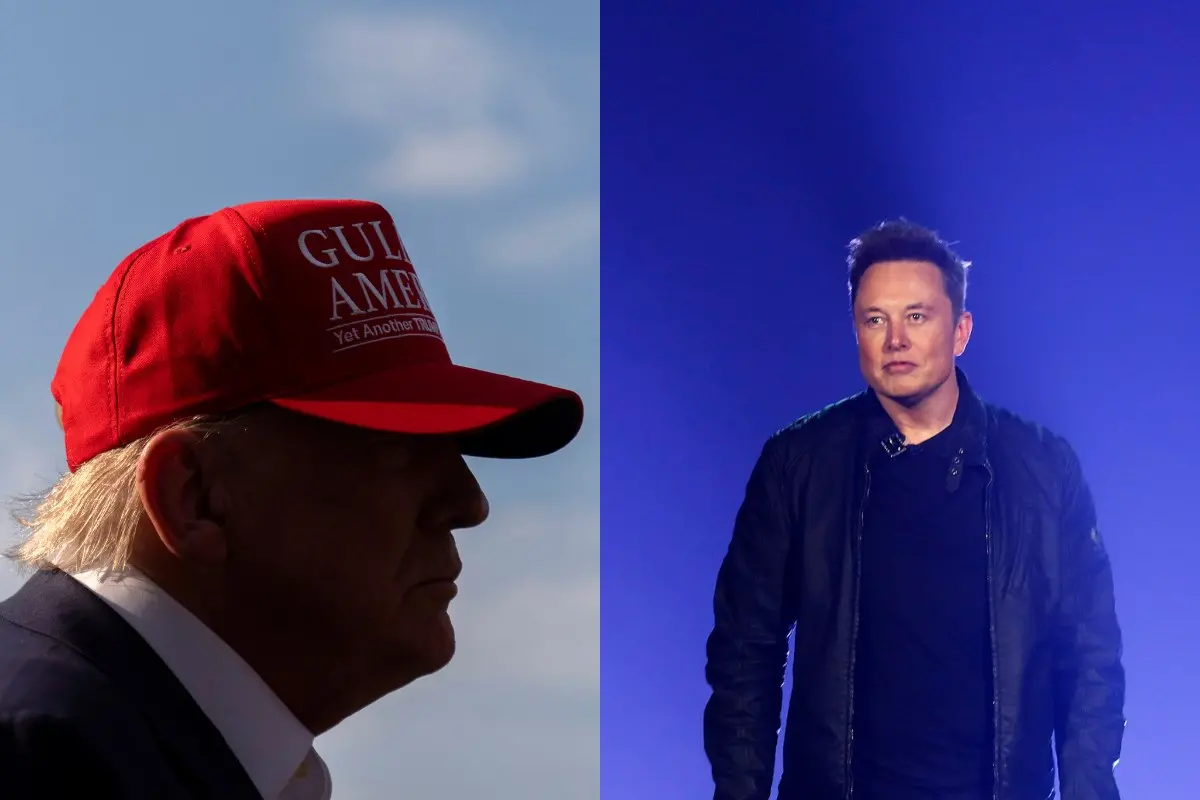
Washington: Elon Musk has distanced his company SpaceX from reported restrictions on Ukraine's Starshield satellite communications system, saying the US government, military and ultimately President Donald Trump are responsible for deciding any limits on its speed or usage.
The clarification comes amid growing concerns in Kyiv over disruptions to satellite connectivity used in military operations against Russia, with Ukrainian officials suggesting that Washington may be responsible for restrictions affecting battlefield communications.
Also read | Power cuts in Ukraine, digital outages in Russia: How the war is hitting essential services
"Starshield systems are owned and controlled by the US government. Any limits on speed or usage are decided by the US military and ultimately POTUS," Musk wrote on X on Wednesday.
His remarks followed a post by Ukraine's former defence minister Mykhailo Fedorov, who highlighted the need to remove speed restrictions on Starshield to support the country's military operations.
Fedorov said that "Starlink connectivity at speeds of up to 160 km/h is being restored," but stressed that "removing Starshield's speed limit entirely is now critical for Ukraine's defence."
He also thanked Musk for his "continued support."
Musk sought to distinguish Starshield, a military-focused satellite communications network controlled by the US government, from Starlink, the civilian satellite internet service also developed by SpaceX.
Also read | Trump announces Russia-Ukraine energy ceasefire, but Kyiv reports fresh strikes
Ukraine uses both systems, although Starlink is subject to restrictions preventing its use in offensive military operations.
Ukrainian defence officials have indicated that Washington could be responsible for reduced connectivity speeds on certain terminals used to coordinate attacks on Russian-occupied territory and operate interceptor drones.
The controversy comes amid broader tensions between Washington and Kyiv over military assistance and intelligence sharing.
Ukraine has accused the United States of failing to provide timely warnings about incoming Russian missile attacks, alleging that the lack of advance intelligence has left civilians exposed.
The concerns intensified after ballistic missiles struck Kyiv on two consecutive nights before air raid sirens could alert residents to seek shelter.
A senior Ukrainian official confirmed that Washington had recently threatened to suspend intelligence sharing on Russian missile launches, information that Ukraine relies on to detect and counter incoming attacks.
However, Trump denied the allegation on Tuesday.
The reported restrictions have also triggered criticism in Washington, with Democratic lawmakers accusing the Trump administration of undermining Ukraine's ability to defend itself against Russian attacks.
"Trump's making a choice -- and it directly aids Putin's slaughter of Ukrainian civilians," Democrats on the House Foreign Affairs Committee said in a post on X.
They described the reported restrictions as "unconscionable" at a time when Ukraine continues to face extensive Russian drone and missile strikes.
Senator Jeanne Shaheen, the senior Democrat on the Senate Foreign Relations Committee, demanded an immediate reversal of the restrictions.
Shaheen said the "restrictions on Ukraine's access to Starshield must stop immediately," warning that "lives are at stake."
She also pointed to the Pentagon's obligation to inform lawmakers about any changes to intelligence cooperation with Kyiv.
According to Shaheen, the defence department must notify "Congress if it pauses or downgrades intelligence sharing with Ukraine."
She called on Defence Secretary Pete Hegseth to immediately inform Congress if any such changes had been implemented.
Concerns over the reported restrictions have also emerged within the Republican Party.
Republican Senator Tom Tillis questioned whether Washington and American technology companies were maintaining a clear commitment to Ukraine's sovereignty.
"Supporting Ukrainian sovereignty -- or at the very least, allowing for it -- should not be a gray area for the US government or for American corporations," Tillis wrote on X.