Sri Lanka votes today amid economic recovery and political change
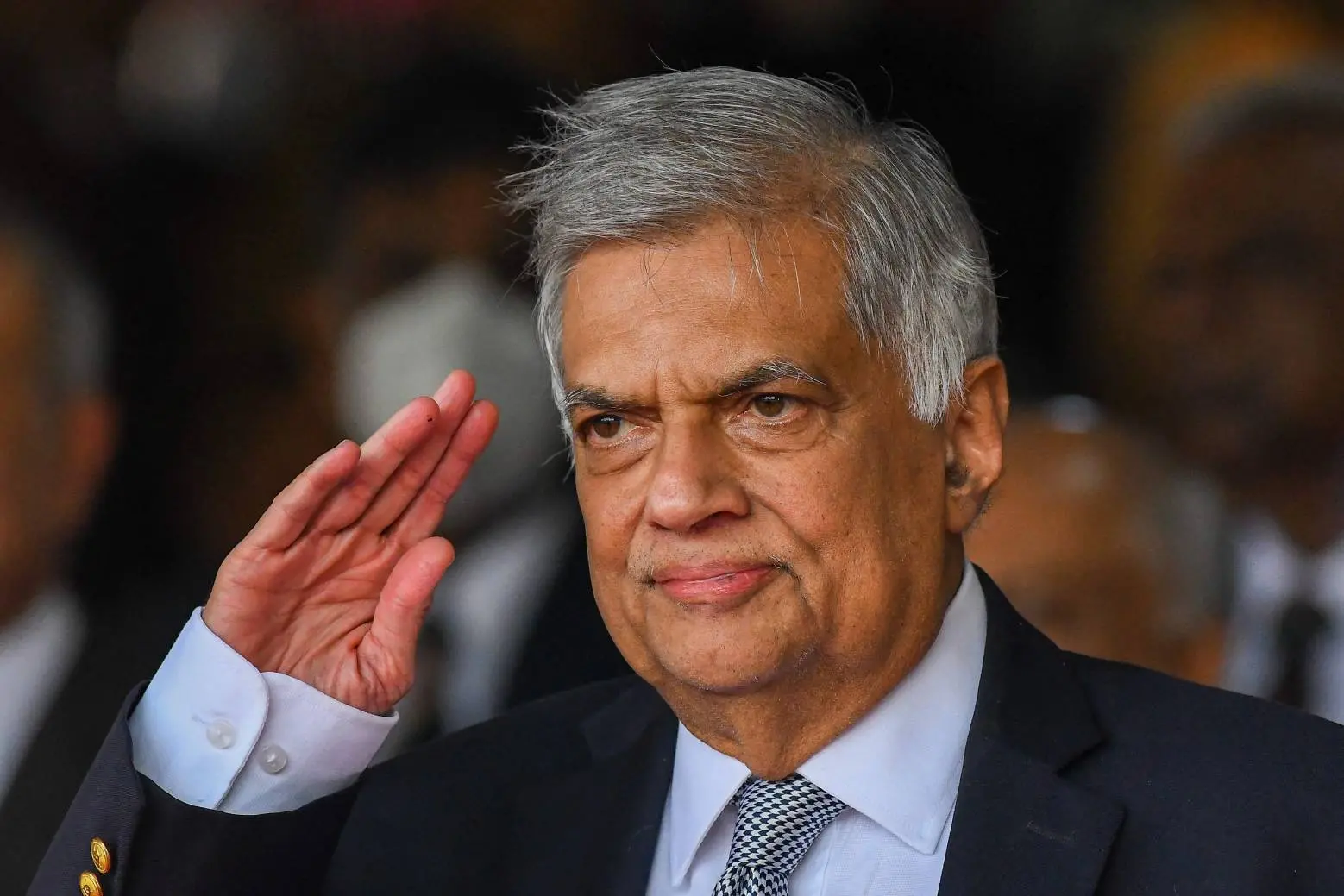
Colombo (Sri Lanka): As Sri Lanka continues its recovery from the devastating economic crisis of 2022, citizens will head to the polls today for the first elections since the turmoil. The economy remains a central focus as voters contend with the effects of strict austerity measures.
The crisis, characterized by widespread food and fuel shortages, forced former President Gotabaya Rajapaksa to flee the country in 2022. His economic policies, compounded by the COVID-19 pandemic, are believed to have precipitated the worst crisis in the island nation’s history.
Incumbent President Ranil Wickremesinghe, who took office as interim president in July 2022 following Rajapaksa's exit, is seeking re-election. He faces challengers Anura Kumara Dissanayake from the Janatha Vimukthi Peramuna (JVP) party and Sajith Premadasa from the Samagi Jana Balawegaya (SJB) party.
Voting will occur at 13,134 polling stations across Sri Lanka, beginning at 7 am and closing at 4 pm (local time). Vote counting is expected to start at 9:30 pm (local time), as reported by Al Jazeera.
A total of 38 candidates are vying for the presidency. The initial candidate list included 39, but independent candidate Idroos Mohamed Ilyas passed away in August.
Notably, although Wickremesinghe is associated with the centre-right United National Party (UNP), he is running as an independent after the party selected a different candidate. His campaign slogan, "Puluwan Sri Lanka" or "Sri Lanka Can," emphasizes his role in steering the country through economic recovery.
While some economic indicators have improved—such as a significant drop in inflation and positive GDP growth—Wickremesinghe faces criticism from opponents who point out that he is part of the political elite blamed for the 2022 crisis. He governs with the backing of the Sri Lanka Podujana Peramuna (SLPP), linked to the Rajapaksa family. Critics accuse Wickremesinghe of imposing cuts to social welfare programs, placing the burden of recovery on vulnerable populations.
Dissanayake, from the JVP, has gained popularity following the crisis. The 55-year-old was an active participant in the protest movement and has criticized a USD 2.9 billion bailout deal with the International Monetary Fund (IMF), arguing it has increased living costs for Sri Lankans. While the JVP remains a minor party in parliament, Dissanayake's focus on combating corruption resonates with many voters.
Sajith Premadasa, the leader of the opposition and a former UNP member, founded the SJB after leaving the UNP. The son of former President Ranasinghe Premadasa, he previously ran against Gotabaya Rajapaksa in the 2019 presidential election. Recently, Premadasa has sought to win over Tamil voters, who make up 11% of the Buddhist-majority nation. The Illankai Tamil Arasu Kadchi (ITAK), representing Tamils from the north and east, has supported him.
Despite the Rajapaksa family's diminished support following the 2022 crisis, Namal Rajapaksa, the former president's eldest son, is contesting the elections as the youngest candidate at 38. He previously served as minister of youth and sports under his uncle's presidency.
Remarkably, Sri Lanka, which once had the world’s first female prime minister—Sirimavo Bandaranaike in 1960—will not feature any female candidates on the ballot this election.
Polls indicate Dissanayake is the frontrunner, with the Sri Lanka Opinion Tracker Survey showing him at 48%, followed by Premadasa at 25% and Wickremesinghe at 20%. Anura Kumara Dissanayake leads in another poll by Numbers.Ik with 40%, followed by Premadasa at 29% and Wickremesinghe at 25%. Economic issues remain the top concern for Sri Lankan voters.
In 2022, Sri Lanka faced an unprecedented economic crisis, with inflation soaring to 70% and the currency plunging by 45%. Prolonged shortages led to public unrest, resulting in a significant anti-government uprising that forced the Rajapaksa family to flee.| ANI