The Meme President: How Donald Trump uses internet culture to stay dominant
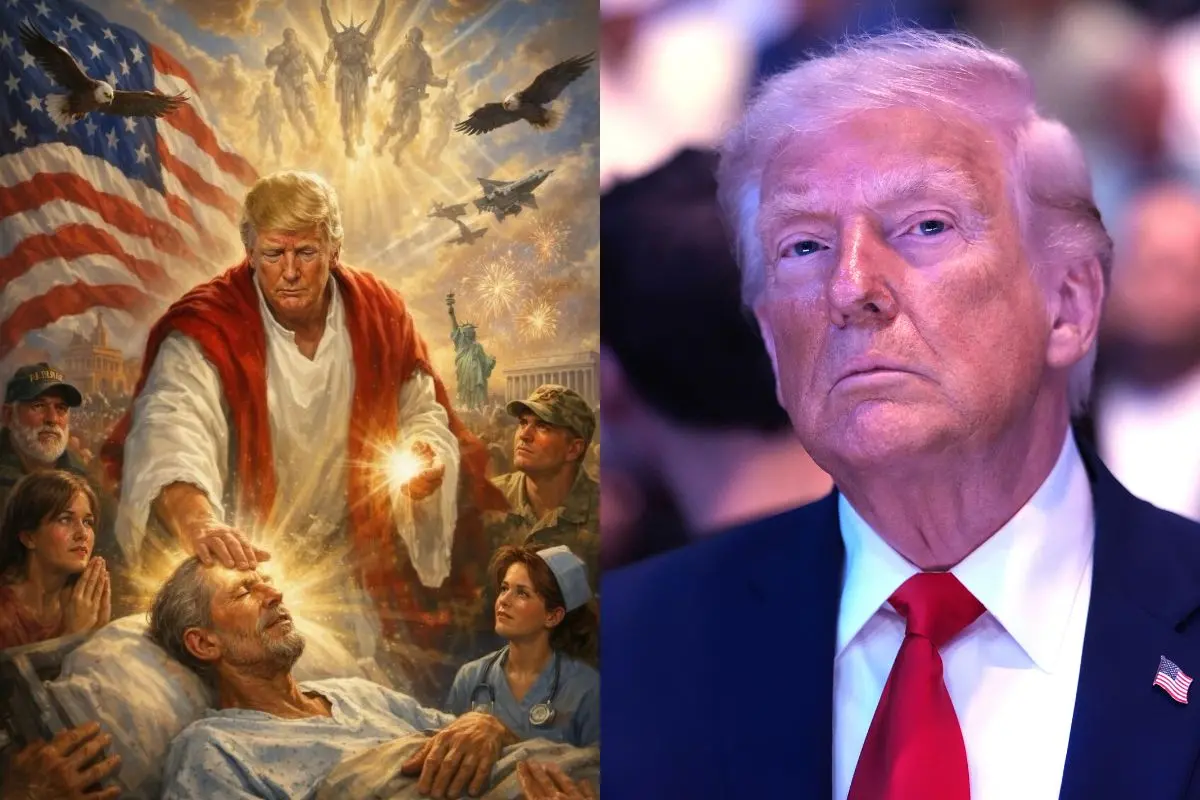
Donald Trump has changed how the American presidency is seen — by turning himself into a viral internet figure. Instead of relying only on speeches or policies, he mixes politics with humour and eye-catching online content. This helps him connect with supporters in a way many traditional politicians cannot. His approach, often called a "meme-first" strategy, focuses more on striking visuals than detailed policy debates.
From divine images to Darth Vader
Recently, Trump shared an AI-generated image of himself as Jesus, which sparked controversy. Though that post was later deleted, he soon followed it up with another image showing himself and Jesus in a close embrace in front of the American flag. These are not one-off posts. They are part of a broader trend where he is shown as a powerful or god-like figure — an "exalted hero" meant to energise his supporters.
Many such images, often called "fanfakes", place him in well-known roles. In some, he appears as the Pope. In others, he is shown as Rocky Balboa or even a Sith Lord holding a red lightsaber. The idea is simple: make him look larger than life.
July 4th, 1776 and November 5th, 2024. The two most important dates in American history! pic.twitter.com/8anqoTYLUi
— Nick Adams (@NickAdamsinUSA) July 3, 2025
Critics say these images are silly or in poor taste. But some experts believe they are carefully planned. By repeatedly showing himself as strong or heroic — whether as a fighter pilot or a Founding Father — Trump shapes how people see him. As one view suggests, he "worms" his way into public thinking. Over time, these images can influence opinions without him having to say much directly.
Selling conflict like a video game
This style is not limited to domestic politics. It also shows up in how global issues are presented. During tensions with Iran, the administration used clips from films like Iron Man and Gladiator, along with footage from the video game Call of Duty, to communicate messages.
Critics call this the "gamification of war". Their concern is clear. Real conflicts, with real human costs, begin to look like entertainment. When dramatic "sizzle reels" of strikes are shared, the suffering behind them is pushed out of view.
Trump’s language follows a similar pattern. His short, sharp phrases — like "Sad!" or "Fake news" — are easy to remember and repeat. People pick them up quickly. They spread fast.
This mix of humour, shock value and simple messaging keeps audiences engaged. It also keeps Trump constantly in the spotlight — as what many now call the "Meme President".