Is Trump losing support at home over the Iran war? Polls suggest trouble
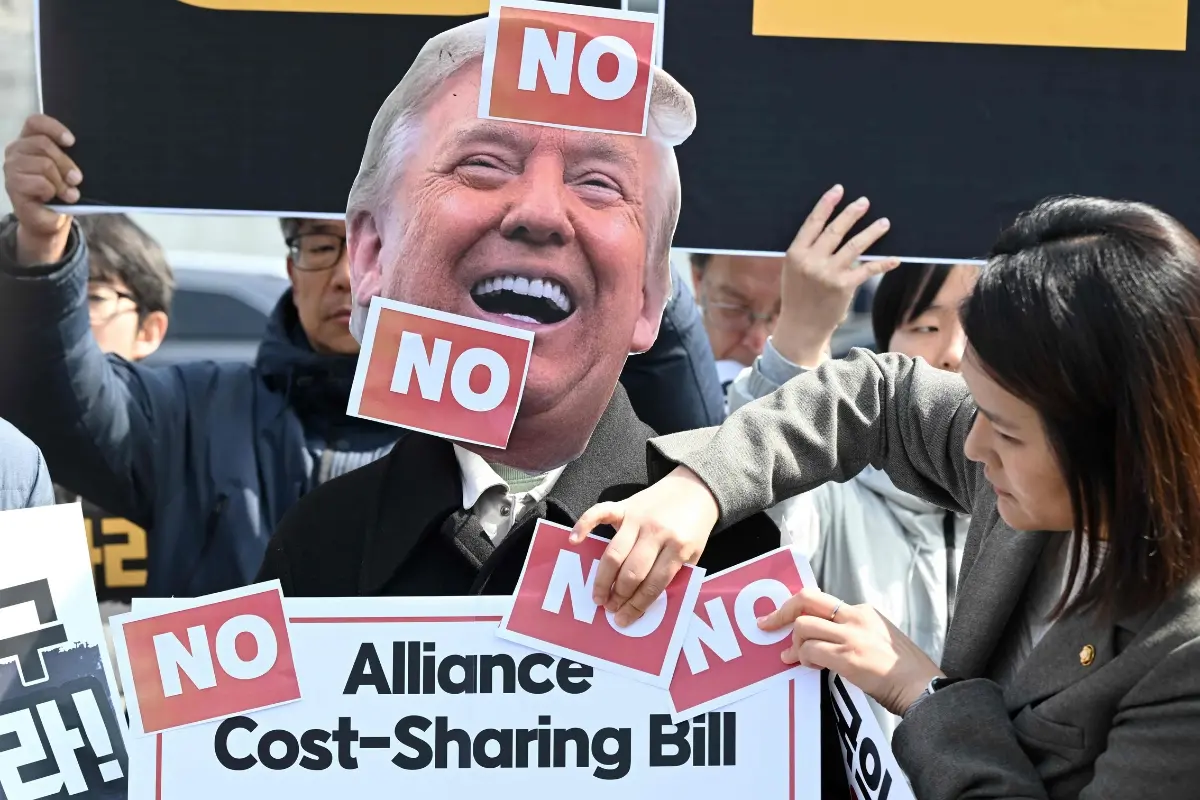
Washington DC: No US president in recent history has entered a major conflict with less public backing than Donald Trump has for the war with Iran, according to analysts and opinion polls in the United States.
While wars often begin with strong patriotic support, several surveys indicate that a majority of Americans currently oppose the conflict, making it politically challenging for the administration to sustain long-term military action.
US President Donald Trump is facing growing domestic pressure as the war with Iran continues, with opinion polls showing limited public backing and rising economic concerns in the United States.
Weak public support from the start
Unlike many past US military interventions, the conflict began without strong domestic approval. Polls conducted before and after the strikes indicate that a majority of Americans are sceptical about the war. Analysts note that even controversial operations, such as the 2011 NATO intervention in Libya launched under Barack Obama, initially had far higher public support.
Experts say wars often begin with a surge of patriotic backing, but support usually declines over time. In this case, however, the conflict started with divided public opinion, making it politically harder for the administration to maintain momentum.
Debate over the war’s purpose
Another factor shaping domestic reaction is uncertainty about the war’s objectives. Political scientist Bruce Jentleson has argued that Americans are more likely to support wars aimed at stopping aggression than those intended to bring political change in another country.
Critics say the campaign against Iran appears aimed at weakening or replacing the country’s leadership, a strategy commonly described as “regime change”. The administration initially framed its military build-up in the Persian Gulf as a negotiating tactic related to Iran’s nuclear programme, but the explanation shifted after strikes began.
US Secretary of State Marco Rubio later argued the attacks were a form of pre-emptive self-defence, claiming Washington acted partly because it expected Israel to launch its own strike and trigger retaliation against American forces in the region.
Shifting public attitudes
Domestic political debate has also been influenced by changing American views on the Middle East. Public opinion toward Israel has shifted in recent years, particularly during the Gaza war, with some surveys showing sympathy among Americans increasingly divided between Israelis and Palestinians.
Prominent commentators including Tucker Carlson and podcast host Joe Rogan have criticised the war, arguing that some voters who supported Trump’s “America First” agenda are uncomfortable with another major Middle East conflict.
Economic pressure adds to concerns
The conflict has also raised economic worries inside the United States. Fighting around the Strait of Hormuz, one of the world’s most important energy routes, has disrupted global shipping and oil markets. Roughly one-fifth of the world’s oil supply normally passes through the narrow waterway between Iran and Oman.
Any prolonged disruption could lead to higher global fuel prices and rising living costs. Analysts say economic pressures often influence how Americans judge military conflicts, particularly when everyday expenses such as fuel and food increase.
Political risks ahead
The domestic political impact could become more significant as the next US midterm elections approach. While most Republican lawmakers have avoided directly criticising the president over the conflict, political analysts say continued economic disruption or military escalation could deepen divisions in Washington.
For the Trump administration, the challenge will be balancing military objectives abroad with political realities at home, where public opinion and economic concerns remain key factors shaping support for the war.