Ceasefire extended: Trump postpones Iran strike deadline in last-minute plot twist
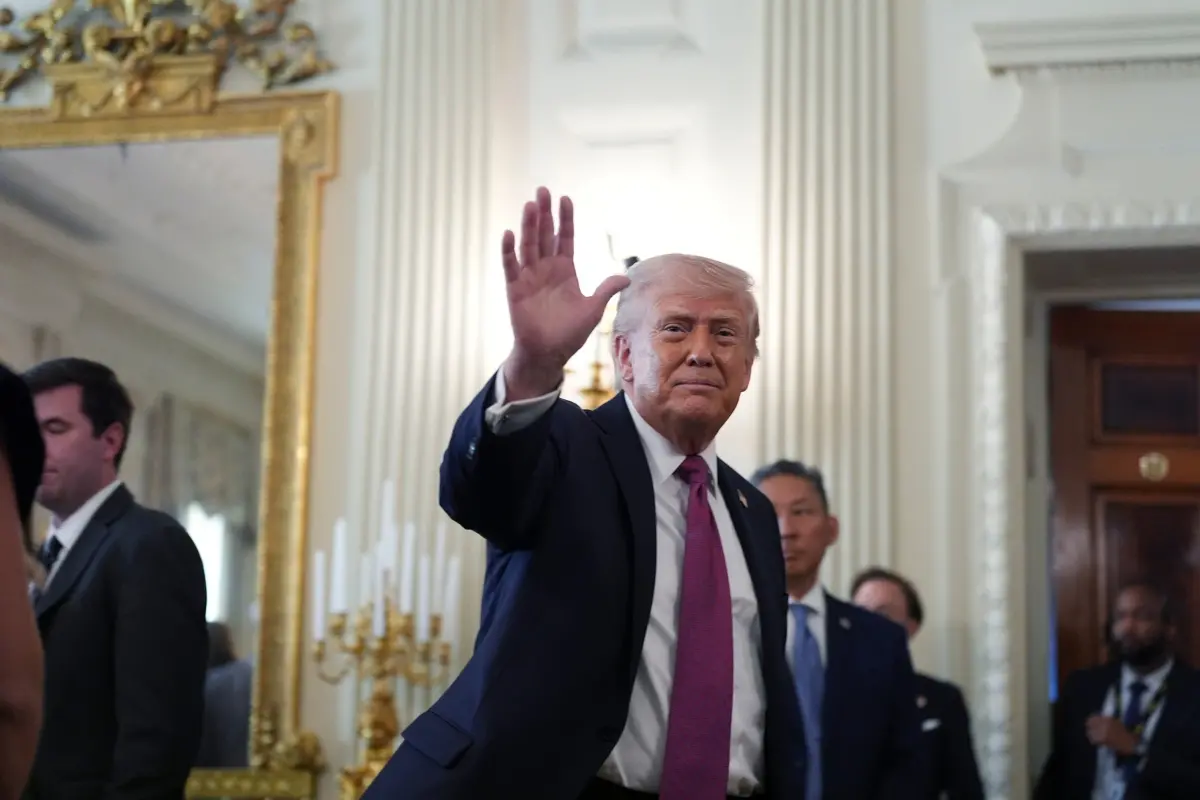
Washington: US President Donald Trump announced on Tuesday (Wednesday IST) that the United States would indefinitely extend its ceasefire with Iran, a decision made just one day prior to the scheduled expiration of the truce.
The move significantly diminished concerns that a lapse in the agreement would lead to an immediate resumption of hostilities, which have already caused substantial turbulence in global energy markets and the international economy. While Pakistan had been prepared to host a second round of peace talks, the White House suspended Vice President JD Vance's scheduled trip to Islamabad after Iranian officials resisted efforts to resume negotiations.
Tehran has not yet officially responded to the extension. Despite the reprieve, both nations have maintained that they are prepared to return to the battlefield in the absence of a formal diplomatic resolution.
Pakistan’s Diplomatic Mediation
The extension follows an intensive diplomatic push by Pakistani leaders, including Prime Minister Shehbaz Sharif. Officials speaking on condition of anonymity noted that Sharif worked rigorously to secure a second round of talks. Following the announcement, Sharif expressed gratitude for Trump’s "gracious acceptance" of the request, stating the extension provides necessary space for ongoing diplomacy.
However, Iranian Foreign Ministry spokesman Esmail Baghaei stated on state television that "no final decision" had been reached regarding further talks, citing "unacceptable actions" by the U.S. This was an apparent reference to the ongoing American naval blockade of Iranian ports, which Trump confirmed would remain in place despite the ceasefire extension.
As the situation remains fluid, special envoy Steve Witkoff and senior adviser Jared Kushner returned to Washington on Tuesday for internal consultations. U.S. officials cautioned that the president could alter his negotiating stance at any time, noting that Trump maintains several tactical options that stop short of resuming kinetic airstrikes.
Rhetoric and Regional Threats
Prior to the extension, both sides utilised aggressive rhetoric. Trump warned that "lots of bombs" would begin falling should the Wednesday deadline pass without an agreement. Conversely, Iran’s chief negotiator claimed Tehran holds "new cards on the battlefield" that have not yet been deployed.
The threat of regional escalation remains high. Gen. Majid Mousavi, a senior commander in the Islamic Revolutionary Guard Corps (IRGC), threatened to dismantle the Middle East's oil industry if hostilities resume. "If southern neighbours allow the enemy to use their facilities to attack Iran, they should say goodbye to oil production in the Middle East region," Mousavi told an Iranian news outlet.
The Battle for the Strait of Hormuz
Control over the Strait of Hormuz, a conduit for 20% of the world's crude oil and natural gas, remains the central point of contention. The U.S. blockade was designed to pressure Tehran into reopening the shipping lane, which has been severely restricted since the conflict began.
Iran’s ambassador to the United Nations, Amir Saeid Iravani, stated Tuesday that Tehran has "received some sign" that the U.S. may be prepared to lift the blockade. Iravani emphasised that ending the naval restriction remains a prerequisite for Iran's return to the table.
The economic stakes are immense; Brent crude was trading near $95 per barrel on Tuesday, reflecting a 30% increase since U.S. and Israeli forces launched strikes on Feb. 28. Trump has demanded that the strait be fully reopened to international shipping without impediment.
Maritime Interdictions Continue
The U.S. military continued its enforcement of the blockade on Tuesday, reporting that forces boarded the M/T Tifani, an oil tanker previously sanctioned for smuggling Iranian crude. The Pentagon stated the boarding occurred "without incident" in international waters, with ship-tracking data placing the vessel in the Indian Ocean.
This follows the seizure of an Iranian container ship on Sunday, an action the Iranian joint military command denounced as "piracy" and a violation of the ceasefire.
Regional Developments and Lebanon
In a parallel conflict, Hezbollah announced it had launched rockets and drones at Israeli forces for the first time since a 10-day truce began last Friday. The group claimed the strikes were a response to Israeli "attacks on civilians" and the destruction of homes in southern Lebanon. Israel responded by striking the group’s rocket launchers and stated its intent to maintain a buffer zone in the region.
Despite the flare-up, historic diplomatic talks between Israel and Lebanon are set to resume in Washington this Thursday. These negotiations, the first direct diplomatic engagements between the two nations in decades, are aimed at disarming Hezbollah and securing a formal peace treaty.
The human cost of the wider conflict continues to mount. Since the war's inception, authorities report that at least 3,375 people have been killed in Iran and more than 2,290 in Lebanon. Casualties also include 23 deaths in Israel, several dozen in Gulf Arab states, 15 Israeli soldiers, and 13 U.S. service members.
With inputs from AP