Did Khamenei die in his office? Reports detail Supreme Leader’s final moments
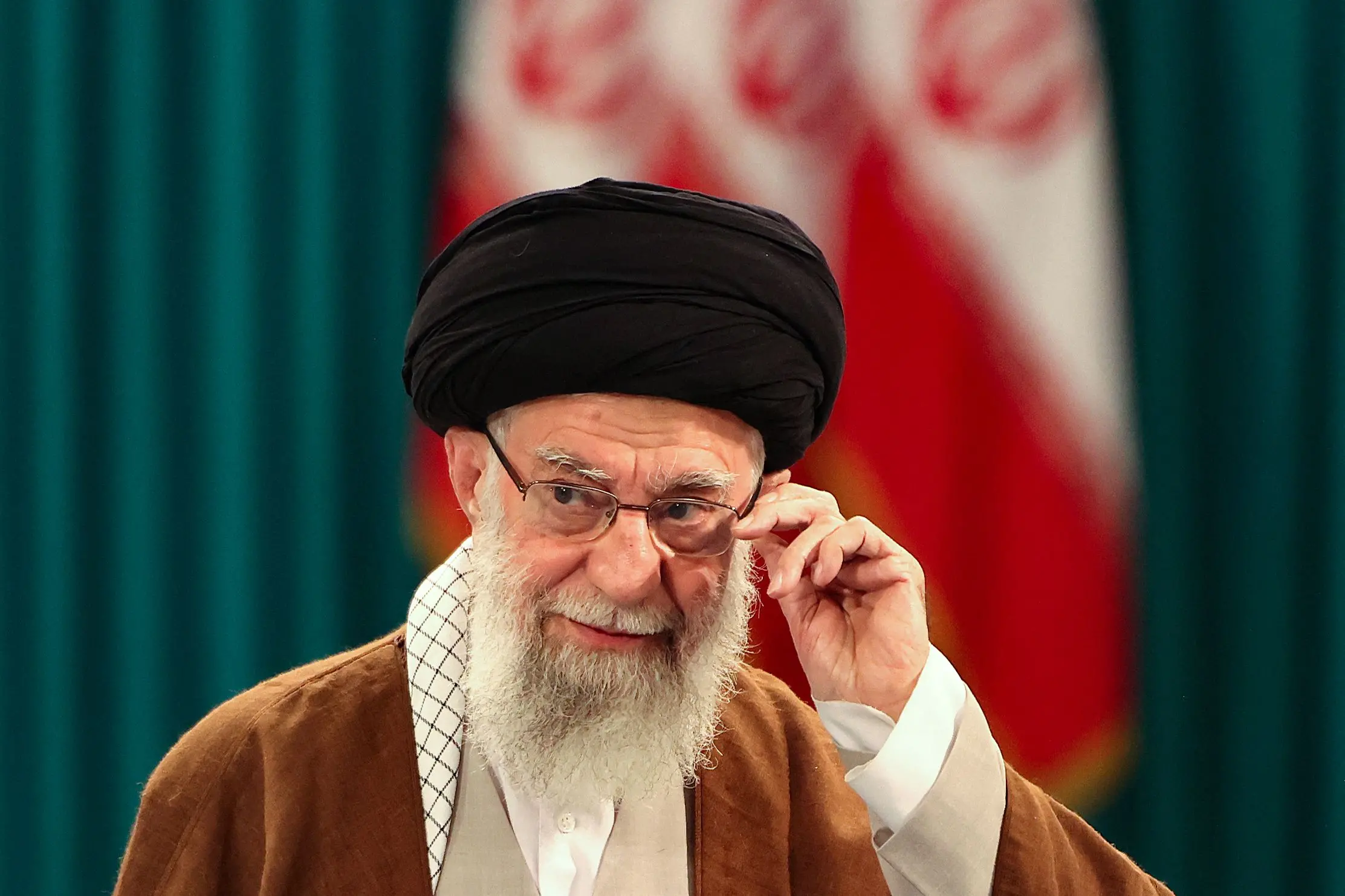
Tehran/Washington: Iran’s Supreme Leader Ayatollah Ali Khamenei was killed inside his office complex in a pre-dawn strike during the joint US-Israel aerial assault, Iranian state media reported on Sunday, offering the first official narrative of his final moments.
Multiple state outlets said the 86-year-old cleric died while working. Fars news agency reported that Khamenei was killed at his office while “performing his assigned duties” in the early hours of Saturday, indicating that the strike directly hit the core of Iran’s leadership compound.
How was Khamenei killed?
Western media outlets reported that U.S. and Israeli forces allegedly timed their initial strikes to coincide with a high-level security meeting, with officials claiming that Ayatollah Ali Khamenei was killed alongside senior figures including Ali Shamkhani and IRGC commander Mohammad Pakpour, though there has been no independent verification of these claims.
Satellite imagery from Airbus showed thick black smoke billowing from the Supreme Leader’s compound in central Tehran after the strikes, with several structures inside the complex appearing heavily damaged or flattened.
Located near Tehran University, the fortified site functions as both the office and residence of the Supreme Leader and serves as a key decision-making hub for Iran’s theocratic leadership.
Also read | Op Epic Fury: Trump's Secretary of War hints at more airstrikes on Iran
State broadcaster IRIB declared, “The Supreme Leader of Iran Has Reached Martyrdom,” while the state-affiliated Mehr news agency said, “This great scholar and mujahid (fighter) sacrificed his life to lift Iran… and he is in the grand presence of martyrs above.” Authorities announced 40 days of national mourning.
The reports followed claims by US President Donald Trump that Khamenei had been killed in the large-scale joint offensive, dubbed Operation Epic Fury, which targeted Iranian military and government facilities. Washington said the initial wave struck Islamic Revolutionary Guard Corps command centres, air-defence systems, missile launch sites and military airfields, while Israel reported eliminating several senior security officials.
Also read | Middle East crisis: Which airlines have cancelled services from Kerala airports?
Iran had earlier refrained from confirming Khamenei’s fate, even as retaliatory missile and drone attacks were launched against Israel and US military bases in Bahrain, Kuwait and Qatar. Regional air defences were activated and commercial flights disrupted amid fears of a widening conflict.
Iranian officials warned of “unforgettable” retaliation, and security leaders signalled that further responses were being prepared. Civilian casualties were reported in several Iranian provinces, including areas near residential buildings and a school, though US officials said they were assessing those claims.
Khamenei, who had final authority over Iran’s armed forces, judiciary and key state institutions, had led the Islamic Republic since 1989. His reported death raises immediate questions over succession and the balance of power between the clerical establishment and the Revolutionary Guard.