Denmark drone incursions highlight growing global security risks
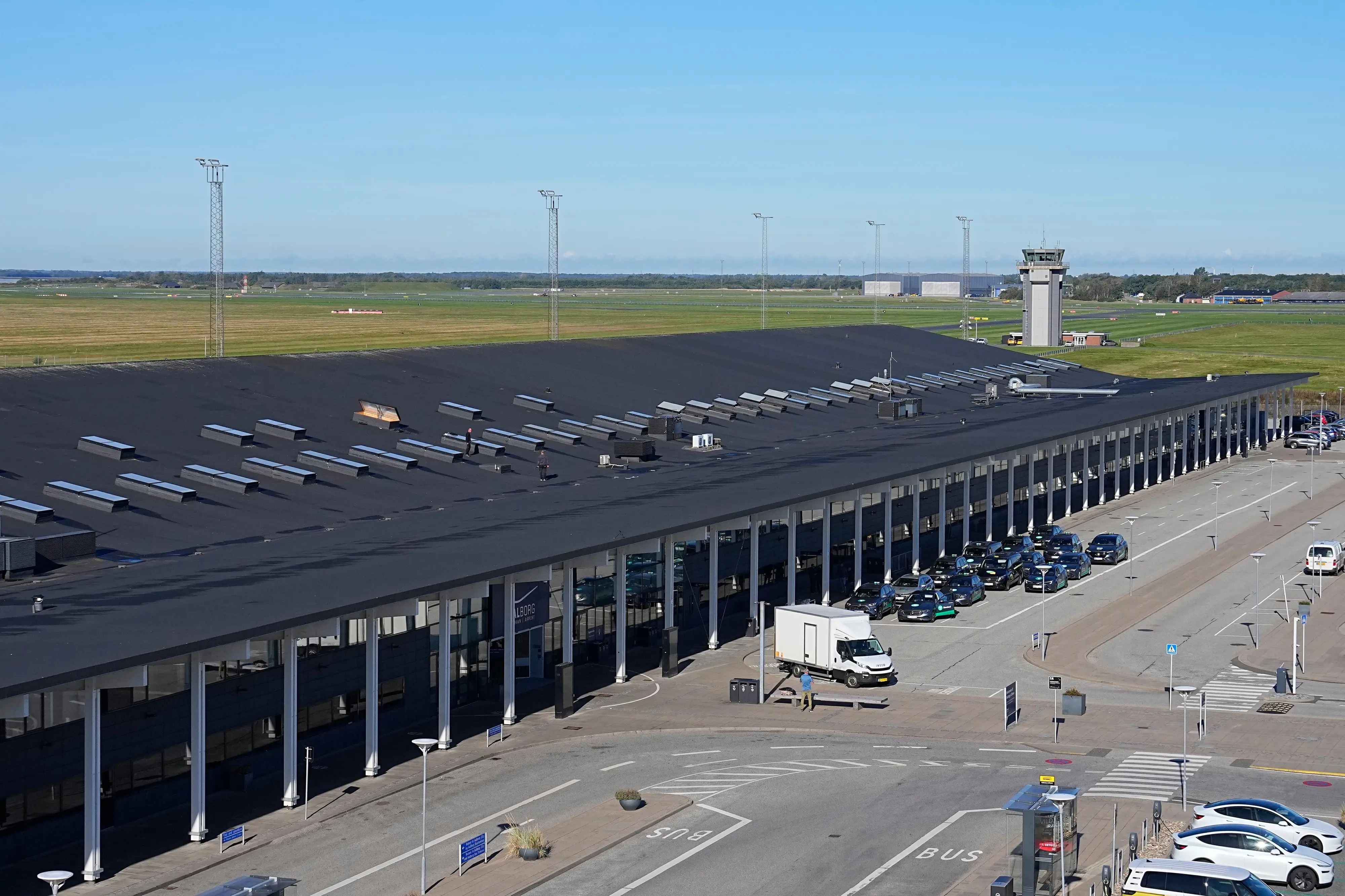
Denmark’s airspace has faced repeated disruptions this week after multiple airports, including Aalborg, Billund, and Copenhagen, were temporarily shut down due to suspected drone activity. Authorities described the incidents as a ‘hybrid attack’, a systematic attempt to disrupt infrastructure using non-traditional tools though they stressed that the drones were likely launched locally and found no direct evidence of Russian involvement.
On Wednesday night, Aalborg airport, which also serves as a military base, was forced to close for several hours after green lights were spotted overhead. Around the same time, drones were reported over smaller airports in Esbjerg, Sønderborg, and Skrydstrup, the latter of which also hosts an airbase. Billund airport, another key hub, was shut down for an hour early Thursday morning. At least three commercial flights had to be diverted, causing disruptions for passengers.
Danish Defence Minister Troels Lund Poulsen called the incursions “a systematic operation” and said they reflected a new kind of hybrid threat. Prime Minister Mette Frederiksen went further, describing the Copenhagen incident earlier in the week as “the most severe attack on Danish infrastructure so far.” While the Kremlin dismissed suggestions of Russian involvement as “unfounded,” European nations remain on high alert.
The incidents come amid a broader backdrop of tensions between NATO and Russia. In recent weeks, Estonia and Poland reported incursions by Russian aircraft and drones, while Romania also claimed a Russian drone crossed its airspace. Suspicious drones have also been spotted over Germany and Sweden. European leaders have responded with calls for a continent-wide “drone wall” to detect and destroy hostile devices before they can cause harm.
The Denmark cases underline a growing dilemma faced by governments worldwide, how to defend against drones that are cheap, easily available, and increasingly sophisticated. Even basic consumer drones can pose a risk to aircraft during take-off and landing, forcing costly airport shutdowns. More advanced drones, capable of long-range operations and carrying payloads, represent a serious threat to military bases, power plants, and other critical infrastructure.
The challenge is twofold, detection and neutralisation. Unlike traditional aircraft, drones fly low and slow, making them harder to spot on radar. And while countries like Denmark have the technology to shoot drones down, doing so over populated areas risks causing civilian casualties. As a result, many governments are now investing heavily in drone detection systems, electronic jamming, and counter-drone technologies.
For India, the Danish experience is a timely warning. India has already witnessed several drone-related security concerns, particularly along its western border. Over the past two years, the Indian military has intercepted numerous drones suspected of being launched from Pakistan, often carrying arms, ammunition, or narcotics.
Civil aviation is another area of concern. With India’s aviation sector expanding rapidly, the risk of drone incursions near airports has grown significantly. Drones flying in restricted airspace near airports in Delhi, Mumbai, and Bengaluru have triggered multiple scares, leading the Directorate General of Civil Aviation (DGCA) to issue strict rules on drone operations. However, enforcement remains difficult, especially with the proliferation of cheap, commercially available drones.
India has begun to respond with policy and technology. The government introduced new drone rules in 2021 to regulate their use, and security forces are investing in anti-drone systems, including jammers and drone ‘guns’ capable of disabling hostile devices. During high-profile events such as the G20 Summit in New Delhi last year, authorities imposed blanket bans on private drones and deployed counter-drone units to protect airspace.
Yet, as the Denmark incidents show, even advanced countries with strong air defence systems are struggling to fully neutralise drone threats. For India, which faces both cross-border hostility and domestic air traffic challenges, the lessons are clear: drones represent not just a technological innovation but also a growing security vulnerability.
The Danish incidents will likely accelerate European efforts to strengthen drone defences, and India will be closely watching. As New Delhi balances its ambitions to become a global drone hub, boosting agriculture, logistics, and surveillance applications it must also stay vigilant about the darker side of drone technology.
With its aviation market set to double in size over the next decade, India cannot afford a major drone-related disruption at a commercial airport. The need of the hour is a layered strategy with stronger regulation, rapid investment in detection and counter-drone technologies, and international cooperation on drone-related security frameworks.
Denmark’s skies may seem far away, but the message is close to home as drones are rewriting the rules of security, and India must be prepared.