Deal or no deal: US trading partners race to strike last-minute agreements ahead of US tariff surge
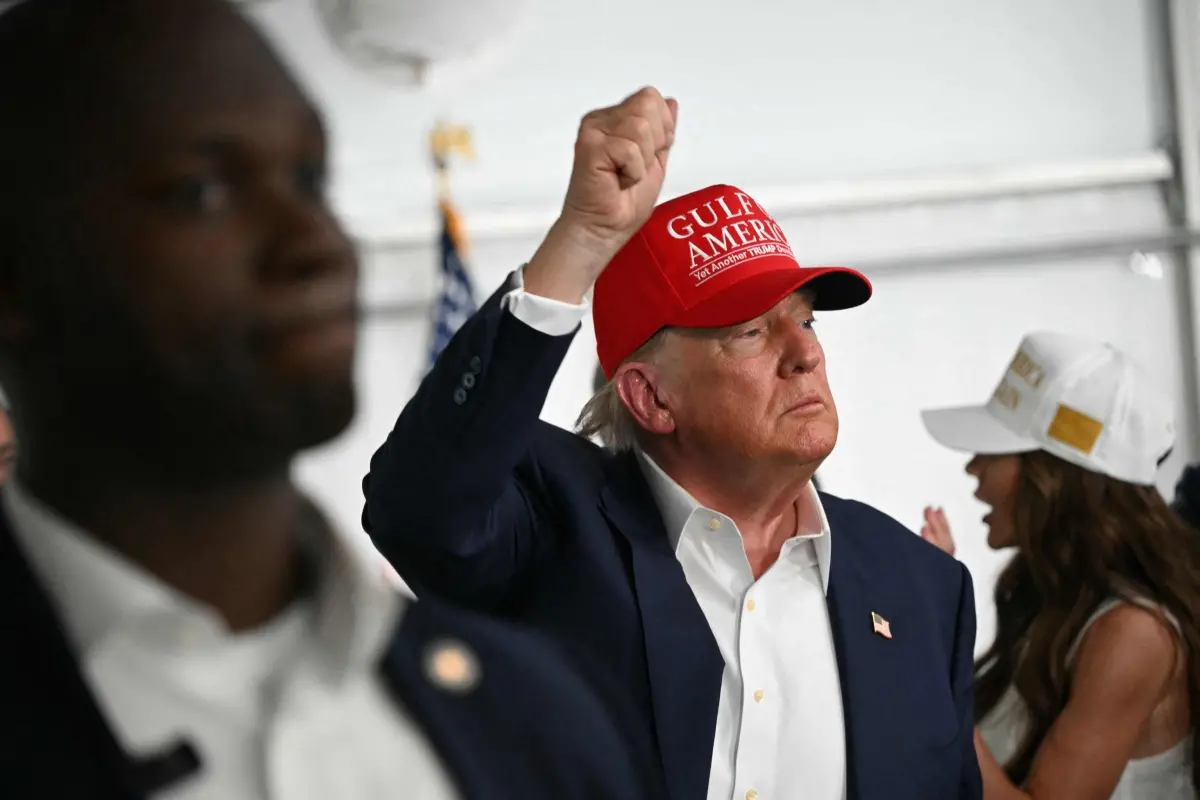
With just a week remaining before President Donald Trump’s new tariff hikes take effect, many US trading partners, including the European Union, Japan, and others, are racing to secure last-minute deals to avoid the steep duties.
The upcoming tariffs, set to be enforced on July 9, are part of a broader trade policy Trump introduced back in April. Citing a lack of "reciprocity" in trade relationships, the US president initially imposed a 10% tariff on many countries, with plans for higher, country-specific rates to follow, particularly for nations with which the US has significant trade deficits.
Although those enhanced rates were delayed to allow room for negotiations, the July deadline has forced urgent diplomatic efforts.
Three possible outcomes for affected nations
Analysts suggest that countries currently negotiating with the US are likely to fall into one of three categories:
1. Secure a preliminary trade framework that prevents increased tariffs.
2. Receive a temporary extension of the current 10% rate.
3. Face the full brunt of the higher tariffs, which could range from 11% to as high as 50%.
"There will be a group of deals that we will land before July 9," said Treasury Secretary Scott Bessent last Friday on CNBC.
India, Vietnam, Taiwan seen as strong contenders for deals
According to Wendy Cutler, Vice President at the Asia Society Policy Institute, Vietnam, India, and Taiwan appear promising for securing agreements with Washington. Without a deal, each faces significant tariff hikes:
Vietnam: From 10% to 46%
India: From 10% to 26%
Taiwan: From 10% to 32%
Josh Lipsky of the Atlantic Council pointed out that India recently extended its trade delegation's visit to the US, suggesting that a deal may be imminent.
Japan and EU at risk of higher tariffs
Japan’s position appears to be weakening due to its unwillingness to allow US rice exports into its market. Trump recently criticised this stance, saying Japan may face tariffs of 30% or higher. Analysts warn that Japan’s refusal, coupled with US resistance to lowering auto tariffs, could lead to the reintroduction of a 24% tariff on Japanese goods.
The European Union is also in a vulnerable position, particularly because of its approach to digital market regulations. Tensions remain high as EU trade chief Maros Sefcovic visits Washington this week to pursue a deal. Some fear tariffs could snap back to the earlier announced 20%, or even rise to 50%, depending on how talks unfold.
Temporary relief possible for some nations
Countries showing willingness to negotiate "in good faith" may be allowed to keep the 10% baseline tariff, Bessent noted. For example, South Korea, under its new government, is seen as a likely candidate for an extension of current rates, according to Cutler.
Lipsky also mentioned that several nations could be granted temporary relief until Labour Day (September 1), giving more time for further negotiations.
(with AFP inputs)