China’s growth story dented: What led to the country’s lowest economic growth in a decade?
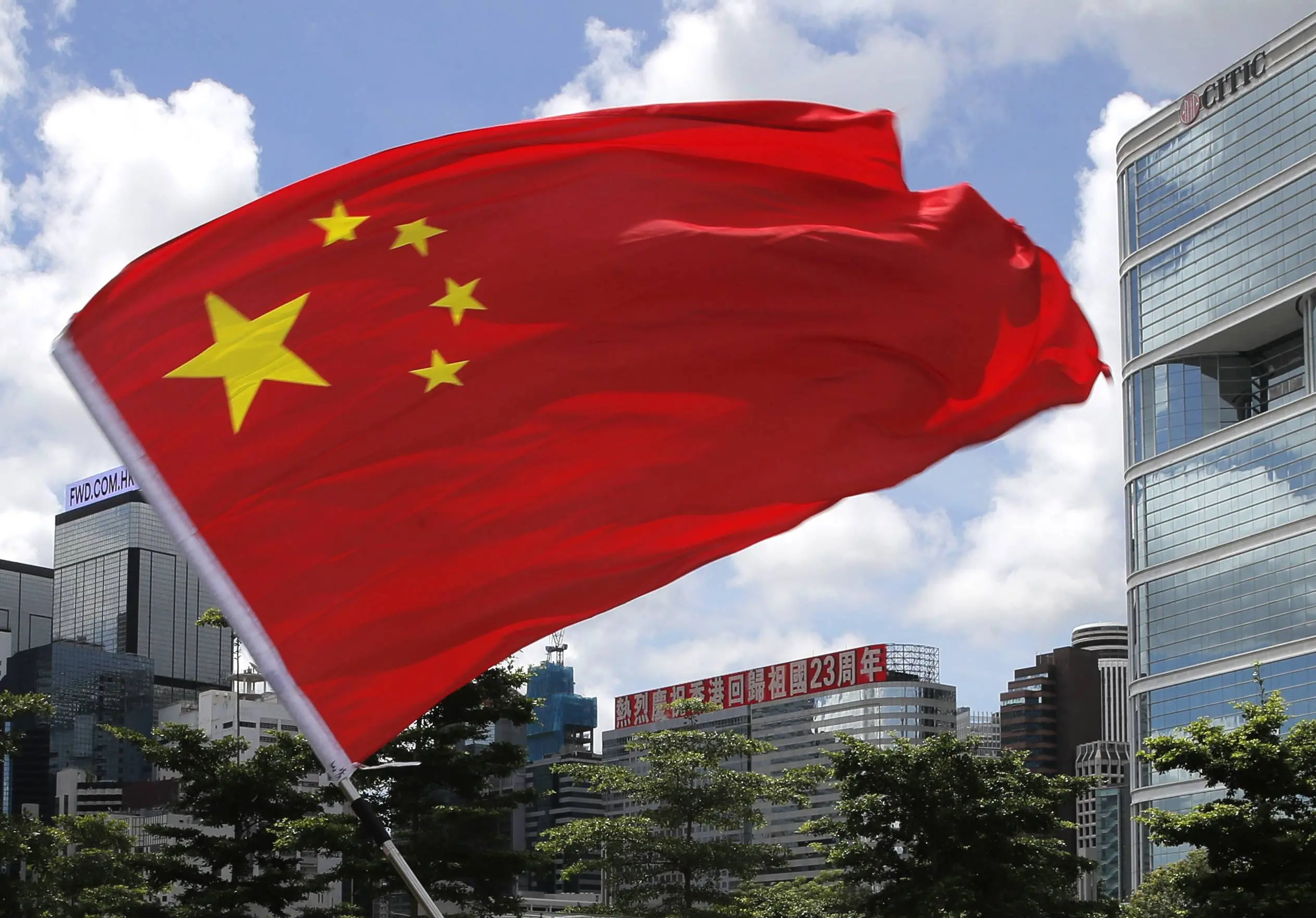
China's economic growth slumped to its lowest rate in decades in 2024, official data revealed on Friday. The country’s economy expanded by only 5%, slightly surpassing a forecast of 4.9% but still lower than the 5.2% recorded in 2023. The growth occurred despite numerous challenges, including a prolonged property market debt crisis and weak consumer spending.
The National Bureau of Statistics (NBS) stated that China faced a "complicated and severe environment with increasing external pressures and internal difficulties." Officials admitted that the economy continues to grapple with “difficulties and challenges,” even as retail sales and industrial output offered mixed signals. Retail sales rose by 3.5%, down sharply from the 7.2% increase in 2023. Meanwhile, industrial output increased by 5.8%, an improvement from the previous year’s 4.6%.
The final quarter of 2024 saw a notable 5.4% economic growth, exceeding expectations and outpacing the same period in 2023. Zhiwei Zhang, president of Pinpoint Asset Management, acknowledged that Beijing’s policy shift had stabilised the economy but noted that continued policy stimulus would be required to sustain growth. Meanwhile, Zichun Huang, China economist at Capital Economics, forecasted accelerating growth in the coming months, citing some positive signs in the housing market.
The 5% growth for 2024 marks China’s slowest rate since 1990, excluding the pandemic years. Analysts predict that China’s growth may further decline, with estimates suggesting a drop to 4.4% in 2025 and potentially below 4% by 2026. Despite a historic high in exports, the country's dependence on overseas shipments for economic recovery is uncertain, particularly with growing concerns over trade tensions with the US.
Trade Tensions and Future Outlook
As US President Donald Trump prepares for his second term, there are fears that Beijing could face severe trade sanctions. Trump has promised to impose heavy tariffs on China, which analysts believe will further dampen growth. The possibility of escalating trade tensions looms large, with structural imbalances continuing to weigh on the economy.
In response to economic sluggishness, Beijing has implemented several policy measures, including cutting key interest rates, easing local government debt, and expanding subsidy programmes. While these policies have provided some relief, analysts warn that domestic consumption remains weak, and more fiscal support is needed. Harry Murphy Cruise from Moody's Analytics stressed that “monetary policy support alone is unlikely to right the economy,” pointing to a broader crisis of confidence.
China narrowly avoided slipping into deflation in December, with prices rising at their slowest pace in nine months. Analysts continue to be concerned about the ongoing crisis of confidence among consumers and businesses. Despite subsidies aimed at stimulating spending, government efforts have yet to result in a full rebound in consumer activity.
With AFP inputs