CENTCOM readies plan for ‘short and powerful’ Iran strikes; Trump to receive briefing: Reports
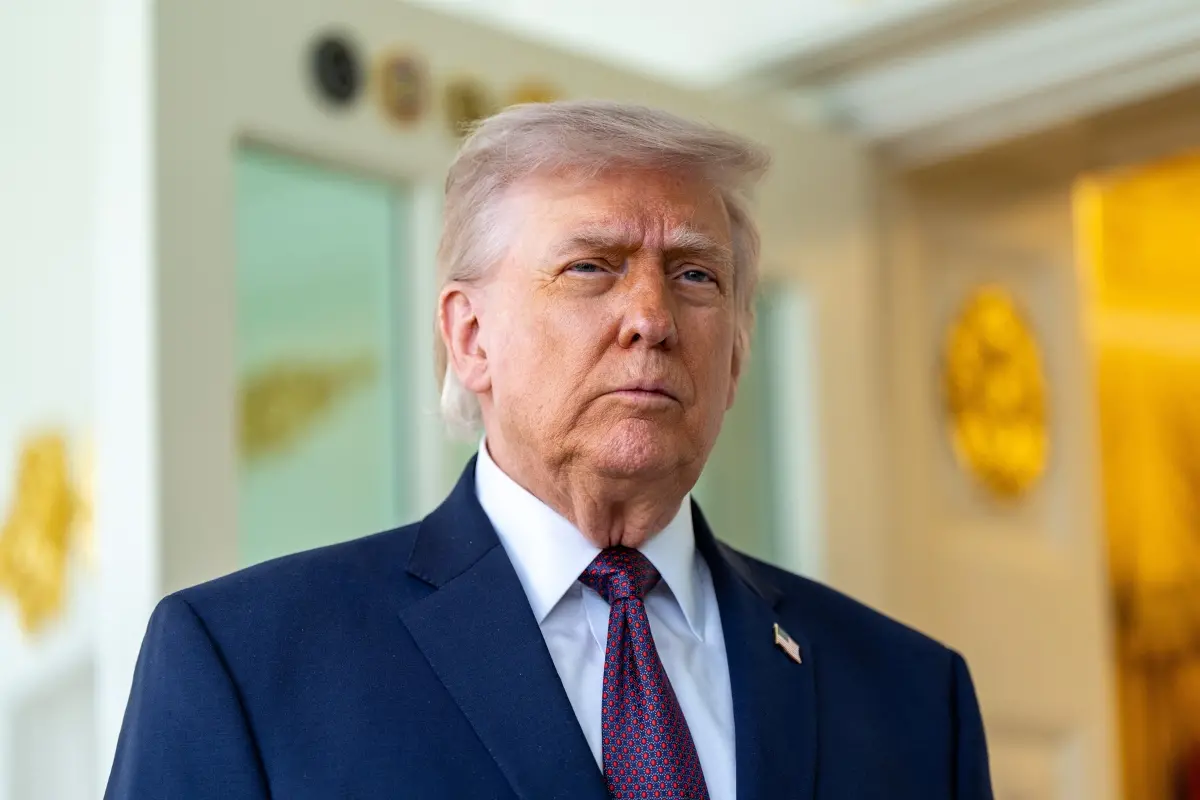
The US military is preparing to present President Donald Trump with a new set of options for potential escalation against Iran, including the deployment of American ground forces to seize strategic sections of the Strait of Hormuz, sources told Axios. The briefing, scheduled for Thursday, will be led by US Central Command (CENTCOM) chief Adm Brad Cooper, with Gen Dan Caine, chairman of the Joint Chiefs of Staff, also expected to attend.
The move signals that the White House is weighing fresh military steps even as diplomatic talks with Tehran stall and Washington maintains a sweeping naval blockade on Iranian ports. Trump has publicly insisted the blockade is his strongest leverage for compelling Iran to “give up” its nuclear ambitions, but he has not ruled out renewed air or ground operations.
New set of military options
According to the Axios report, CENTCOM has developed several proposals that will be laid before the president, including a plan for a “short and powerful” series of strikes against Iranian targets, primarily key infrastructure installations. The objective, officials said, would be to pressure Tehran back into negotiations with greater concessions on its nuclear programme.
A second, more dramatic option centres on taking control of “parts” of the Strait of Hormuz, the narrow chokepoint through which nearly a fifth of the world’s oil passes. The plan could require the deployment of US ground forces to secure strategic positions and restore full commercial shipping access.
Another proposal expected to be revisited involves a special forces mission aimed at recovering roughly 450 kilograms of Iranian uranium enriched to 60%, a stockpile Washington views as a central point of contention in negotiations.
Echoes of pre-war briefings
Thursday’s session will mirror a similar briefing given to Trump on 26 February, which occurred two days before the United States and Israel launched coordinated military operations against Iran. One source close to the president told Axios that Cooper’s February assessment helped shape the decision to initiate the conflict.
Although a ceasefire was declared on 7 April, Trump has oscillated between threats of overwhelming force and gestures toward diplomacy. He has repeatedly emphasised that no agreement will be reached unless Tehran dismantles its nuclear weapons capabilities.
Blockade as leverage, strikes still possible
Trump indicated this week that the blockade remains his preferred pressure mechanism, saying Iran must capitulate and declare, “We give up.” He did not clarify whether further bombing would be required but stressed that talks, now conducted by phone, were ongoing.
Following discussions with Israeli Prime Minister Benjamin Netanyahu and Russian President Vladimir Putin, Israeli officials concluded Trump intends to continue the blockade and believes it will eventually force Tehran’s surrender. The president publicly praised the strategy, “The blockade is genius. It is 100% airtight, and it shows how good our navy is. Militarily, we wiped out Iran. They have no army left, the navy is at the bottom of the sea, and the air force will never fly again.”
Behind closed doors, Trump has also held talks with senior US oil executives about the possibility of sustaining the blockade for several months. At the same time, he has instructed the Pentagon to be ready for a significant strike if the blockade fails, prompting Israel to prepare for multiple scenarios.
Shifts in US naval presence
The Washington Post reported that one of the three aircraft carriers deployed to the region, the Gerald Ford, will soon return to the United States after a 10-month rotation. The Abraham Lincoln and George H.W. Bush will remain in the Middle East, operating primarily in the Arabian Sea to help enforce the blockade.
A White House official, speaking anonymously, said Trump discussed ways “to alleviate global oil markets and steps we could take to continue the current blockade for months if needed and minimize impact on American consumers.”
Oil markets react as Iran pushes back
Trump told Axios that the naval pressure was suffocating Tehran: “They are choking like a stuffed pig. And it is going to be worse for them.”
Oil prices remained near four-year highs as markets absorbed the ongoing tensions. Brent crude for June hovered around $120 after briefly touching $122.53, while West Texas Intermediate traded near $108.
Iran, seeking leverage of its own, has moved to assert control over parts of the Strait of Hormuz, intensifying global concern over the security of a waterway vital to international energy flows.
(With inputs from AP)