Candida auris outbreak in US: Causes, symptoms, spread and treatment explained
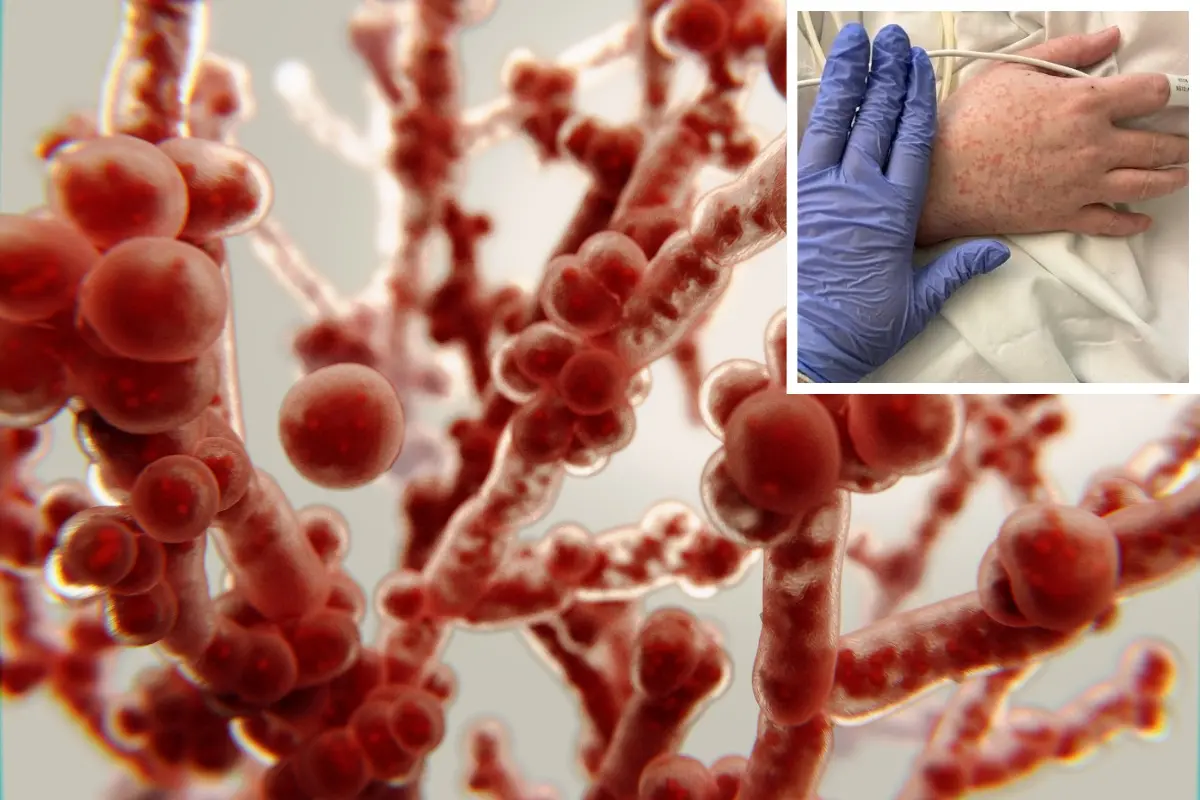
Candida auris, commonly known as C. auris, is a potentially dangerous fungal infection that has been spreading in healthcare settings in the United States. Health authorities have reported thousands of cases in 2026, with infections recorded in 23 states.
Unlike many common infections, C. auris can survive for long periods on hospital surfaces and medical equipment. Its ability to resist multiple antifungal medicines has made it a major concern for doctors and public health officials.
What is Candida auris?
Candida auris is a type of yeast that can cause serious infections, particularly among people who are already severely ill or have weakened immune systems.
The fungus was first identified in the United States in 2016 and has since expanded across healthcare facilities. The US Centers for Disease Control and Prevention (CDC) classifies it as an urgent antimicrobial resistance threat because some strains can resist several major antifungal treatments.
Unlike seasonal viruses or common infections, C. auris does not usually spread widely among healthy people. The greatest risk is among patients in hospitals, nursing homes and long-term care facilities.
ALSO READ | Jaundice spreads unchecked in Malappuram; 150 cases reported in a month, 2 dead
Why are health officials concerned?
The biggest concern is the fungus’s resistance to treatment.
Some C. auris strains do not respond well to commonly used antifungal medicines, making infections harder to control. Doctors may have fewer options when treating severe cases, especially bloodstream infections.
The fungus can also remain on surfaces such as hospital beds, medical equipment and other areas for extended periods, allowing it to spread between patients if strict infection-control measures are not followed.
How does Candida auris spread?
C. auris mainly spreads in healthcare environments through contact with contaminated surfaces, equipment or infected individuals.
Patients at higher risk include those who:
- Use ventilators or breathing tubes
- Have central intravenous lines
- Require feeding tubes or catheters
- Have weakened immune systems
- Have had prolonged hospital stays
Have previously used antibiotics or antifungal medicines extensively
Healthy people usually face a much lower risk of developing serious illness.
Which US states have reported cases?
Federal surveillance data has identified more than 3,000 clinical cases in 2026.
Texas reported the highest number of cases, followed by Michigan and Illinois. However, officials have said the increase does not represent widespread community transmission in homes, schools or public spaces.
Most infections continue to be linked to healthcare facilities.
What are the symptoms of Candida auris?
C. auris does not have a unique set of symptoms, making diagnosis difficult.
Possible signs include:
- Fever
- Chills
- Fatigue
- Low body temperature
- Low blood pressure
- Increased heart rate
In serious cases, the fungus can enter the bloodstream and cause life-threatening infections.
Because symptoms can resemble bacterial infections, specialised laboratory testing is often needed for confirmation.
How is Candida auris treated?
Treatment usually involves antifungal medicines, but resistance can limit available options.
Doctors commonly use:
- Echinocandins: Often the first choice for treatment
- Azoles: Used in some cases, although resistance is common
- Amphotericin B: Sometimes considered for severe infections
In rare situations, additional procedures may be needed to remove infected tissue or control complications.
Why is drug resistance increasing?
Experts say increased use of antifungal medicines and the ability of fungi to adapt contribute to growing resistance.
Healthcare researchers are monitoring genetic changes in C. auris strains to understand how resistance develops and spreads between hospitals.
Health authorities are strengthening infection-control measures, including:
- Screening high-risk patients
- Isolating colonised patients
- Improving cleaning procedures
- Tracking fungal strains through genomic surveillance
The goal is to prevent the fungus from spreading between healthcare facilities.
While Candida auris is a serious concern for hospitals, experts say the general public risk remains low.
The main challenge is protecting vulnerable patients and ensuring healthcare systems can identify and control infections before they spread further. As cases continue to be monitored, health officials are focusing on early detection, strict hospital hygiene and preventing further drug resistance.