PoK on the boil: Pakistan Army brutality exposed in videos as 11 killed, blackout deepens
More than 50 British Members of Parliament have formally written to the UK government, demanding urgent attention to the deteriorating situation in Pakistan-occupied Kashmir (PoK), where at least 11 civilians have been killed in the past week following a brutal crackdown by security forces on protesters ahead of a region-wide shutdown.
The letter, which was sent to Foreign Secretary Yvette Cooper, raises fresh concerns over arrests, communication blackouts, and lethal use of force against demonstrators, with MPs describing the episode as a severe escalation of human rights violations in the disputed territory.
At least 11 people lost their lives in clashes between law enforcement and supporters of the banned Joint Awami Action Committee (JAAC) in Pakistan-administered Kashmir on Monday, according to local officials. Six of the dead were protesters killed during the response by security forces, while others were civilians caught in the crossfire.
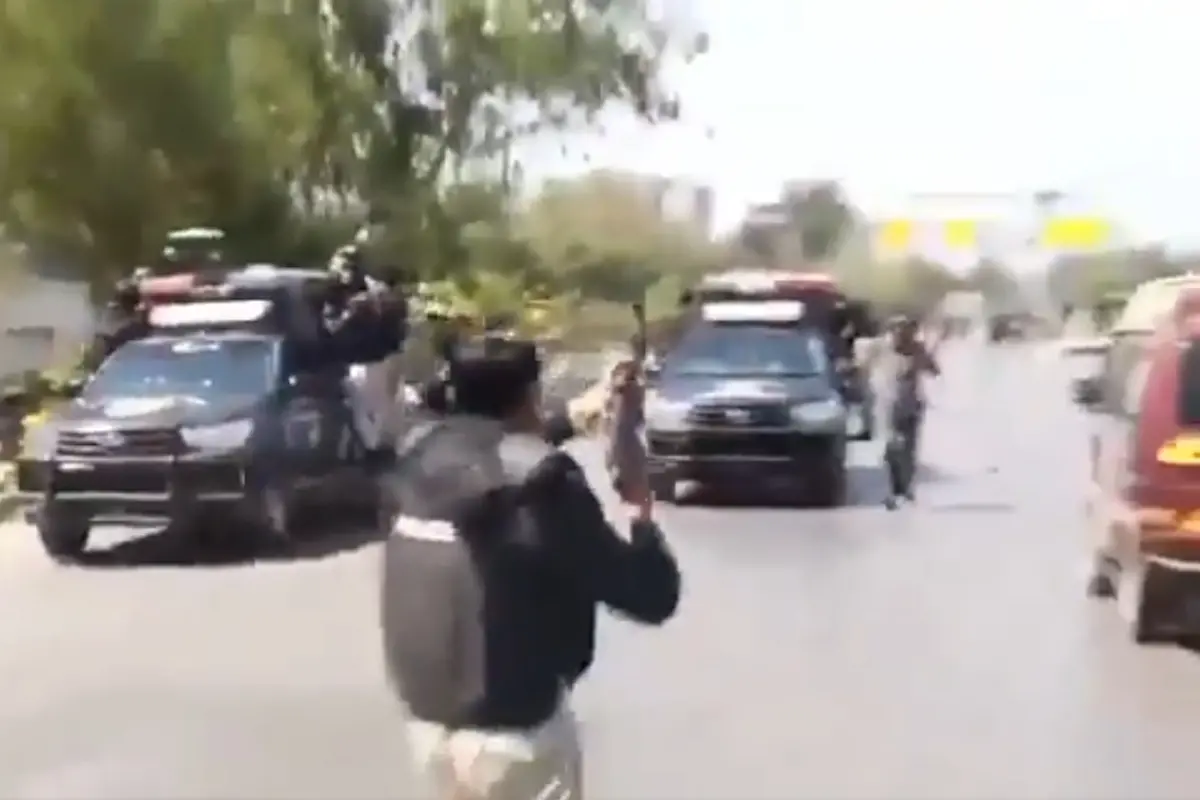
Videos showed the ruthless manner in which the Pakistan Army cracked down upon protesters.
The violence erupted in Rawalakot and several other areas hours before JAAC supporters had planned to hold a rally and launch a region-wide shutdown on Tuesday, June 9. Authorities had declared a ban on the group, which has led a series of protests over economic hardship, political disenfranchisement and poor governance in PoK in recent months.
Reports say roughly 70 others were injured in the clashes, with many sustaining gunshot wounds. Local residents have described a heavy deployment of security forces, including the Pakistan Army, in sensitive areas as tensions build ahead of the indefinite strike from June 9.
PoK is now on edge as authorities now face an indefinite strike ordered by the Joint Awami Action Committee from June 9. In preparation for the shutdown, security forces have intensified their presence across the region, with reports of heavy deployment in Muzaffarabad, Rawalakot, Mirpur and Bagh districts.
Internet and digital communication services have been completely suspended across PoK since Friday night, leaving the population largely disconnected from the outside world. The blackout has been described by local activists as a deliberate attempt to prevent protests from being documented and shared online.
The JAAC, which has been at the centre of the protests, accused authorities of failing to implement commitments under the so-called Muzaffarabad Agreement and has highlighted surging inflation, poor governance and long-standing political grievances as key drivers of unrest. The group’s leadership has warned that the strike could remain indefinite if demands are not met.
Why is PoK on the edge?
The latest crackdown has transformed what began as protests over economic hardship into a broader human rights crisis. Residents in PoK say the region is being treated as a zone of military control rather than a civilian polity, with political representation, freedom of expression and basic services all under threat.
FAO, human rights groups and local civil society organisations have expressed concern over the use of lethal force against protesters, the suspension of communications and the arrest of individuals, including British nationals, in connection with peaceful dissent.
Local residents say the situation is fragile, with the risk of further violence if the strike continues for days and authorities respond with even heavier force.
British MPs' slam crackdown in PoK
The group of more than 50 British parliamentarians, including Labour MP Imran Hussain of Bradford East, has raised specific concerns over what they term a “communication blackout” and widespread arrests in PoK. In their letter, the MPs said they had received representations from British Kashmiris who were unable to contact relatives in the region amid reports of curbs on internet and mobile services.
The parliamentarians expressed concern over:
* Arrests, including of British nationals, in connection with protests and the JAAC’s activities
* Restrictions on communications, including suspension of internet and digital services
* A complete breakdown in dialogue between authorities and representatives of the Joint Awami Action Committee
* The lethal crackdown on protesters ahead of the planned shutdown
The MPs urged the British government to engage diplomatically with Islamabad, seek clarity on the situation in PoK, and push for de-escalation. Some sources say a separate group of around 30 MPs, also led by Imran Hussain, has written to Foreign Secretary Yvette Cooper calling for Britain to address communications blackouts and alleged repression in the region.
The unrest in PoK has also sparked protests outside Pakistani diplomatic missions in the UK, with the Kashmiri diaspora calling for international attention to the crackdown. Led by activists and community groups, demonstrators have accused Pakistan of suppressing dissent and violating the rights of people in PoK.
The protests in London and other British cities have amplified the issue in the UK media and among policymakers, contributing to the pressure on MPs to formally intervene.