Boeing jets return to US amid escalating US-China trade tensions
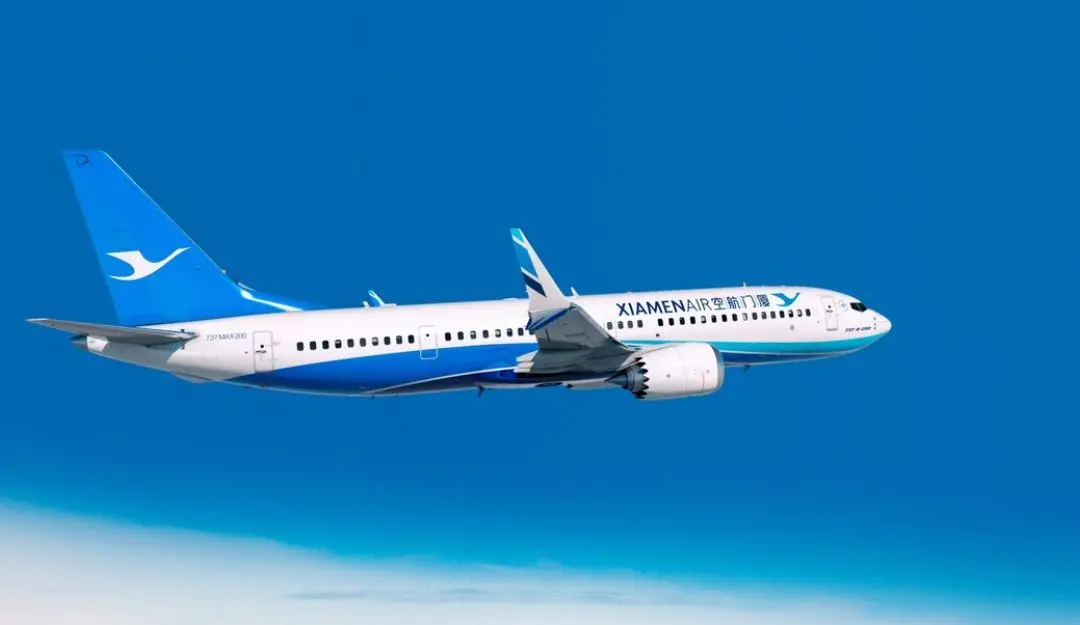
In a significant development highlighting the intensifying trade dispute between the United States and China, two Boeing 737 MAX 8 aircraft, originally intended for Chinese carriers, have been redirected back to the US. This move underscores the growing impact of geopolitical tensions on the global aviation industry.
The first of these aircraft, adorned with Xiamen Airlines livery, departed from Boeing's Zhoushan completion center in China and landed at Seattle's Boeing Field on Sunday.
The second 737 MAX 8 landed in the US territory of Guam on Monday, after leaving Boeing's Zhoushan completion centre near Shanghai, according to the tracking website AirNav Radar. Guam is one of the stops such flights make on the 5,000-mile journey Boeing's US production hub in Seattle and the Zhoushan completion center. The completed planes are ferried by Boeing to Guam for final work and delivery to Chinese carriers
While Boeing has not officially commented on these returns, industry analysts suggest that the escalating trade tensions between the US and China are a significant factor. President Donald Trump's administration recently increased tariffs on Chinese imports to 145%, prompting China to retaliate with 125% tariffs on US goods, including aircraft. Given that a new Boeing 737 MAX has a market value of approximately $55 million, these tariffs substantially raise the cost for Chinese airlines, potentially leading them to reconsider or defer new aircraft acquisitions.
Further complicating matters, reports indicate that China has instructed its airlines to halt deliveries of Boeing aircraft and American aircraft parts. This directive, initially reported by Bloomberg and later acknowledged by President Trump, signifies a deepening rift in US-China trade relations. Trump stated on his social media platform that China had "just reneged on the big Boeing deal, saying that they will 'not take possession' of fully committed to aircraft.
The implications of these developments are far-reaching. China is a crucial market for Beoing as it accounts for approximately 15% of the global commercial aviation market, a figure projected to rise to 20% over the next 15 years. The current trade impasse not only threatens Boeing's market share but also provides an opportunity for competitors like Airbus and China's state-owned Commercial Aircraft Corporation of China (COMAC) to strengthen their positions.
As the situation unfolds, the aviation industry watches closely, recognizing that the resolution of these trade tensions will have lasting effects on global aircraft manufacturing, supply chains, and international airline operations.