Blood moon set to illuminate the sky on March 3: Lunar eclipse timings and visibility in India
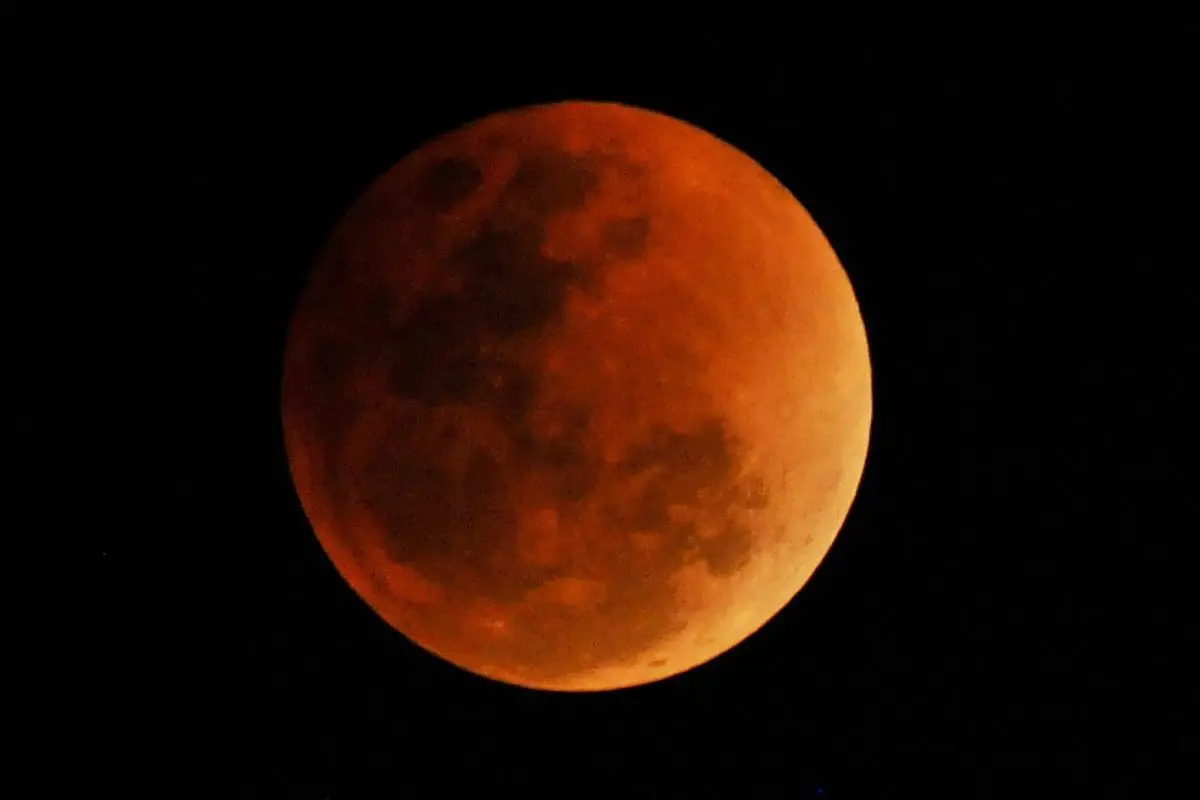
Skywatchers across India will have a chance to witness a rare celestial spectacle on 3 March, when the year’s first total lunar eclipse turns the Moon a deep, copper-red hue, a phenomenon popularly known as a blood moon.
The eclipse occurs when the Earth moves directly between the Sun and the Moon, casting a vast shadow that gives the lunar surface its dramatic reddish tint. According to NASA, this alignment is only possible during a full Moon.
Where the eclipse will be visible globally
The total lunar eclipse will be observable across the night side of Earth, with the most favourable and extended views predicted in the western half of North America, Australia and much of the Pacific.
Totality, the period when the Moon is entirely immersed in Earth’s shadow, will last 58 minutes, from 6:04 am to 7:02 am EST (1104 GMT to 1202 GMT).
Cities such as New York will see the Moon redden, though the deepest phase of the eclipse will unfold after moonset.
Visibility in India
In India, known locally as Chandra Grahan, the eclipse will be visible at moonrise, meaning most regions will witness only the concluding stages. The most noticeable changes in colour and brightness will occur around sunset, with the visible portion lasting roughly 20 minutes.
Data from Time and Date shows the following timings in Indian Standard Time (IST):
- Penumbral phase begins: 4:58 pm
- Start of totality: 4:58 pm
- End of totality: 5:32 pm
- Penumbral phase ends: 7:53 pm
As the Moon will be rising during these phases in most parts of India, the event will unfold low on the eastern horizon.
Cities expected to witness full totality
While most of the country will see only a partial eclipse, several cities in India’s Northeast are positioned to observe 100% obscuration. These include:
- Dibrugarh
- Dispur
- Guwahati
- Itanagar
- Shillong
In these areas, totality is expected to begin in the late afternoon and extend into the early evening, with peak eclipse phases occurring between 5:10 pm and 5:25 pm IST, depending on the location.
How to watch the eclipse
Lunar eclipses are completely safe to view with the naked eye, unlike solar eclipses, no protective glasses are required. Observers need only an unobstructed view of the eastern horizon.
For an enhanced experience, astronomers recommend watching from a dark, open area away from city lights. Binoculars or a small telescope can offer a more detailed look, though they are optional.
What to expect during the eclipse
As the eclipse begins, the Moon will gradually dim, taking on a muted grey before shifting into a warm, reddish glow during totality. This colour is created when sunlight filters through Earth’s atmosphere and bends into its shadow, illuminating the Moon with shades of red and orange.