Escaped militants, 700+ missing inmates and stolen weapons deepen security worries in Bangladesh
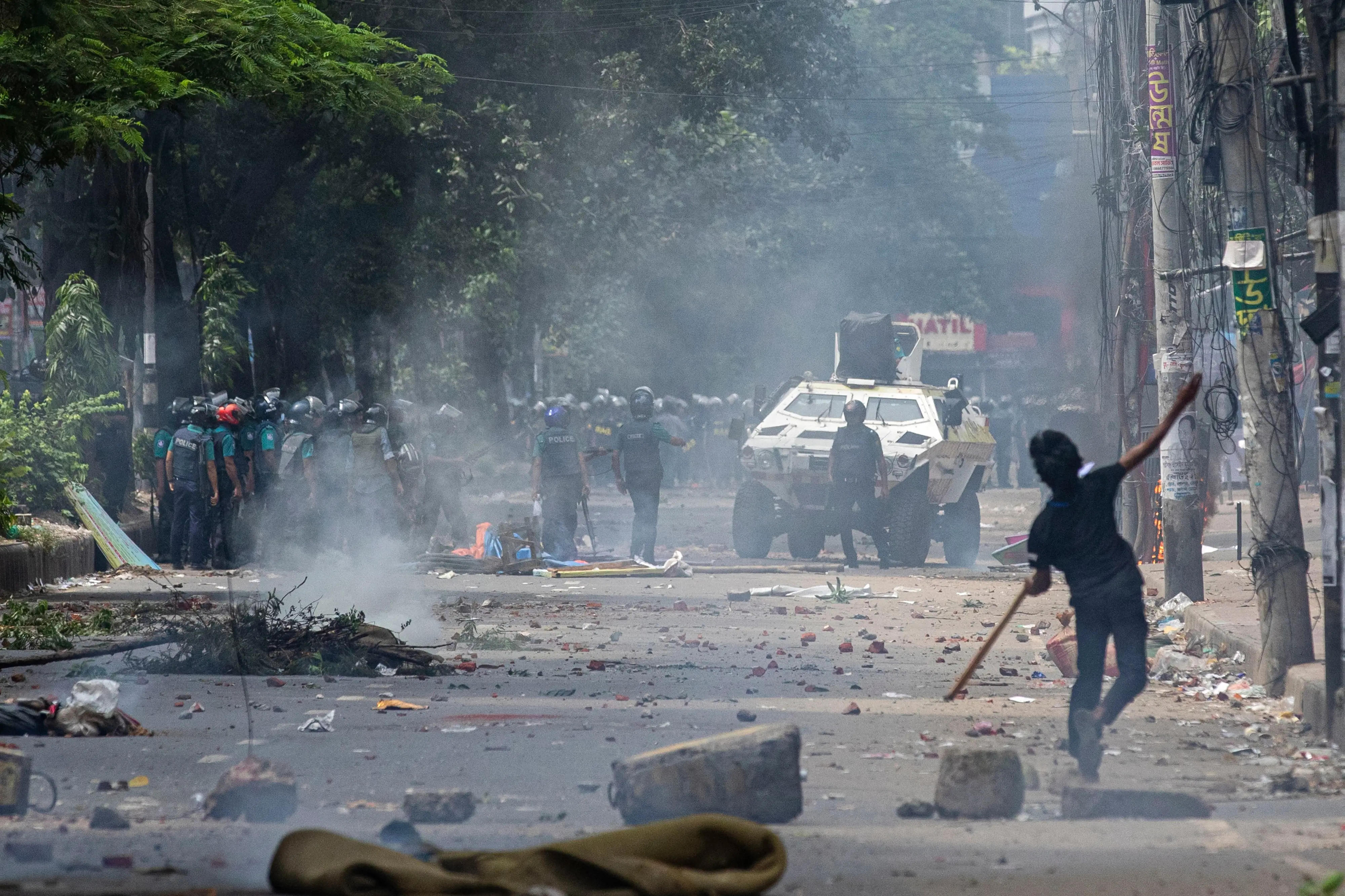
Dhaka: A new report has highlighted growing unease among security experts in Bangladesh as several convicted militants who escaped during the political turmoil of July–August 2024 continue to evade arrest. Despite repeated assurances from top officials that extremism poses no threat in the country, the whereabouts of many fugitives and recently bailed-out suspects remain unknown.
The Times of Bangladesh, citing official sources, reported that six militants convicted on terror charges are still untracked months after fleeing damaged prisons during the unrest. Authorities have also failed to recover at least 18 firearms stolen from correctional facilities during the same period. Meanwhile, nearly 200 detainees accused of militancy-related offences have been granted bail in the last eight months, with no updated information on where many of them are.
Government maintains militancy absent despite concerns
According to the report, senior officials have consistently asserted that Bangladesh remains free of militant activity. It noted: "These developments have raised renewed concerns among security analysts, despite repeated assurances from senior government officials and law enforcement agencies that militancy has no presence in Bangladesh. Home Affairs Adviser Jahangir Alam Chowdhury has stated on multiple occasions that there is no scope for militancy in the country."
The Times of Bangladesh also quoted Additional Inspector General Md Rezaul Karim, who assumed leadership of the Anti-Terrorism Unit (ATU) in September, reiterating the same stance. It added: "Similarly, Additional Inspector General Md Rezaul Karim, who took charge of the Anti-Terrorism Unit (ATU) in late September, said there was no militant activity in Bangladesh. Over the past one and a half years, no major anti-militancy operations have been publicly reported by the ATU or by the Counter Terrorism and Transnational Crime (CTTC) unit of the Dhaka Metropolitan Police (DMP)."
Madrasa blast renews scrutiny on extremist links
Fresh anxiety over militant networks surfaced after an explosion at the Ummul Qura International Madrasa in Hasnabad on Dhaka’s outskirts on Friday. The blast prompted the institution’s director, Sheikh Al Amin, 32, to disappear. Police have said he faces several cases alleging connections to the banned New Jamaatul Mujahideen Bangladesh (New JMB) and has previously served multiple prison terms.
Experts warn of unresolved militancy challenges
Speaking to the Times of Bangladesh, ANM Muniruzzaman, president of the Bangladesh Institute of Peace and Security Studies (BIPSS), said the country’s extremism issue remains far from resolved. He stressed that the situation has grown more complicated as many escapees and stolen weapons are still missing.
He told the publication that law and order had deteriorated further since the political transition on 5 August 2024 and called for urgent improvements in security management.
Large-scale bail releases trigger alarms
The report further pointed to a significant wave of bail releases following the unrest. It stated: "According to data from the courts and the Prison Directorate, 346 inmates were released on bail in a short period following 5 August 2024. This group includes 12 top-listed criminals, eight convicts in the high-profile ten-truck arms haul case, and members of at least ten different organisations. In the first eight months following the political transition, 148 members of the banned Jamaatul Mujahideen Bangladesh (JMB) were released on bail in cases filed over alleged militant involvement."
Police have said those freed include individuals previously associated with outlawed outfits such as Harkat-ul-Jihad-al-Islami, Ansarullah Bangla Team, Jama’atul Ansar Fil Hindal Sharqiya, Hizb ut-Tahrir, and the Kuki-Chin National Front. One notable case is that of Jasim Uddin Rahmani, convicted for his role in the murder of blogger Rajib Haider. After securing bail post-August, Rahmani reportedly told the publication that “Ansarullah Bangla Team had never existed”.
Hundreds still unaccounted for after prison breakouts
The Times of Bangladesh also cited prison authorities on the widespread infrastructural damage caused by the July–August upheaval. Assistant Inspector General (Development) of Prisons Md Jannatul Farhad said 17 of the country’s 68 jails were damaged, enabling 2,232 inmates to flee from five facilities. At least 88 of them were death-row prisoners.
The report added that over 700 escapees remain missing, including six militants sentenced to death or long-term imprisonment. A total of 85 firearms were looted during the coordinated attacks on prisons, with Narsingdi prison witnessing the largest breakout as 826 inmates fled. IANS