Bangladesh-Pakistan military pact in works, Intel flags possible nuclear dimension
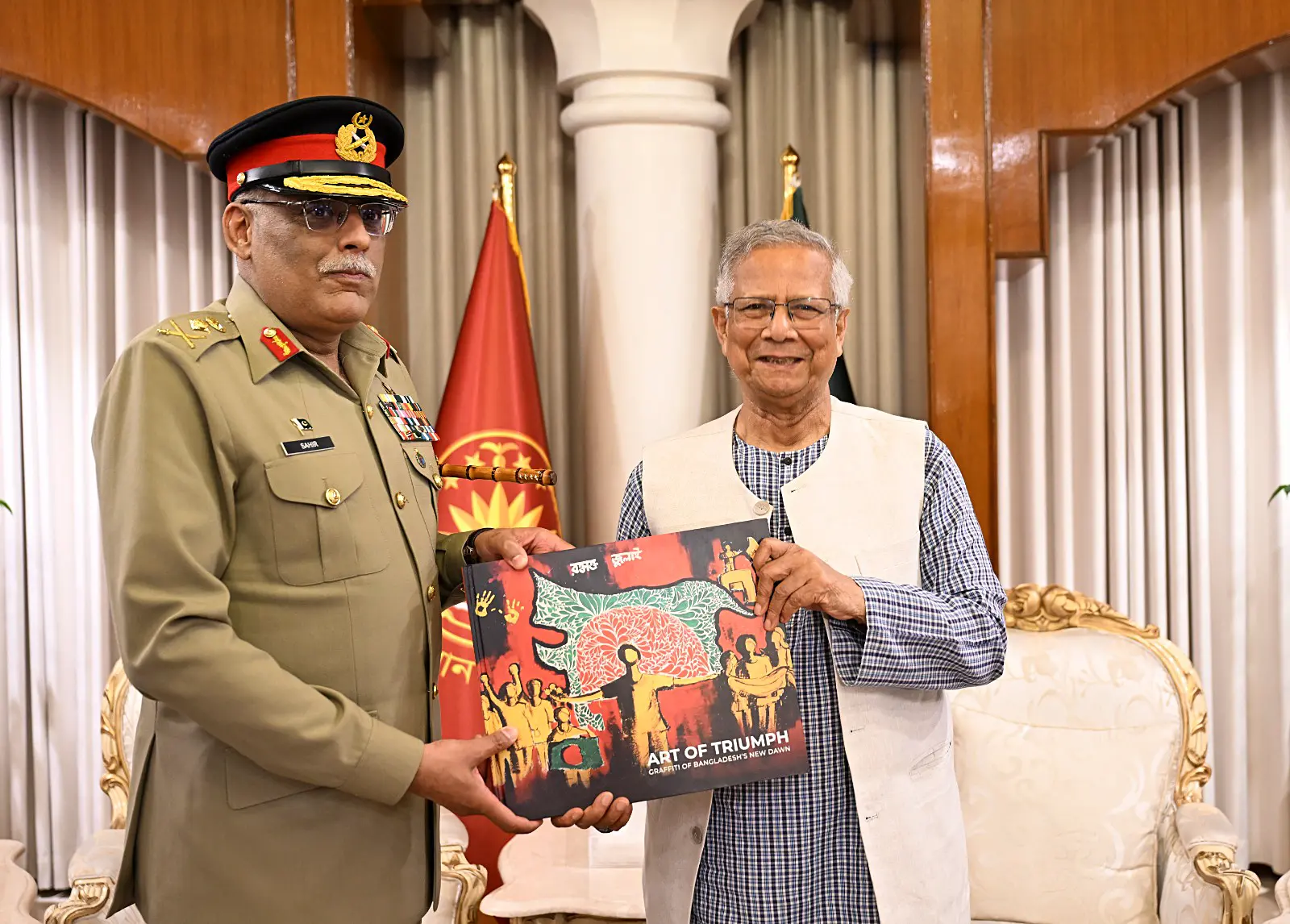
Dhaka: Since Muhammad Yunus assumed charge as caretaker of Bangladesh’s interim government, relations between Dhaka and Islamabad have shifted dramatically. Reports suggest that the ISI has leveraged the evolving ties to use Bangladesh as a base for radical and terrorist activities, a development being closely monitored by Indian agencies.
A formal military cooperation on the cards
Officials indicate that the pact would institutionalise military collaboration, including joint exercises and intelligence-sharing. While Pakistan hinted at providing nuclear-related cooperation, Saudi officials reportedly remained non-committal. Observers believe Bangladesh may pursue similar privileges, marking a worrying development for India’s security calculus.
Strategic timing before elections
The agreement is reportedly being fast-tracked ahead of Bangladesh’s February elections. Military officials from both countries have held multiple rounds of discussions, with the Bangladesh Army actively pushing for finalisation. Both nations aim to structure the deal similar to the Pakistan-Saudi Arabia agreement, encompassing strategic coordination and defence cooperation.
Indian intelligence suggests that the pact’s success depends heavily on the election outcome. If the Bangladesh National Party (BNP), which is more India-friendly, comes to power, the deal may stall. Analysts note that orchestrated violence in Bangladesh could be a tactic to delay elections and ensure the pact goes through under a favourable administration.
Implications for India
For New Delhi, the pact signals a potential security challenge, particularly if nuclear cooperation is included. Indian agencies are tracking the situation closely, aware that the formalisation of military collaboration between Dhaka and Islamabad could alter regional strategic balances.
(With IANS inputs)