Iranian attack on Bahrain refinery disrupts oil shipments; force majeure declared- what it means
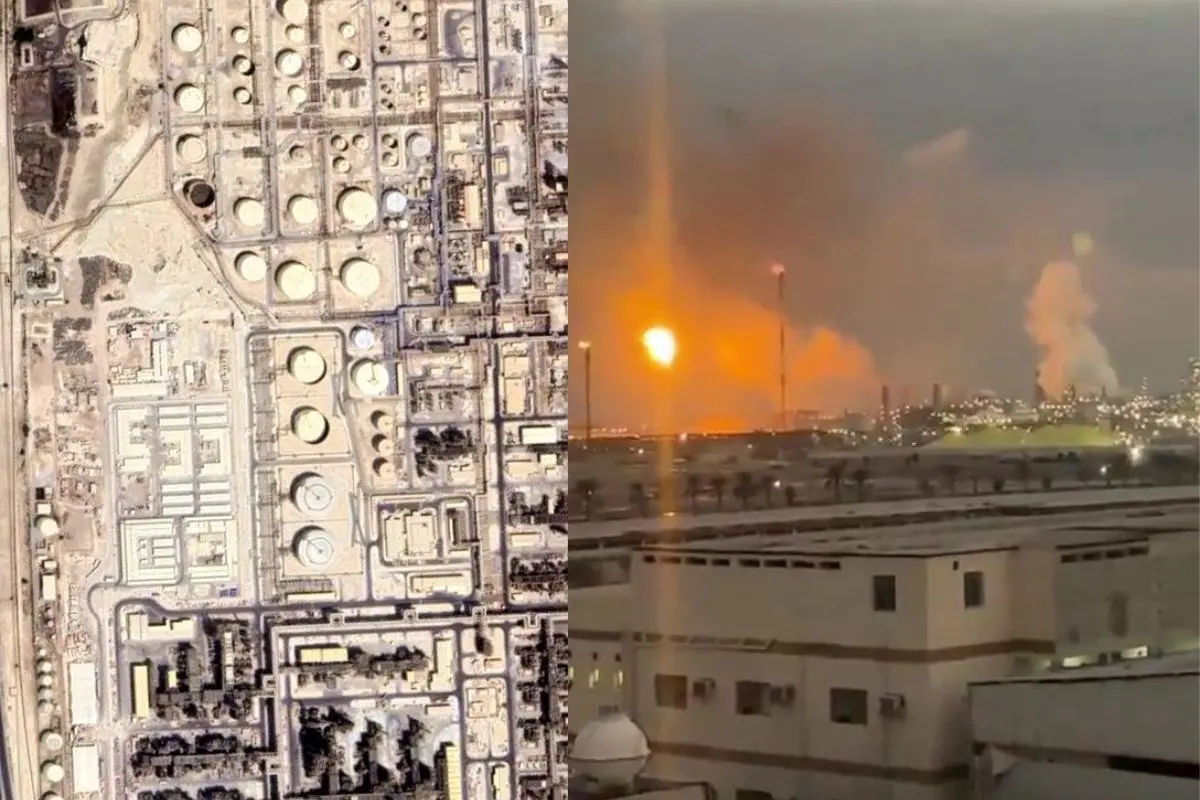
Bahrain’s state-owned oil company has declared force majeure on its shipments following an Iranian attack that triggered a fire at its Al-Ma’ameer refinery, the state-run Bahrain News Agency reported on Monday.
The announcement cited “ongoing regional conflict in the Middle East and the recent attack on its refinery complex” as the reason for invoking the legal manoeuvre, which releases a company from contractual obligations due to extraordinary circumstances. The company confirmed that local demand could still be met despite the disruption.
State media said emergency teams quickly responded to control the blaze, which caused material damage but no casualties. “Outbreak of a fire due to the Iranian aggression targeting a facility in Al-Ma’ameer, with material damage reported but no casualties recorded, and the competent authorities have begun firefighting procedures,” the agency said in a post on X.
The incident is the latest in a series of attacks on energy installations across the Gulf amid escalating tensions involving Iran, Israel, and the United States. Compounding the disruption, Iran’s tightening control over the Strait of Hormuz has nearly halted tanker movement through the strategic shipping route, which carries about a fifth of the world’s oil supply.
ALSO READ | Explosions rock Tel Aviv as Iran unleashes new wave of missiles; multiple blasts reported
The attacks and shipping disruptions have already shaken global energy markets. Brent crude, the international benchmark, surged past $114 a barrel on Monday, roughly 60 percent higher than levels before the initial strikes by Israel and the United States on Iran.
What is force majeure?
Force majeure is a legal term for extraordinary events or circumstances beyond a party’s control that prevent them from fulfilling a contract. It typically covers events that are unexpected, unavoidable, and not caused by either party.
Common examples include natural disasters, wars or armed conflicts, government actions or regulations, and pandemics. When invoked, a force majeure clause can excuse a party from liability for failing to meet contractual obligations, either temporarily or permanently, depending on the situation.