Asim Munir joins Pakistan's population panel; army chief's influence expands beyond defence
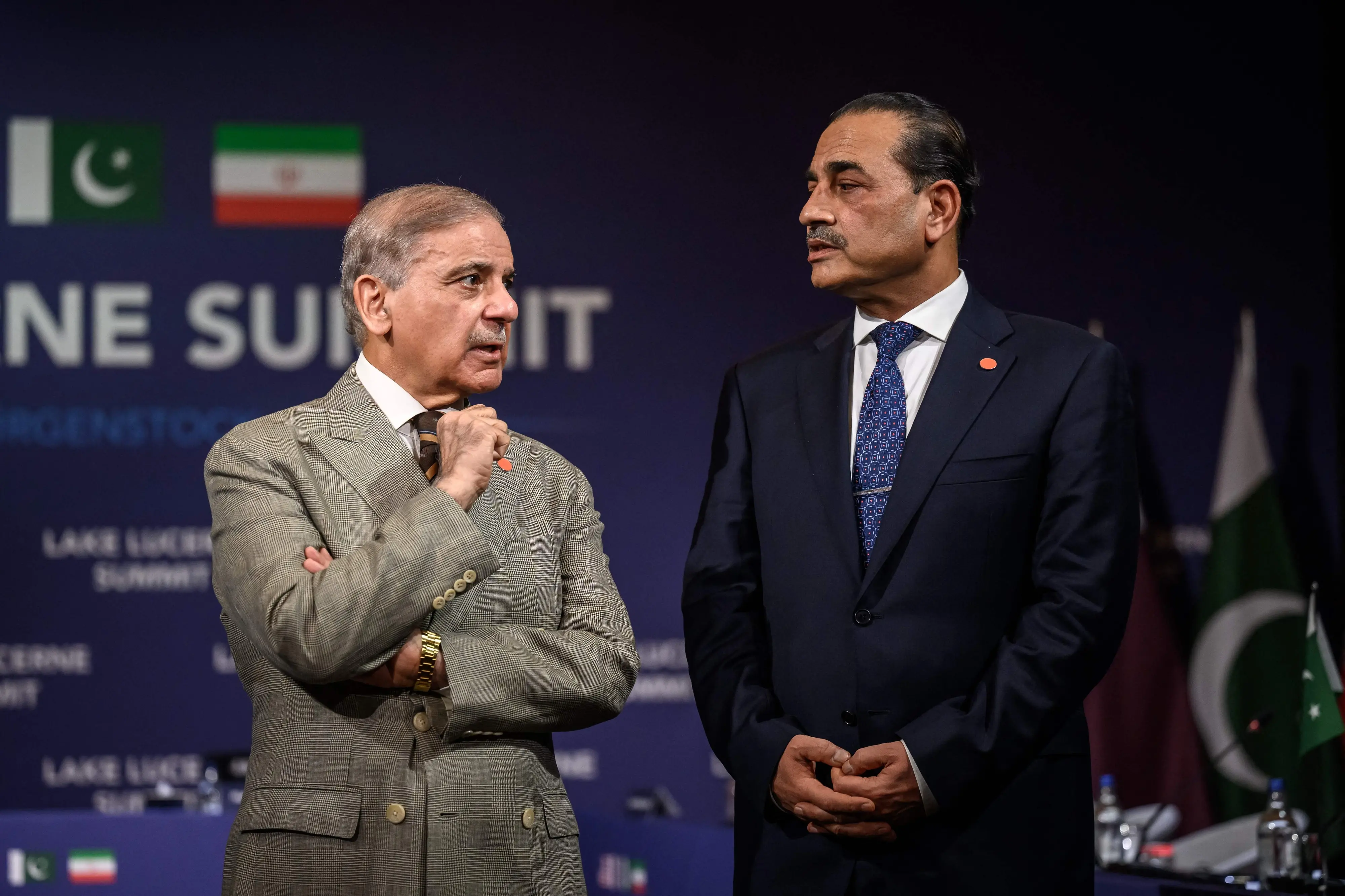
Islamabad: Pakistan has formed a high-level committee on population management that includes Field Marshal Asim Munir, further expanding the military chief's role in civilian policymaking. The move comes as Islamabad looks to address rapid population growth alongside broader economic challenges.
Pakistan has constituted a high-level committee to address the country's growing population, with Field Marshal Asim Munir named among its members. The committee was announced by Health Minister Syed Mustafa Kamal during a parliamentary meeting, where he said Prime Minister Shehbaz Sharif had prioritised population management through a series of high-level consultations.
Besides Munir, the panel includes Finance Minister Muhammad Aurangzeb and Planning Minister Ahsan Iqbal. According to the government, the committee will examine policy measures aimed at slowing population growth and improving access to family planning services.
Why population has become a priority
Pakistan is the world's fifth most populous country, with the 2023 digital census recording a population of around 241.5 million and an annual growth rate of 2.55%. Officials have warned that if current trends continue, Pakistan could become the world's fourth most populous country by the end of the decade.
Health Minister Kamal told lawmakers that nearly 6.7 million births are recorded annually and argued that expanding access to family planning could significantly reduce future population growth.
The government is also reviewing broader policy measures, including possible changes to the National Finance Commission (NFC) Award formula, which currently allocates most federal resources based on population size. Officials believe the existing formula may unintentionally discourage population control efforts.
Asim Munir's expanding role
Munir's inclusion in the committee highlights the military chief's growing involvement beyond traditional defence responsibilities.
Originally appointed Army Chief in 2022, he was promoted to the rank of Field Marshal after the 2025 India-Pakistan military conflict. Pakistan later created the post of Chief of Defence Forces, giving Munir unified command over the country's armed forces.
In recent years, he has also become part of several important civilian decision-making bodies, including the Special Investment Facilitation Council (SIFC), which oversees investment and economic coordination. His appointment to the population management committee further broadens his influence across government policy.
Challenges ahead
Population welfare became primarily a provincial responsibility after Pakistan's 18th Constitutional Amendment. During the Senate committee meeting, lawmakers questioned how the federal government could implement nationwide reforms without provincial cooperation.
Officials from the Ministry of Law reportedly noted that Parliament cannot legislate on matters exclusively assigned to provincial governments, prompting calls for consultations involving legal experts, provincial authorities and religious scholars before any nationwide policy is introduced.
Family planning and healthcare
Government officials identified limited access to contraceptives as one of the reasons behind Pakistan's high birth rate. Authorities said tax exemptions have already been introduced on contraceptive products to improve affordability.
Representatives of Pakistan's Council of Islamic Ideology also informed lawmakers that there was no major sectarian disagreement over measures aimed at addressing rapid population growth, potentially easing one obstacle to future policy reforms.
The formation of the committee reflects Pakistan's growing concern over the long-term economic impact of rapid population growth. At the same time, Asim Munir's inclusion illustrates the increasingly prominent role of the military leadership in policymaking beyond national security.
Whether the committee's recommendations translate into nationwide reforms will depend largely on coordination between the federal government and Pakistan's provinces, where constitutional authority over population welfare largely rests.