The sex scandal that led Archbishop of Canterbury Justin Welby to resign
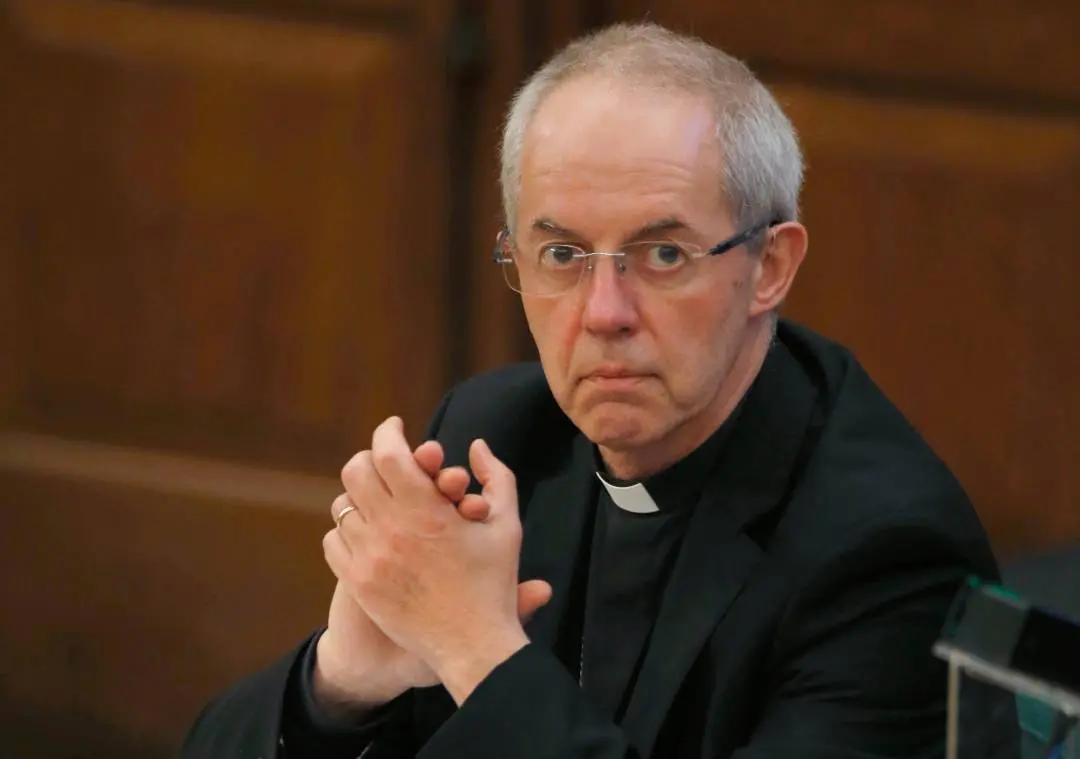
Archbishop of Canterbury Justin Welby, leader of the Church of England and the global Anglican Communion, resigned Tuesday after an independent investigation revealed he failed to report serial abuse by a volunteer at Christian summer camps. The resignation comes after growing pressure from church leaders and victims, marking a dramatic turn in the church's handling of sexual abuse cases.
Who is Justin Welby and what is the Archbishop of Canterbury?
Justin Welby, 68, became the Archbishop of Canterbury in 2013. Before entering the priesthood, Welby worked in the oil industry for 11 years, leaving to pursue a religious career in 1989. After being ordained in 1992, he became involved in ministry in Africa and the Middle East. Known for his diplomatic skills, Welby played a pivotal role in conflict resolution but struggled to unite the Anglican Communion over issues such as the role of women and LGBTQ+ rights. His resignation follows his involvement in a major sexual abuse scandal that has rocked the church.
The Archbishop of Canterbury is the highest-ranking cleric in the Church of England and serves as the spiritual leader of the worldwide Anglican Communion. As the “first among equals,” the Archbishop is considered the primary representative of Anglicanism globally. Though each of the 46 churches in the Anglican Communion has its own leader, the Archbishop of Canterbury is seen as the unifying figure and carries significant influence, both in religious matters and in inter-church dialogue.
Why led to the resignation of Justin Welby?
Justin Welby’s resignation follows the release of an independent report by the Makin Review into the sexual abuse committed by John Smyth, a former volunteer at Christian summer camps. The report found that Welby failed to inform law enforcement of the abuse when he first became aware of it in 2013. Had Welby reported the abuse earlier, many victims could have been spared further trauma. Initially, Welby claimed he had been misinformed that police were already investigating, but after growing criticism, he accepted responsibility for the delay in action and stepped down.
The Church of England has faced numerous allegations of sexual abuse over the years. A 2022 government inquiry revealed that 390 people associated with the church had been convicted of child sexual abuse between the 1940s and 2018. The report highlighted a culture within the church that enabled abusers to operate with relative impunity, citing the deference shown to priests and the reluctance to challenge authority figures. Despite these ongoing issues, Welby was credited with improving safeguarding protocols during his tenure as Archbishop.
Divisions within the Anglican Communion
The Anglican Communion, while united in many aspects of doctrine and practice, has long been divided over issues such as the ordination of women, same-sex marriage, and the role of LGBTQ+ individuals in the church. Churches in England, the U.S., and other Western countries have made strides in becoming more inclusive, whereas some African and Asian provinces have resisted these changes, leading to tension within the Communion. These divisions have weakened the Archbishop of Canterbury's authority in recent years, particularly as the global Anglican Church has struggled to reconcile these differences.
What is the Church of England?
The Church of England is a Christian denomination and the national church of England. Established in the 16th century when King Henry VIII broke away from the Roman Catholic Church, it became the founding member of the Anglican Communion. The Church of England has over 85 million members worldwide and is led by the monarch of Britain, who serves as its Supreme Governor. The church’s governance includes bishops and a clergy that administer to parishes and communities across the country.
What will happen next?
The process to select Welby’s successor will begin with the Crown Nominations Commission, which will nominate candidates for the Archbishop role. The commission, which includes representatives of the clergy, laypeople, and the Anglican Communion, will submit a preferred candidate and an alternative to Prime Minister Keir Starmer. Starmer will then advise King Charles III on the final choice. As the Church of England faces this scandal, the appointment of a new Archbishop is seen as a critical step toward rebuilding trust and ensuring accountability within the church.
(With inputs from AP)