Who owns Elvis’s music in the AI era? Anthropic faces lawsuit
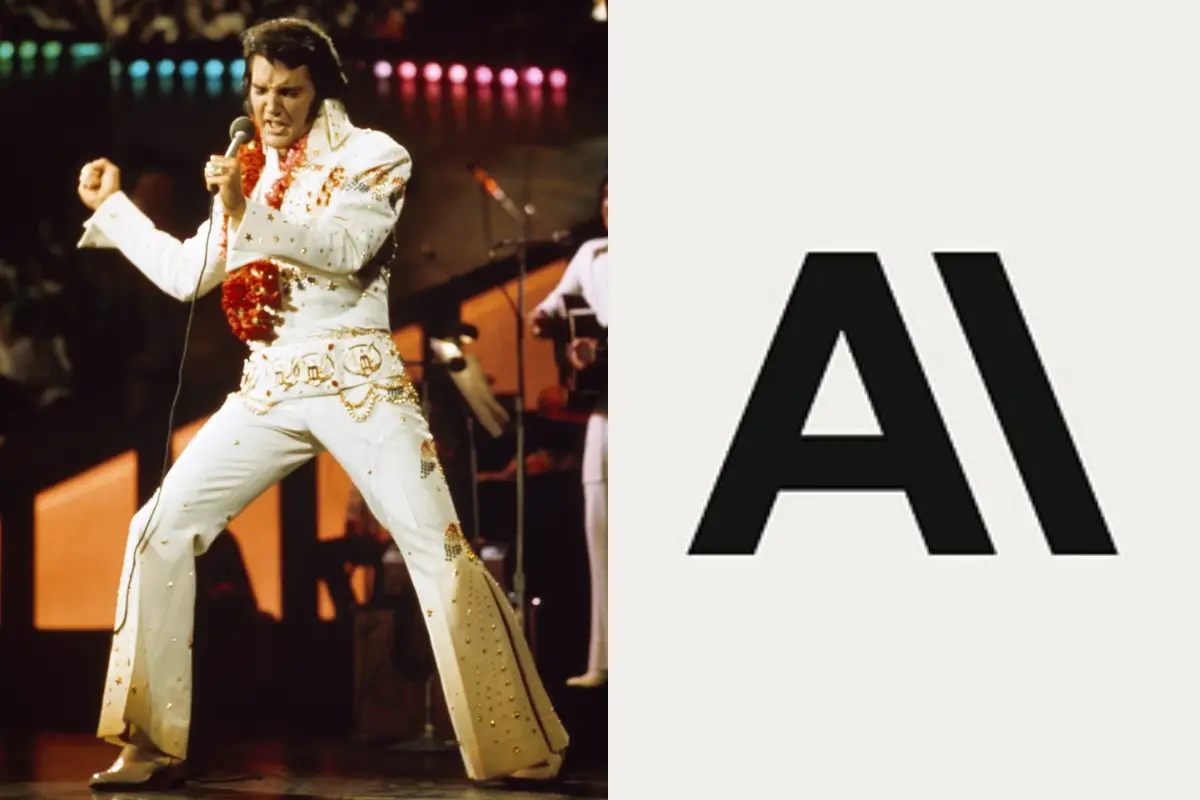
Elvis Presley’s music has entered the growing legal battle over artificial intelligence, with the rights holders of 274 songs associated with the legendary singer suing AI company Anthropic over alleged copyright infringement.
The lawsuit was filed on October 23, 2026, in the US District Court for the Northern District of California. The plaintiffs, including entities associated with Authentic Brands Group, which controls key intellectual property and licensing rights linked to Presley, allege that Anthropic used copyrighted songs without obtaining permission or paying the relevant rights holders.
The songs named in the complaint include some of Presley’s best-known hits, such as Can’t Help Falling in Love, Don’t Be Cruel, All Shook Up, A Little Less Conversation and Return to Sender.
Anthropic develops Claude, an artificial intelligence assistant that can generate text and respond to user prompts. The lawsuit alleges that copyrighted music was used in developing its AI models and that the company’s systems can also produce material resembling protected songs.
Why are Elvis Presley’s songs part of the lawsuit?
According to the complaint, Anthropic allegedly copied the 274 songs without a licence and retained copyrighted material in an internal repository for use in training successive versions of its Claude models.
The plaintiffs also allege that the AI system can generate song lyrics and adaptations that closely resemble existing works. They claim that some outputs retain the structure, hooks and arrangements of original songs even when certain words are changed.
The complaint further argues that safeguards introduced to prevent Claude from reproducing copyrighted music have not been effective enough. The plaintiffs allege that Anthropic knew these measures were inadequate but continued the practices in question. These are claims made in the lawsuit and have not been established as court findings.
Lead attorney Richard Busch accused Anthropic of building its business on copyright infringement. The legal action seeks to protect the rights holders’ control over how the music is copied, used and reproduced.
How much compensation are the plaintiffs seeking?
The rights holders are seeking statutory damages of up to $150,000 for each allegedly infringed song. Applied to all 274 tracks, that amounts to approximately $41.1 million.
The reported claim also includes additional damages relating to alleged circumvention of copyright protections and removal of copyright management information. One report puts the total demand at approximately $48.6 million, although the precise amount sought may depend on the claims and remedies pursued in the proceedings.
The amount claimed is not a sum that Anthropic has been ordered to pay. Any liability and damages will depend on the outcome of the case.
Anthropic rejects the allegations
Anthropic has disputed the claims and said it intends to defend itself in court.
A company spokesperson told news organisations that Anthropic disagreed with the allegations and planned to defend the lawsuit fully.
The case will therefore examine the plaintiffs’ allegations about the use and retention of copyrighted music, as well as the claims concerning the material Claude can generate.
Why AI companies are facing copyright lawsuits
AI models are developed by training them on large datasets, which can include text and other material collected from different sources. Rights holders argue that using copyrighted work without authorisation can violate their exclusive rights, particularly when AI systems reproduce lyrics or generate material closely resembling existing songs.
Technology companies, meanwhile, have argued in various copyright disputes that some uses of copyrighted material to train AI can be legally permitted. Whether a particular use is lawful depends on the circumstances and applicable law.
The Elvis Presley case is notable because it brings the rights holders of a specific artist’s catalogue into a legal challenge against an AI developer. Its outcome could contribute to the wider debate over licensing, training data and the limits of AI-generated content.
Anthropic faces wider music copyright disputes
The lawsuit comes amid other legal challenges involving music and artificial intelligence.
In 2023, Universal Music Publishing Group, Concord Music Group and ABKCO sued Anthropic over allegations that its Claude models reproduced copyrighted song lyrics without permission. The dispute later expanded, with music publishers pursuing further claims over a larger catalogue of works. Sony Music Publishing and Warner Chappell Music also filed a separate lawsuit in 2026 over alleged unauthorised use of copyrighted music.
AI music-generation platform Suno has also faced legal action from major music companies, including Universal Music Group, Sony and Warner-related labels, over the alleged use of copyrighted recordings. Suno later reached a settlement with Warner Music Group and announced plans to work with the music industry, while other disputes continued.
Musicians and rights holders have raised concerns that AI systems could reproduce recognisable elements of existing songs, imitate artists’ voices or compete with music made by human performers.
Spotify, meanwhile, said it had removed around 50 million tracks it considered AI-generated spam from its recommendations over the previous year, according to a report by The Guardian.
Authors have also challenged AI training practices
The dispute over Elvis Presley’s music reflects a broader conflict between AI developers and creators in other fields, including publishing.
Authors have brought legal action against AI companies over allegations that books were used to train large language models without permission. Anthropic agreed to a reported $1.5 billion settlement in a separate case involving authors whose works were allegedly used without authorisation. That settlement is separate from the Elvis Presley lawsuit.
Writer Arundhati Roy has also criticised the use of authors’ work in AI training. In her essay Apocalypse Now and Then, she described receiving a settlement notice connected to a class-action lawsuit and objected to the proposed compensation in view of the time and effort involved in writing her books.
These disputes highlight a central question for the creative industries: how can AI companies develop their systems while respecting the rights of the people whose work may be used in training?
What the Elvis Presley lawsuit could mean for AI
The case goes beyond the use of a single artist’s music. It raises questions about whether AI developers can copy and retain copyrighted works for training, what permissions may be required and whether safeguards against reproducing protected material are sufficient.
If the plaintiffs establish their claims, the proceedings could increase pressure on AI companies to secure licences, improve documentation of training datasets and strengthen measures designed to prevent unauthorised reproduction. However, the lawsuit alone does not establish that all AI training on copyrighted material is unlawful.
For musicians and publishers, the dispute concerns both control over their catalogues and the possibility that AI-generated material could imitate their work without compensation. For technology companies, it concerns the legal boundaries of using existing creative material to develop commercial AI products.
The court’s handling of the claims could help clarify how copyright law applies to AI training and generated outputs. Until then, the allegations against Anthropic remain contested.