Airports shut across Middle East as Israel-Iran conflict closes regional airspace
Beirut: As Israeli airstrikes intensify across Iran and Iranian retaliation escalates, the region’s skies have become battlegrounds--grounding flights, stranding passengers, and sealing off escape routes for thousands desperate to flee the violence.
Aimal Hussein, a 55-year-old Afghan businessman, found himself trapped after Israeli missiles struck near his hotel in Qom, a city just south of Tehran. Unable to fly out due to Iran’s airspace closure, he fled to the capital but found no way to reach the border.
“Flights, markets, everything is closed, and I am living in the basement of a small hotel,” Hussein told the Associated Press by phone on Monday. “I am trying to get to the border by taxi, but they are hard to find, and no one is taking us.”
Since Friday, Israel has launched a sustained aerial assault targeting high-value sites including Tehran and other key Iranian cities. Senior military officials and nuclear scientists have reportedly been killed, and infrastructure such as a nuclear enrichment site near Qom has been destroyed. Iran has responded with hundreds of missiles and drones in what many now fear could be the early stages of a broader regional war.
Airports closed, Airspace locked down
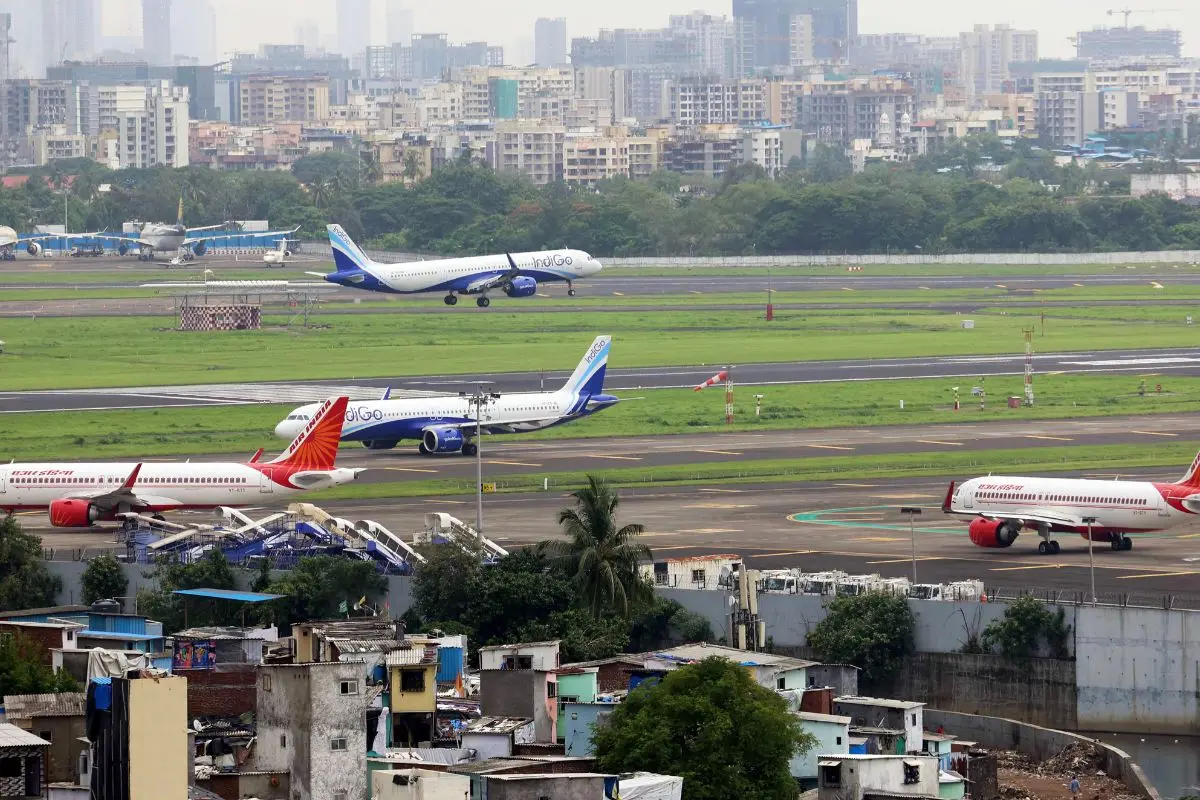
With Iran and neighbouring countries closing their airspace, commercial aviation across the Middle East has come to a standstill. Dozens of airports are either fully shut or operating at minimal capacity, leaving tens of thousands of travellers stranded across multiple countries.
“The domino effect here is massive,” said John Cox, a retired airline captain and aviation safety analyst. “You’ve got thousands of passengers suddenly not where they’re supposed to be, crews displaced, aircraft grounded--it’s a logistical nightmare with a huge economic toll.”
Israel has shut Ben Gurion International Airport “until further notice,” displacing over 50,000 Israeli travellers overseas. National carrier El Al has diverted its fleet to Larnaca, Cyprus, joining other Israeli flights from Berlin, New York, and elsewhere.
“I’m debating what to do,” said 50-year-old Zvika Berg, who was rerouted to Cyprus mid-flight. He is now stranded in Larnaca, speaking to his family in Jerusalem while watching the situation deteriorate.
In Tel Aviv, Mahala Finkleman is sheltering in a hotel basement after her Air Canada flight was cancelled. “We hear the booms. Sometimes there’s shaking,” she said. “The truth is, it’s even scarier to watch it on TV, seeing what’s happening above your head while you’re hiding underground.”
The Israeli government has urged its citizens not to attempt to exit the country via border crossings into Jordan or Egypt, citing “a high risk of threat” to Israelis in those neighbouring states despite existing diplomatic ties.
Students, migrants trapped in war zones
Thousands of international students are also trapped, with no sign of evacuation. Arsalan Ahmed, an Indian medical student in Tehran, said he and fellow students remain in their dormitories, fearing for their lives.
“It’s terrifying,” he said. “The television shows enough, but it’s the explosions you don’t see that make your heart stop.”
Iranian universities have begun relocating students from high-risk areas, but India and several other nations have not yet outlined formal evacuation plans.
The closures have thrown international travel into chaos and disrupted key aviation corridors across the region. Mehrabad Airport in Tehran, a hub for domestic and military operations, was reportedly hit in one of the early Israeli raids. Flights through Khomeini International Airport were suspended shortly after.