‘Controversial’ Kafala system ends in Saudi Arabia; over 2 million Indians set to benefit
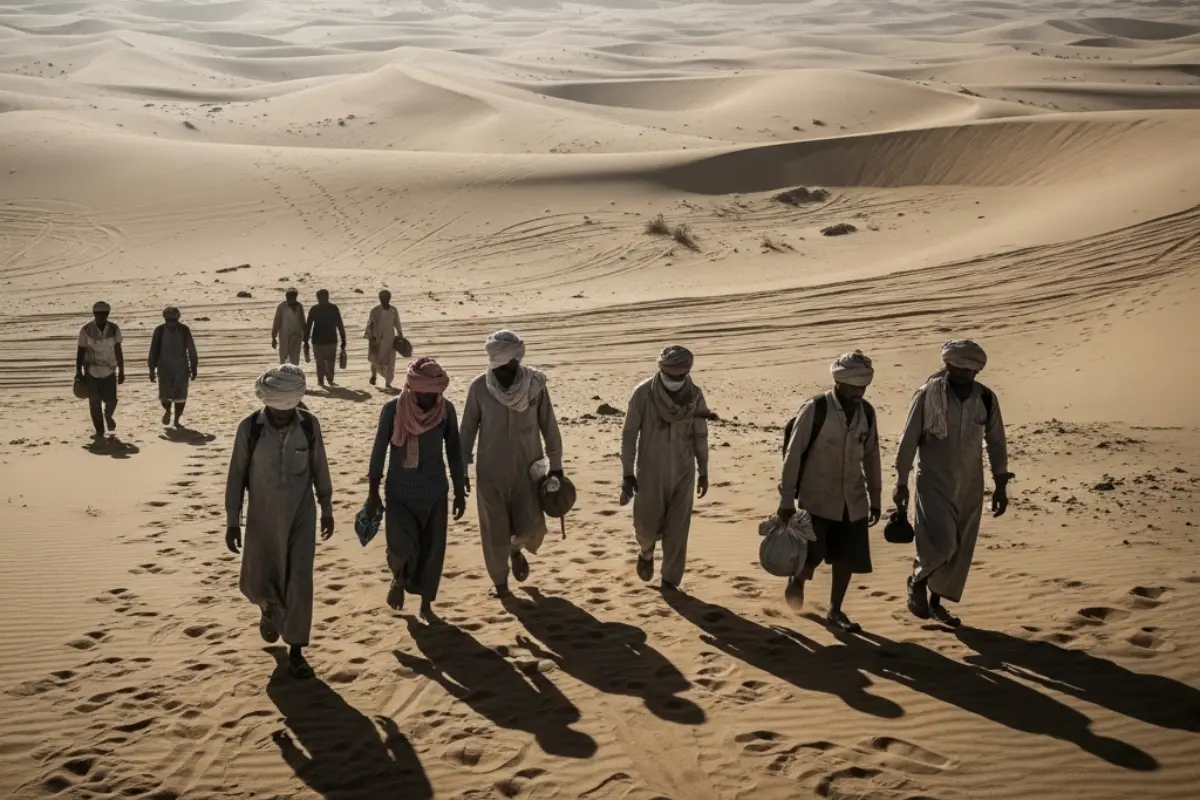
Riyadh: Saudi Arabia has abolished the five-decade-old Kafala labour sponsorship system that allowed Kafala (employers) to have inhuman control over employees, including seizing travel documents and making decisions on when they could change their jobs or leave the country, reports confirmed on Wednesday.
Saudi Arabia had announced plans to end the Kafala labour system in June as part of Crown Prince Mohammed bin Salman's 'Vision 2030' - a multi-trillion-dollar plan to clean the country's image to attract foreign investment, especially before global events, including the 2029 Asian Winter Games, and reforms.
It is expected that around 13 million foreign workers, including 2.5 million Indians, will benefit from Saudi Arabia's decision.
According to the official statement, Vision 2030 is a blueprint that is diversifying the economy, empowering citizens, creating a vibrant environment for both local and international investors, and establishing Saudi Arabia as a global leader.
The labour sponsorship system introduced in the 1950s was aimed at controlling the flow of skilled and unskilled foreign labourers from India and other southeast Asian countries. This was important for building the economy of Saudi Arabia, as many were made to work in the construction or manufacturing sectors.
In order to make sure that the economy was not overrun by the incoming labourers, all of them were 'tied' to Kafala, which could be a person or a firm acting as their 'sponsor'. This 'sponsor' was given unholy control over the foreign worker. The 'sponsor' used to control the life of the labourer, including making decisions regarding their workplace, stealing wages, and even deciding where they could live.
The labourer did not even have the power to file an abuse charge without the permission of the abuser. However, the system was not that bad for skilled or white-collar workers. Labour and human rights activists have severely criticised it for years.
Earlier in 2023, the International Labour Organisation (ILO) noted that immigration sponsorship systems are common in many parts of the world. However, it said that the sponsorship arrangements that exist in the Middle East, often called the Kafala system, severely reduce migrant workers' power to leave an employer and create risks of human rights abuses and labour exploitation, including forced labour, and hinder their internal labour market mobility. IANS