Why did gold prices fall after a record-breaking rally?
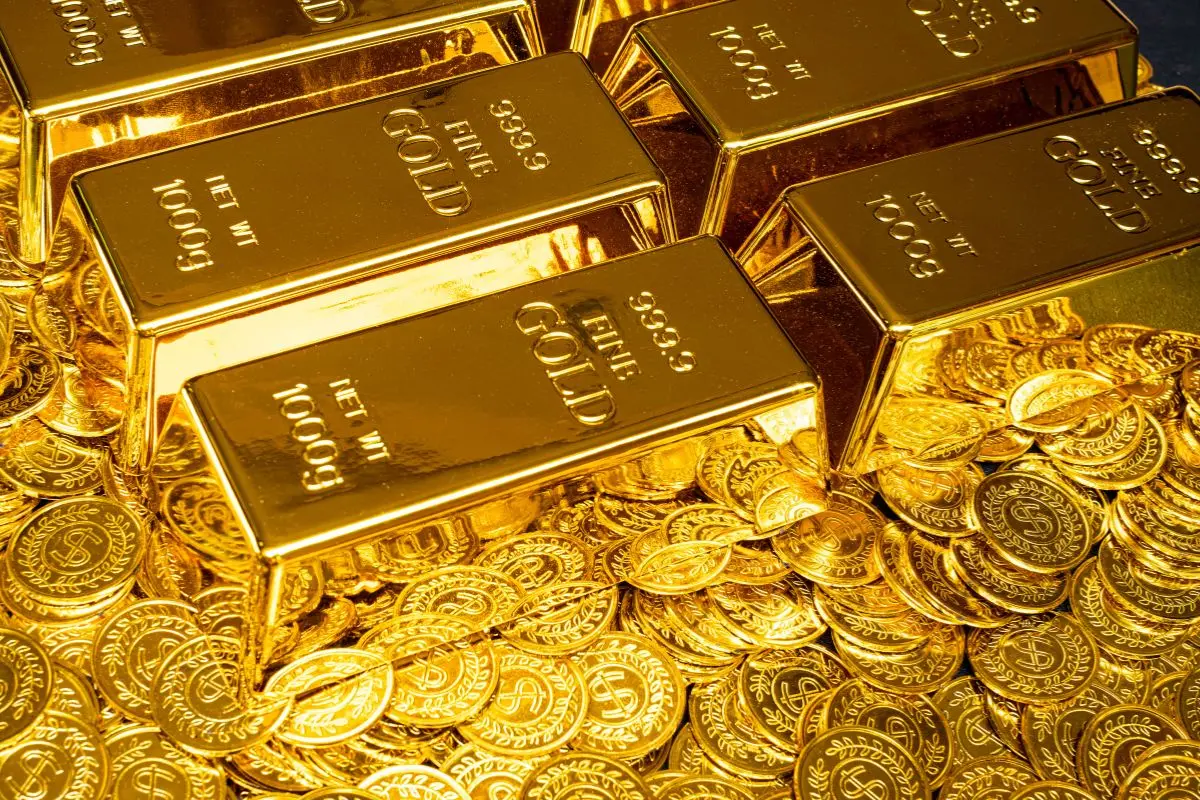
Gold prices fell on Thursday, snapping a record-breaking rally, as easing geopolitical tensions reduced safe-haven demand and a stronger US dollar added pressure. Investors also locked in profits after bullion touched successive all-time highs earlier in the week, leading to a broad pullback across precious metals.
Easing Greenland tensions cool safe-haven demand
The main trigger for the decline was a shift in tone from US President Donald Trump on tariffs and Greenland. After previously threatening tariffs on European countries opposing a US takeover of Greenland, Trump signalled that those measures would not go ahead. He also ruled out the use of force and indicated progress towards a long-term arrangement with Denmark-linked authorities following talks with NATO Secretary General Mark Rutte.
The proposed framework focuses on cooperation in Arctic security, mineral rights and participation in the so-called Golden Dome initiative, and is intended to last indefinitely. This softening stance eased fears of a major transatlantic rupture, reducing the need for investors to seek safety in gold.
As geopolitical risks cooled, spot gold fell nearly 1 per cent to around USD 4,793 per ounce in early Asian trade, after hitting a record peak of about USD 4,888 in the previous session. US gold futures for February delivery slipped by a similar margin to about USD 4,790 per ounce.
Dollar strength and profit booking weigh on metals
The retreat in gold was reinforced by a firmer US dollar and gains in Wall Street indices, both of which followed news of the tariff reversal. A stronger dollar makes dollar-priced commodities more expensive for overseas buyers, dampening demand.
In international markets, gold eased by up to 1 per cent after three straight sessions of gains, while spot silver slipped about 0.9 per cent to roughly USD 92.38 per ounce, moving away from its recent record high of USD 95.87. Despite the correction, gold’s longer-term performance remains strong, having surged 64 per cent in 2025 and risen 11 per cent so far in 2026.
Indian markets, outlook and physical rates
In India, MCX gold futures for February 5, 2026 dropped nearly Rs 3,000, or 1.7 per cent, to Rs 1,50,140 per 10 grams. Silver futures for March 5, 2026 delivery moved the other way, jumping Rs 7,100, or 2.2 per cent, to Rs 3,25,602 per kg.
Market participants expect continued volatility this week due to swings in the dollar index, upcoming US jobless claims data and lingering geopolitical developments. Analysts advise caution, suggesting investors avoid fresh positions until clearer stability emerges.
In physical markets, 22-carat gold prices stand at Rs 1,14,968 per 8 grams in Delhi, Rs 1,14,848 in Mumbai, Rs 1,14,328 in Chennai and Rs 1,14,848 in Hyderabad. For 24-carat gold, prices are Rs 1,25,408 in Delhi, Rs 1,25,288 in Mumbai, Rs 1,25,816 in Chennai and Rs 1,25,288 in Hyderabad.