Trump's temporary tariff on Indian goods ends July 24: Four possible outcomes explained
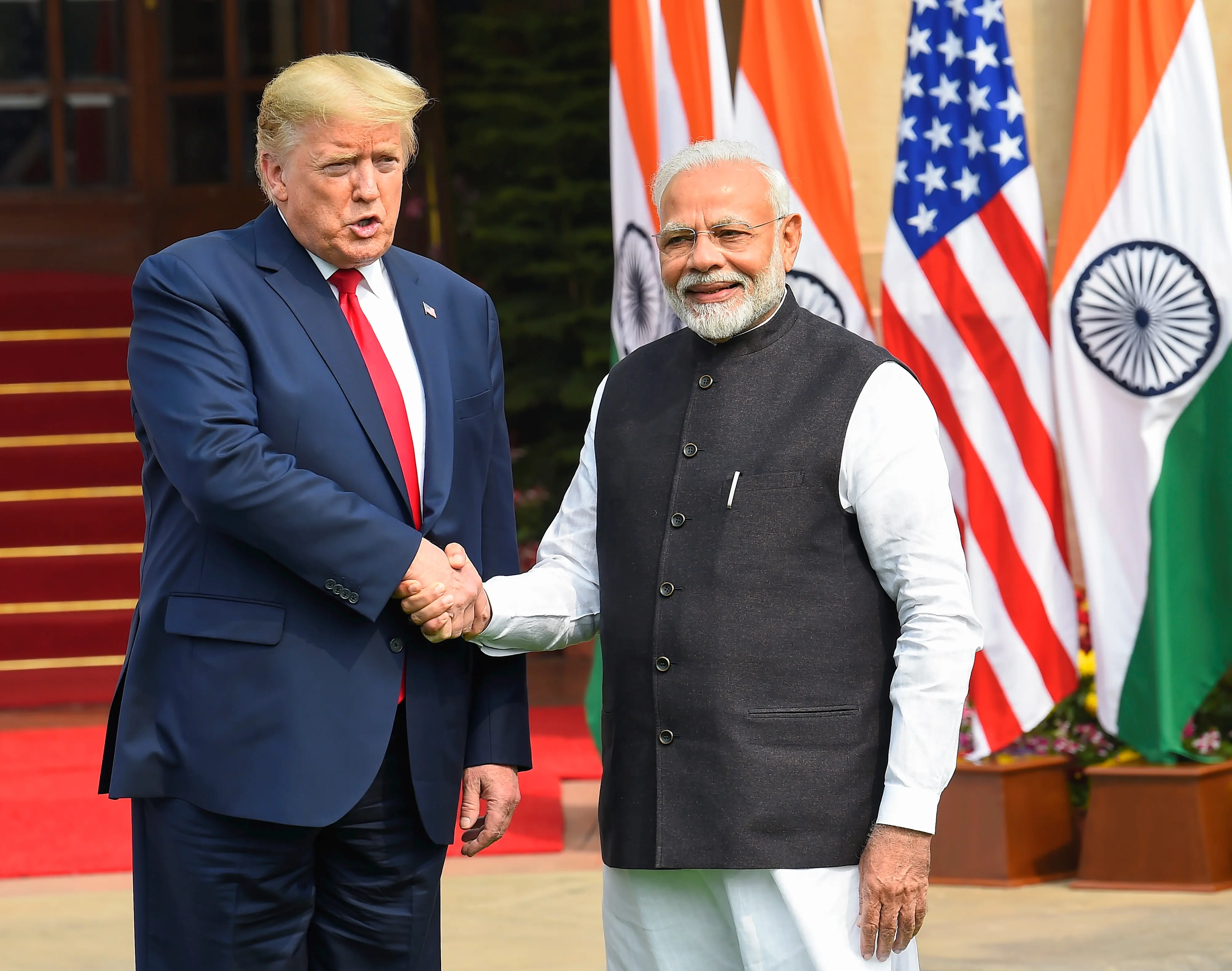
The temporary 10% tariff imposed by the Donald Trump administration on most Indian goods entering the United States is set to expire on July 24, 2026, creating uncertainty for exporters and businesses.
While the tariff was introduced as a temporary measure, its expiry does not necessarily mean Indian goods will become tariff-free. Instead, the US has several options, including imposing fresh duties, extending the existing tariff or finalising an interim trade agreement with India.
Why is the tariff expiring?
The 10% tariff was imposed under Section 122 of the US Trade Act of 1974, which allows the US president to introduce temporary import duties to address balance-of-payments concerns. Since the law limits how long such tariffs can remain in force, the measure automatically expires on July 24 unless another legal mechanism replaces it.
The expiry affects India as well as several other US trading partners that have been subject to the same temporary tariff.
What tariffs do Indian goods currently face?
Most Indian exports currently attract the additional 10% tariff along with the standard Most Favoured Nation (MFN) duty that varies depending on the product.
However, some products already face much higher tariffs that will continue even after July 24. Steel, aluminium and related products remain subject to a 50% tariff, while automobiles and auto parts continue to face a 25% duty under separate US trade laws.
Major export categories such as smartphones, laptops, semiconductor products, pharmaceuticals, energy products and critical minerals remain exempt from the additional tariff. These sectors account for nearly half of India's merchandise exports to the United States.
Why is a new tariff possible?
The Trump administration has launched two investigations against India under Section 301 of the Trade Act of 1974, which allows the US to impose tariffs on countries found to be engaging in unfair trade practices.
One investigation focuses on alleged forced labour in Indian supply chains and has already resulted in a proposal for an additional 12.5% tariff. India has rejected the allegation. A second investigation into excess manufacturing capacity is still ongoing and could lead to further duties.
Unlike the temporary Section 122 tariff, Section 301 duties have no fixed expiry and can remain in force for years.
Interim trade deal remains unsigned
India and the United States have been negotiating an interim trade agreement that would reduce tariffs while expanding trade between the two countries.
Under the proposed framework, tariffs on Indian goods would be reduced to 18%, while India would provide greater market access to selected American products and increase imports from the US.
However, the agreement has not been signed after the US Supreme Court struck down the legal basis of Trump's earlier tariff regime, forcing Washington to explore alternative legal options.
Russian oil purchases add another challenge
Apart from trade investigations, India also faces uncertainty over a proposed US Senate bill targeting countries that continue purchasing Russian oil and natural gas.
The legislation proposes tariffs of up to 100% on major buyers of Russian energy, including India. Although the bill has not yet become law and includes a presidential waiver provision, it represents another potential source of trade pressure.
What could happen after July 24?
Trade experts believe four possible outcomes remain.
The additional 10% tariff could simply expire, allowing Indian goods to return to normal tariff rates, although this is widely considered the least likely option.
Congress could approve an extension of the existing tariff, though legal challenges make this uncertain.
The Trump administration could replace the temporary duty with new Section 301 tariffs based on the ongoing investigations into India.
Alternatively, Washington could rely on another trade law, similar to the mechanism recently used against Canada, to introduce fresh duties.
Many analysts believe replacing the temporary tariff with new Section 301 duties is currently the most likely scenario.
What it means for India
With the July 24 deadline approaching, Indian exporters remain uncertain about future access to one of their largest overseas markets.
Much will depend on whether the two countries conclude their interim trade agreement or whether Washington opts for fresh tariff measures. Until then, businesses on both sides will be closely watching the US administration's next move, as it could significantly influence India-US trade in the coming months.