Trump-era tariffs overturned: How will US businesses get their billions back?
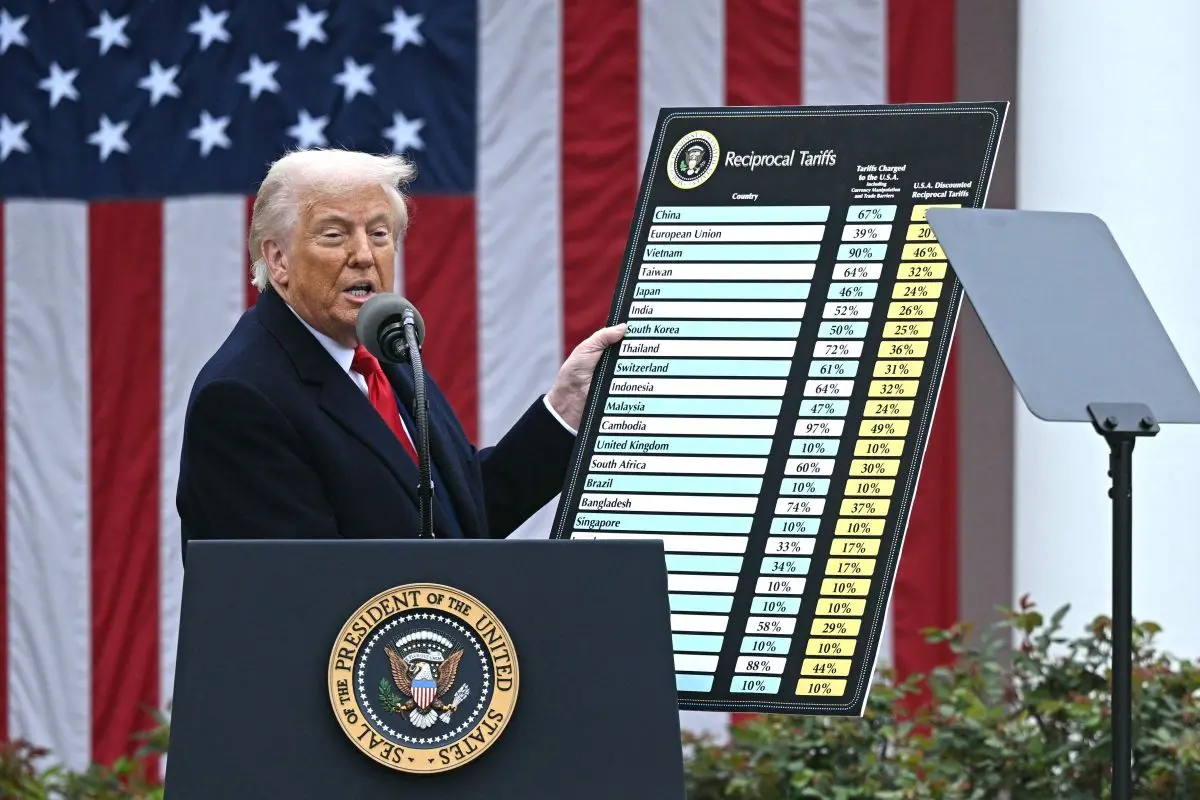
Washington: The U S Supreme Court on Friday ruled that tariffs imposed by former President Donald Trump under an economic emergency law were illegal, but did not specify how the government should refund the estimated $175 billion collected.
Also Read | US Supreme Court blocks Trump's broad tariffs, limiting presidential economic powers
How tariffs are collected
Importers typically post a bond with U S Customs and Border Protection and pay an estimated tariff on goods entering the country. A final determination, known as liquidation, usually occurs 314 days after entry, with excess payments refunded or shortages collected. Importers had sought to pause this process while the Supreme Court considered the case, but the U S Court of International Trade denied the request, according to Reuters.
Refunds remain unclear
The Supreme Court did not provide guidance on refunds. In a dissenting opinion, Justice Brett Kavanaugh warned the ruling could create “serious practical consequences,” including a complex refund process. The case will return to the Court of International Trade to handle repayments.
Potential impact on importers
Over 1,000 lawsuits have already been filed seeking refunds, and more are expected. Importers may need to sue individually, as class actions are unlikely, and have two years to claim refunds under U S trade law. Smaller businesses could face disproportionate challenges, with some potentially abandoning claims due to legal costs.
Also Read | US equities rise as Supreme Court strikes down key Trump tariffs
Historical precedent
The Court of International Trade has managed large-scale refunds before. Following a Supreme Court ruling in 1998 on the constitutionality of a harbour maintenance tax, the court oversaw repayments to over 100,000 claimants. Experts say improved government recordkeeping should ease the process, though disputes may arise if the paying company was not the importer of record.
Long process expected
Trade groups warn that distributing refunds could take years. Even after repayment, contractual arrangements between importers and the companies that ultimately bore the tariff could trigger further legal disputes, as per Reuters.