UPI charges from October 15: Will you have to pay more when you scan and pay?
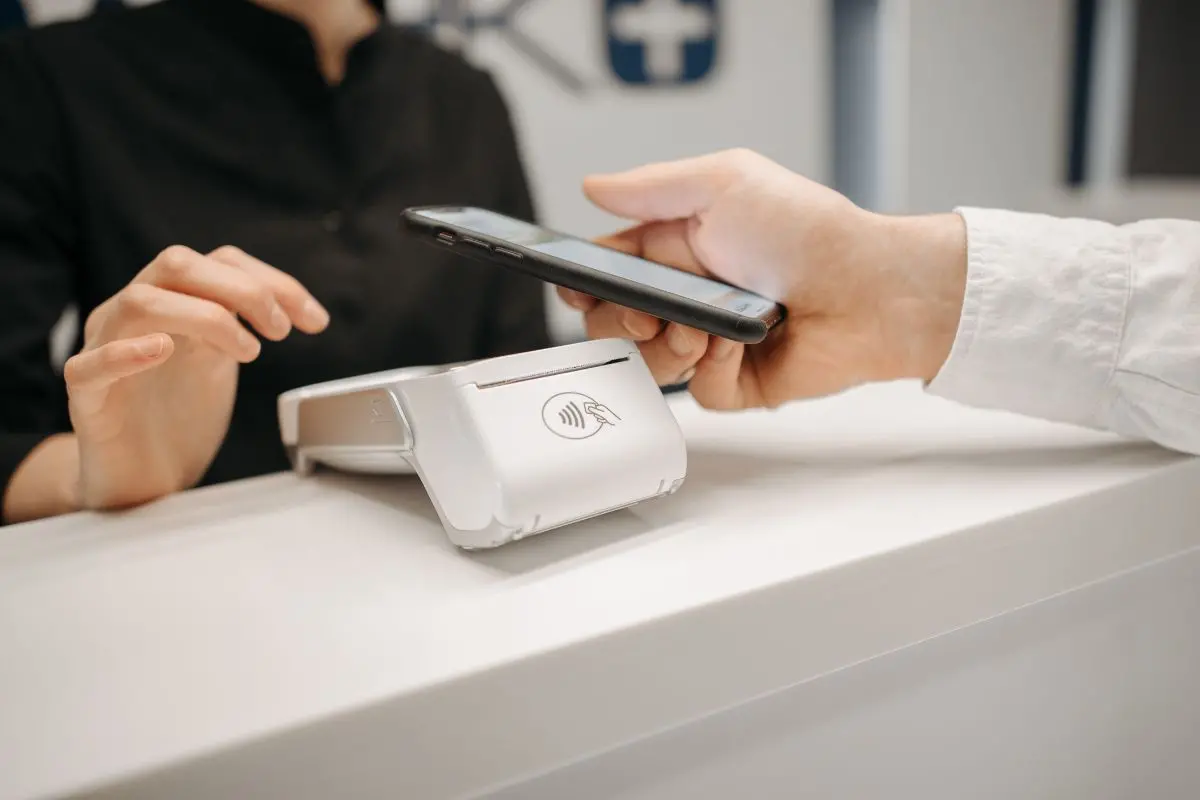
New Delhi: Worried that UPI payments will no longer be free in India? For most people, there is little to worry about.
From October 15, some UPI transactions will attract a Merchant Discount Rate (MDR). But the charge will generally be paid by the merchant, not the customer. Sending money to another person will also remain free.
So, whether you will be affected depends mainly on what you are paying for and who is receiving the money.
Sending money to a friend? No charge
If a friend asks you to transfer Rs 10,000, you can continue to do so without paying a transaction fee.
All person-to-person UPI payments will remain free, regardless of the amount involved.
So, sending rent to a friend, splitting a holiday bill or transferring money to a family member will not attract the new charge.
Buying groceries for Rs 1,500? Still free
Payments of up to Rs 2,000 to merchants will not attract MDR.
For example, if your grocery bill is Rs 1,500 and you pay by scanning the shop's UPI QR code, you pay exactly Rs 1,500.
Small merchants also get protection under the new framework. Those receiving up to Rs 1 lakh a month through UPI will not have to pay the charge.
What if your bill is above Rs 2,000?
This is where the new system comes in.
For merchant payments above Rs 2,000, an MDR of 0.4% will apply, capped at Rs 300 per transaction.
But the customer is not supposed to pay this amount.
Suppose you buy a laptop for Rs 50,000 and pay through UPI. The MDR would work out to Rs 200. You still pay Rs 50,000. The seller bears the MDR.
The same applies to other large purchases, such as expensive electronics, furniture or jewellery, subject to the applicable category.
What about fuel and railway tickets?
Some sectors will have a different flat charge.
For transactions above Rs 2,000 involving sectors such as railways, fuel, telecommunications, insurance and agricultural inputs, a Rs 5 charge will apply.
For example, if you fill fuel worth Rs 4,000 and pay by UPI, the applicable MDR is Rs 5. You should still pay Rs 4,000, with the fuel merchant bearing the charge.
Similarly, if you book a railway ticket costing Rs 3,000, the applicable charge is Rs 5, but it is not meant to be added to your UPI payment as a separate customer charge.
Buying shares or mutual funds? Different rate
UPI payments linked to capital-market transactions will have an MDR of 0.02%, capped at Rs 300 per transaction.
ALSO READ | UPI fee rules change the game for PhonePe as IPO plans return to focus
So, if you use UPI to make a Rs 1 lakh payment towards a capital-market transaction, the applicable MDR would be Rs 20.
Again, the framework concerns the merchant side of the transaction rather than introducing a general fee for individuals using UPI.
Can a shopkeeper add the UPI charge to your bill?
The government says no.
Banks have been asked to ensure that merchants do not pass the MDR on to customers. UPI app providers are also prohibited from imposing platform fees or hidden charges on individuals for using UPI.
So, if your restaurant bill is Rs 6,000, you should not suddenly be asked to pay an additional Rs 24 as a 'UPI charge'.
Does this mean UPI is no longer free?
For ordinary users, UPI remains free for person-to-person payments and for merchant payments up to Rs 2,000.
The new charges mainly affect merchants handling larger transactions.
ALSO READ | RBI backs new MDR on payments above Rs 2,000; here’s what changes
The government estimates that 96% of person-to-merchant UPI transactions will remain free because they fall below the Rs 2,000 threshold. The remaining 4% of merchant transactions will be subject to the applicable MDR.
There is also no monthly quota on free UPI payments. The daily transaction limits set by banks and NPCI are separate security and risk-management measures and are not thresholds for charging customers.
Where does the money go?
The MDR is not a tax collected by the government.
The money will be distributed among participants in the UPI ecosystem, including banks and payment application providers. The government says this will help fund the operation, infrastructure and expansion of UPI.
A portion equivalent to 5% of the MDR collected will also go into a dedicated fund aimed at promoting UPI adoption among small merchants.
So, what changes for you from October 15?
If you use UPI to send money to another person, nothing changes.
If you buy something for Rs 2,000 or less, nothing changes.
If you make a larger purchase from a merchant, an MDR may apply, but the merchant is expected to bear it.
And if you pay for certain services such as fuel or railway tickets above Rs 2,000, a Rs 5 MDR applies to the merchant-side transaction.
In other words, the new framework changes who pays for some UPI transactions, rather than turning UPI into a fee-based service for ordinary customers.