Union budget explained in simple words: Key terms like fiscal deficit, economic survey you must know
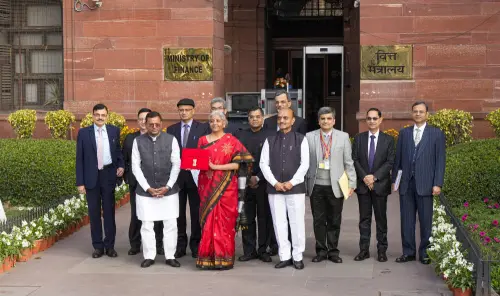
When the Union Budget is presented, many people find it hard to follow because of complex financial terms. But understanding the budget becomes easy once you know the basics. From fiscal deficit and capital expenditure to GST and tax revenue, here’s a simple guide to the most important budget terms Indians should know before Budget Day.
What is a Financial Year (FY)?
A financial year runs from April 1 to March 31. For example, FY 2025–26 starts on April 1, 2025, and ends on March 31, 2026. The government prepares its budget based on this period, and taxpayers also file returns according to it.
What is the Economic Survey?
The Economic Survey is an annual report released before the Union Budget. It reviews the country’s economic performance, challenges and growth outlook, helping shape budget decisions.
What is budget allocation?
Budget allocation means how the government divides money among sectors like healthcare, education, defence, infrastructure and agriculture. It reflects the government’s priorities and development goals.
What is the social sector?
The social sector includes government spending on healthcare, education, housing, welfare schemes and poverty reduction. Higher spending here usually means better public services and improved quality of life.
What is fiscal deficit?
Fiscal deficit is the gap between the government’s total spending and total income (excluding borrowings). Simply put, when the government spends more than it earns, the shortfall is called fiscal deficit.
A lower fiscal deficit is seen as healthy for the economy because it reduces borrowing and long-term debt.
What is revenue deficit?
Revenue deficit happens when the government’s regular income is not enough to cover its routine expenses. It signals financial stress and higher dependence on loans.
Revenue Expenditure vs Capital Expenditure
Revenue Expenditure: Day-to-day spending like salaries, subsidies and interest payments. It does not create long-term assets.
Capital Expenditure (CapEx): Spending on infrastructure like roads, railways, schools and hospitals that helps long-term economic growth.
What is tax revenue and non-tax revenue?
Tax Revenue: Income earned from taxes such as income tax, corporate tax, GST and customs duty.
Non-Tax Revenue: Income from dividends, interest, fees and profits from public sector companies.
Direct taxes vs indirect taxes
Direct Taxes: Paid directly by individuals or companies to the government, such as income tax, corporate tax and capital gains tax.
Indirect Taxes: Collected on goods and services, like GST and customs duty, but paid by consumers indirectly.
What is GST?
Goods and Services Tax (GST) is a unified indirect tax introduced in 2017 that replaced VAT, excise duty and service tax. It is charged at the point of consumption and avoids the “tax on tax” system, making taxation simpler and more transparent.
What is Corporate tax?
Corporate tax is the tax companies pay on their profits after deductions. It is a major source of government revenue.
What is Income tax?
Income tax is paid by individuals, businesses and entities based on their earnings. It is one of the most common taxes affecting salaried employees and professionals.
What is Customs duty?
Customs duty is charged on imported and exported goods. It protects domestic industries and helps generate revenue.
Tax exemption, tax avoidance and tax evasion
Tax Exemption: Legal relief that reduces taxable income, such as deductions on savings or rent.
Tax Avoidance: Using legal methods to reduce tax liability through loopholes.
Tax Evasion: Illegal non-payment of taxes by hiding income or falsifying records.
What is public debt?
Public debt is the total money the government owes to domestic and foreign lenders. High debt leads to higher interest payments and limits spending on welfare and development.
What is fiscal consolidation?
Fiscal consolidation refers to efforts by the government to reduce deficits and debt by increasing revenue and controlling spending. It helps ensure long-term economic stability.
What are Public Sector Undertakings (PSUs)?
PSUs are government-owned companies like SBI, ONGC and Indian Oil. They operate in key sectors and contribute to employment and economic growth.
What is disinvestment?
Disinvestment means the government selling its stake in PSUs to raise money and reduce financial burden. The funds are often used for development projects.
What is Public-Private Partnership (PPP)?
A PPP model involves collaboration between the government and private companies to develop infrastructure, healthcare, education and transport projects efficiently.