Union Budget 2026-27: What Union Budget says on farming, fisheries and rural tax relief
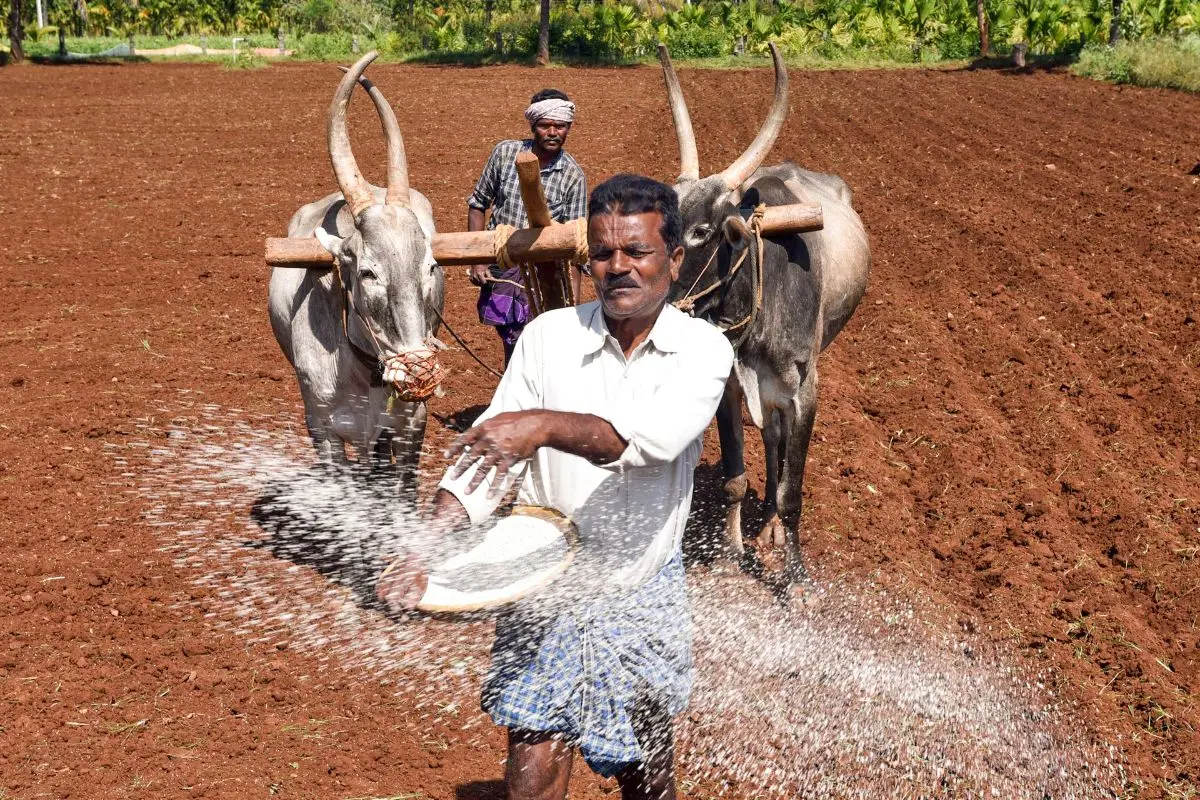
The Union Budget 2026-27 sets out a range of measures for India’s agriculture sector, focusing on artificial intelligence tools, high-value crops, and expanded provisions for livestock and fisheries. Finance Minister Nirmala Sitharaman detailed the proposals while presenting the Budget in Parliament.
AI tool and crop-specific programmes
The budget introduces Bharat-VISTAAR, a multilingual artificial intelligence system intended to integrate agricultural data with expert practices and provide customised advice to farmers.
Several crop-specific schemes were announced. A Coconut Promotion Scheme will replace old and unproductive trees with improved varieties, affecting an estimated 30 million people dependent on the crop. The budget also proposes measures aimed at achieving self-reliance in raw cashew and cocoa by 2030.
Sandalwood cultivation will be taken up through partnerships with state governments. In hilly regions, the budget outlines plans for high-density orchards for walnuts, almonds and pine nuts.
Livestock and fisheries provisions
Livestock, which accounts for nearly 16% of farm income, features in the budget through proposals to expand veterinary infrastructure. The government plans to add 20,000 veterinary professionals by providing subsidies to private veterinary colleges, hospitals and breeding laboratories. Support has also been proposed for farmer organisations in the dairy and poultry sectors.
For fisheries, the budget proposes the development of 500 reservoirs and Amrit Sarovars for fish farming. The following measures were announced to support fishing and seafood processing:
Fish caught by Indian vessels in deep-sea waters or the Exclusive Economic Zone (EEZ) will be exempt from duty.
The duty-free import limit for seafood processing inputs has been increased from 1% to 3%.
Startups and women-led groups will be included in coastal supply chains.
Tax changes and cooperative sector measures
The budget provides tax relief on income received from the compulsory acquisition of land under national transparency laws. Such income will be exempt from tax for individuals and Hindu Undivided Families.
Primary cooperatives supplying cattle feed and cotton seed produced by their members will be eligible for tax deductions. The budget also introduces SHE-Marts, described as community-owned retail outlets intended to support rural women entrepreneurs.
Measures were also announced for farmers cultivating medicinal herbs, with support linked to the establishment of three new All India Institutes of Ayurveda.