Union Budget 2026: Poll suggests tight spending, states take on bigger financial burden
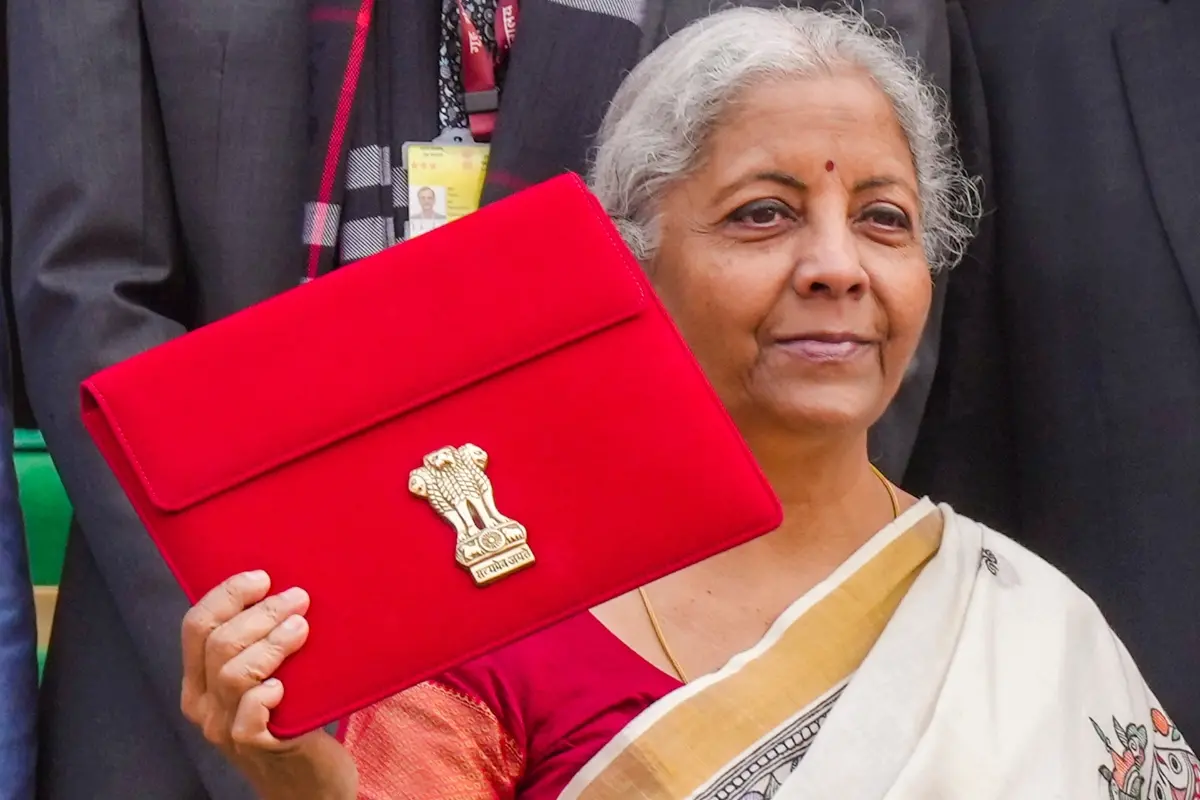
The union government is set to maintain a strict path of fiscal consolidation in its 1 February budget, according to a Reuters poll of economists. Despite a strong 8.2% economic expansion in late 2025, a slump in tax revenue has left Finance Minister Nirmala Sitharaman with limited room for manoeuvre.
Shrinking the deficit despite tax shortfalls
All 35 economists in the poll expect a consolidatory budget following recent tax cuts. The consensus suggests the fiscal deficit will drop to 4.2% of GDP next year, down from the 4.4% expected this year and 4.8% the year before. This squeeze comes as net tax collections by November 2025 fell 3.4% short of the previous year’s figures. To bridge the gap, the government is expected to rely heavily on non-tax income, particularly dividends from the Reserve Bank of India, which have surged nearly 5,000% over two decades.
States carry the borrowing burden
While union government keeps a tight grip on its own spending to meet targets and maintain its recently upgraded credit rating, it is increasingly handing over spending obligations to state governments. The Reuters poll indicates that states may see their debt ratios climb as they lack a similar path to consolidation. Total state borrowing could nearly match the central government’s this year, a trend that is currently preventing market interest rates from falling.
Record infrastructure spending vs rising debt
The government plans to shift its primary budget focus next year to federal debt-to-GDP, which the poll predicts will fall to 55.1% from 57%. Gross borrowing is still expected to rise to 16.27 trillion rupees. Despite these restraints, capital expenditure is tipped to hit a record 12 trillion rupees to boost growth. However, some experts in the poll warn that this massive infrastructure spend may be underutilised if it fails to spark private investment or create enough jobs