Singapore Airlines Q2 profit plunges 82% as Air India losses weigh on earnings
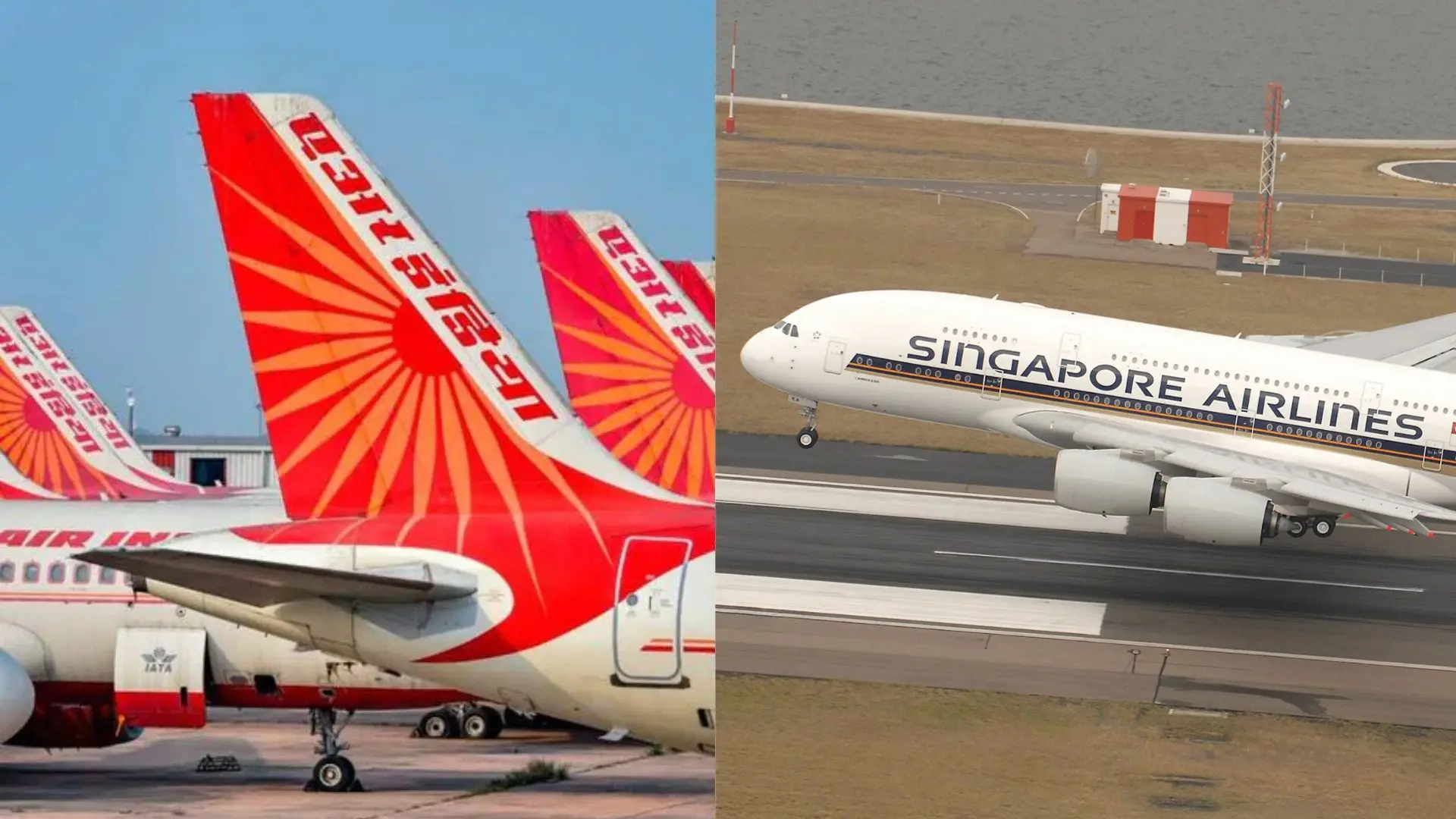
Singapore Airlines (SIA) reported a steep 82% fall in its second-quarter net profit, hit hard by ongoing financial troubles at Air India, in which it holds a 25.1% stake, and a decline in interest income.
The airline posted a net income of S$52 million (US$40 million) for the three months ended September 30, down from S$288 million in the same quarter last year. The figure was well below market expectations of around S$181 million, according to LSEG SmartEstimates.
Despite the profit slump, revenue rose 2.2% to S$4.89 billion, slightly under analyst projections of S$4.94 billion. The carrier’s operating profit, however, grew by about 23% to S$398 million, helped by steady passenger traffic and resilient travel demand.
Singapore Airlines’ results were significantly affected by losses from Air India, which it jointly owns with Tata Sons, following the merger of Vistara and Air India in late 2024.
The group’s share of results from associated companies, which includes Air India, was S$417 million lower year-on-year in the first half of FY2025. In the second quarter alone, SIA’s associated companies recorded a combined loss of S$295 million, reflecting Air India’s continued operational and financial challenges.
Air India, still recovering from the June 2025 crash that killed more than 240 passengers and crew, has been seeking ₹100 billion (US$1.1 billion) in financial support from its owners, Tata Sons and Singapore Airlines. The funds are reportedly meant for safety system upgrades, in-house engineering, and maintenance expansion.
SIA said it remains fully committed to working with Tata Sons to help Air India execute its multi-year transformation plan aimed at turning the carrier into a world-class airline.
For the first half of the fiscal year, Singapore Airlines reported a net profit of S$239 million, down nearly 68% year-on-year.
The company attributed part of the decline to a S$42 million drop in interest income, caused by lower cash balances and interest rate cuts during the period. Passenger yields, a measure of how much an airline earns per passenger per kilometre also fell by 3%, reflecting rising costs and competitive ticket pricing.
Despite these challenges, SIA said demand for air travel remains strong, particularly as it heads into the year-end holiday season, which is traditionally a high-demand period for the carrier.
SIA said the global aviation environment remains unpredictable due to geopolitical tensions, macroeconomic headwinds, inflation, and supply chain constraints affecting aircraft and parts availability.
The airline also noted that the air cargo market continues to face volatility due to shifting trade policies and uneven global demand.
“Despite ongoing challenges, the SIA Group remains committed to its transformation journey and to supporting Air India’s turnaround with its partner Tata Sons,” the carrier said in a statement.
Singapore Airlines became a stakeholder in Air India after the merger of Vistara with Air India in November 2024. SIA began equity accounting for Air India from December 2024, giving it a 25.1% ownership in the new combined entity.
Since then, Air India’s recovery efforts, including fleet modernisation, technology upgrades, and safety audits, have been slow, with the June crash casting a shadow over its reputation and balance sheet.