Silver hits record on MCX as Trump’s Greenland tariff threat sparks US-EU trade fears
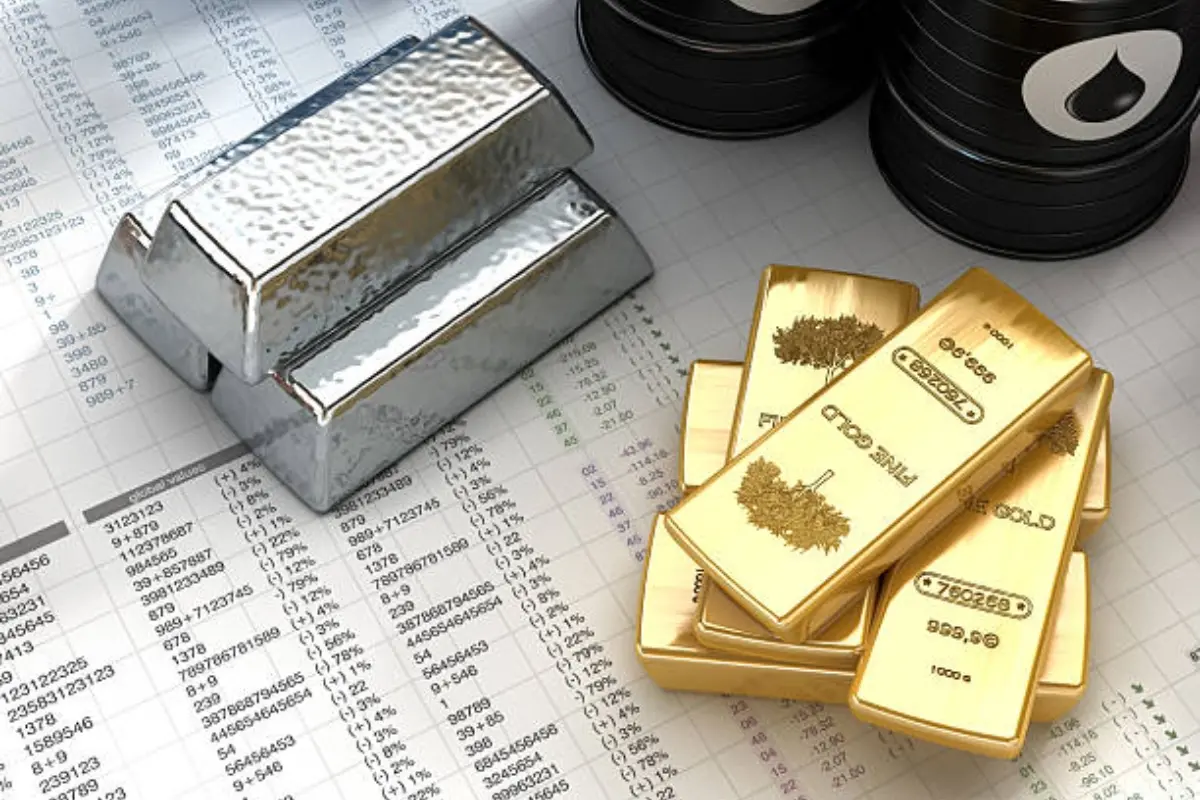
Asian markets extended losses on Tuesday as investors reacted to renewed fears of a US-EU trade dispute, sending silver to a fresh peak.
The uncertainty around a potential transatlantic trade standoff pushed silver prices to $94.73 (approximately 8621.14 INR) in Asian trade, while gold remained just below its own record levels reached on Monday.
Silver prices rose by ₹10 per gram in India, pushing the rate to ₹315 per gram, with slight variations across major cities like Chennai and Bangalore.
“Markets are in risk-off mode with gold and silver being bought as safe havens,” said Anil Kumar Bhansali, Head of Treasury at Finrex Treasury Advisors LLP.
According to a recent report by HSBC Global Investment Research, the Indian metals and mining sector is set to remain attractive in 2026, supported by favourable global macroeconomic conditions, strong domestic demand, and recent policy measures such as safeguard duties. The report identified several positive factors for the industry, including a weaker US dollar, supply-side constraints in copper and aluminium, and generally robust balance sheets across companies.
“Institutional under-ownership in the context of strong balance sheets (vs previous cycles), and supportive policy means the sector should remain in favour in 2026,” HSBC noted.
Trump’s Greenland push raises concerns
After a strong start to the year, bolstered by optimism around the artificial intelligence sector, markets turned cautious following US President Donald Trump’s heightened demands over Greenland. The prospect of a broader trade conflict prompted a rush to safe-haven assets, including precious metals.
Trump announced on Saturday plans to impose 10 percent tariffs on eight countries – including Denmark, France, Germany, and Britain – from February 1, rising to 25 percent on June 1. The move sparked resistance from Copenhagen and other European capitals and raised questions about the future of last year’s US-EU trade agreement.
Equities were broadly weaker across Asia, with major indices in Tokyo, Hong Kong, Shanghai, Sydney, Seoul, Singapore, Taipei, Manila, and Wellington all recording losses. Treasury yields in the US rose as investors moved out of riskier assets, while Japanese government bond yields climbed after Prime Minister Sanae Takaichi announced snap elections and a proposed two-year cut in food tax.
Rupee also faces strain
Currency markets also felt the strain. The Indian rupee opened at 90.91 against the dollar and fell to 90.98, weighed down by strong dollar demand from metal importers and continued foreign fund outflows. Analysts said rising geopolitical uncertainty and a weak domestic stock market were keeping emerging market currencies under pressure.
With eyes now on the World Economic Forum in Davos, Switzerland, analysts are warning that any signs of further US-EU discord could exacerbate market volatility. “A NATO fracture, even rhetorical, is not something markets are trained to shrug off,” wrote Stephen Innes of SPI Asset Management.
The dollar index, measuring the greenback’s strength against a basket of six currencies, was down 0.44 percent at 98.95, reflecting a broader shift towards safe-haven assets amid growing uncertainty.
(With agency inputs)