RBI announces major reforms on loans, NBFCs and UCBs: What are they
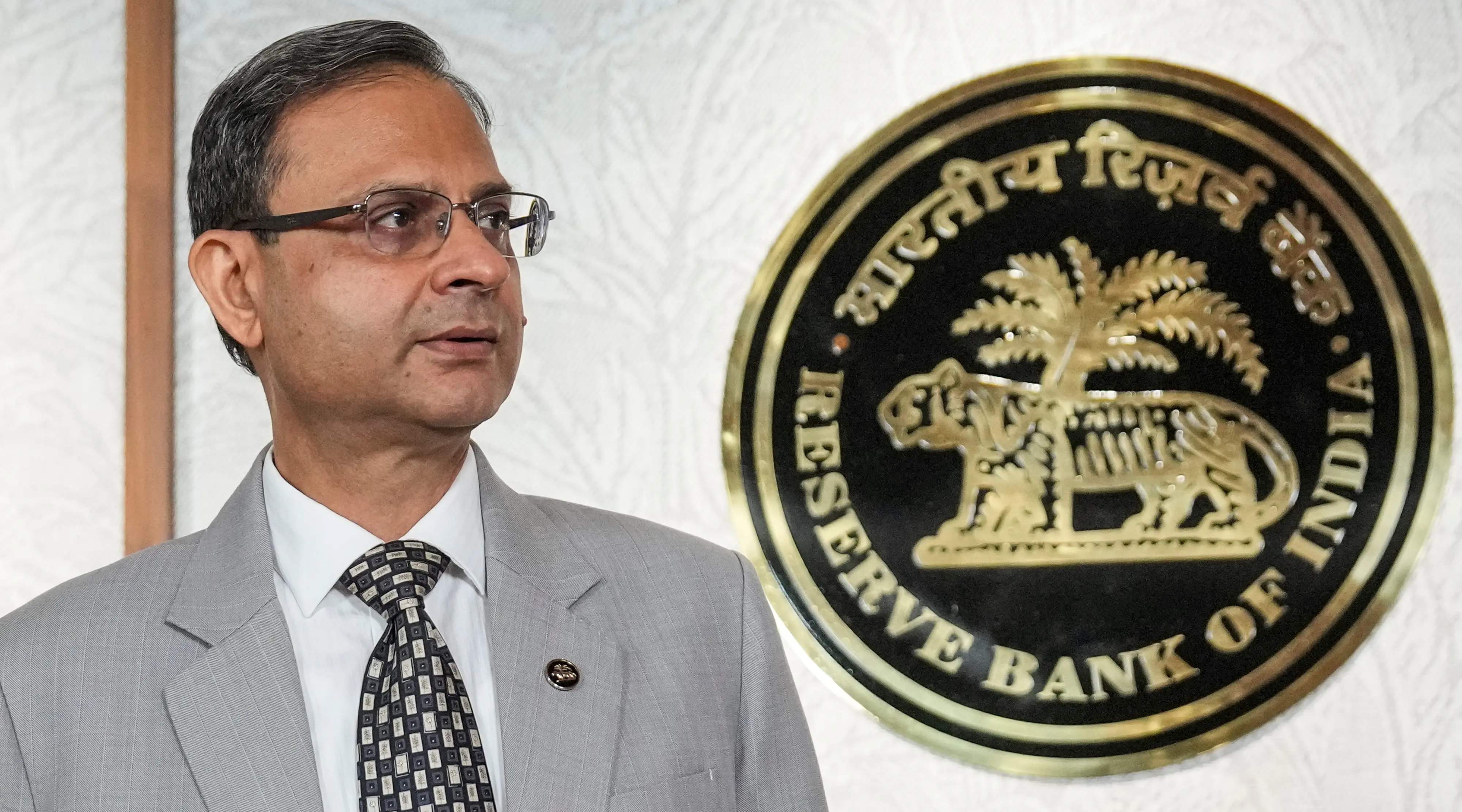
New Delhi: Reserve Bank of India (RBI) Governor Sanjay Malhotra on Friday outlined a series of policy initiatives focused on customer protection, financial inclusion, credit expansion and regulatory reforms across the banking and non-banking sectors.
On customer protection, the RBI will issue three draft guidelines addressing mis-selling of financial products, regulation of loan recovery practices including the engagement of recovery agents, and limiting customer liability in unauthorised electronic banking transactions. The central bank has also proposed a compensation framework for small-value digital frauds, with losses capped at Rs 25,000.
The Governor said the RBI will release a discussion paper on strengthening digital payment security. Proposed measures may include features such as lagged credits and additional authentication requirements for specific user groups, including senior citizens.
In the area of financial inclusion, the RBI has completed a comprehensive review of the Lead Bank Scheme (LBS), the Kisan Credit Card scheme and the Business Correspondent model. Revised draft guidelines will be issued shortly, and a unified reporting portal will be introduced to streamline data management under the LBS framework.
To improve credit flow to small businesses, the RBI has proposed raising the limit for collateral-free loans to micro, small and medium enterprises (MSMEs) from Rs 10 lakh to Rs 20 lakh. In addition, banks will be permitted to lend to Real Estate Investment Trusts (REITs), subject to prudential safeguards, in a move aimed at supporting real estate sector financing.
For urban cooperative banks (UCBs), the RBI will increase financial limits on unsecured loans and loans extended to nominal members. The central bank also plans to remove tenor- and moratorium-related requirements for housing loans provided by Tier III and Tier IV UCBs. Further, the RBI will launch Mission SAKSHAM (Sahakari Bank Kshamta Nirman) to enhance managerial and technical capabilities in the UCB sector, targeting training for over 1.4 lakh participants.
On regulatory easing for non-banking financial companies (NBFCs), entities that do not handle public funds or have customer interface, and with asset sizes up to Rs 1,000 crore, are proposed to be exempted from mandatory registration. Certain NBFCs will also no longer require prior approval to open more than 1,000 branches.
The measures, announced in the monetary policy statement, are aimed at reinforcing financial stability while improving access to credit and strengthening consumer safeguards in India’s banking system.