RBI Monetary Policy Committee raises repo rate to 5.50% after August pause
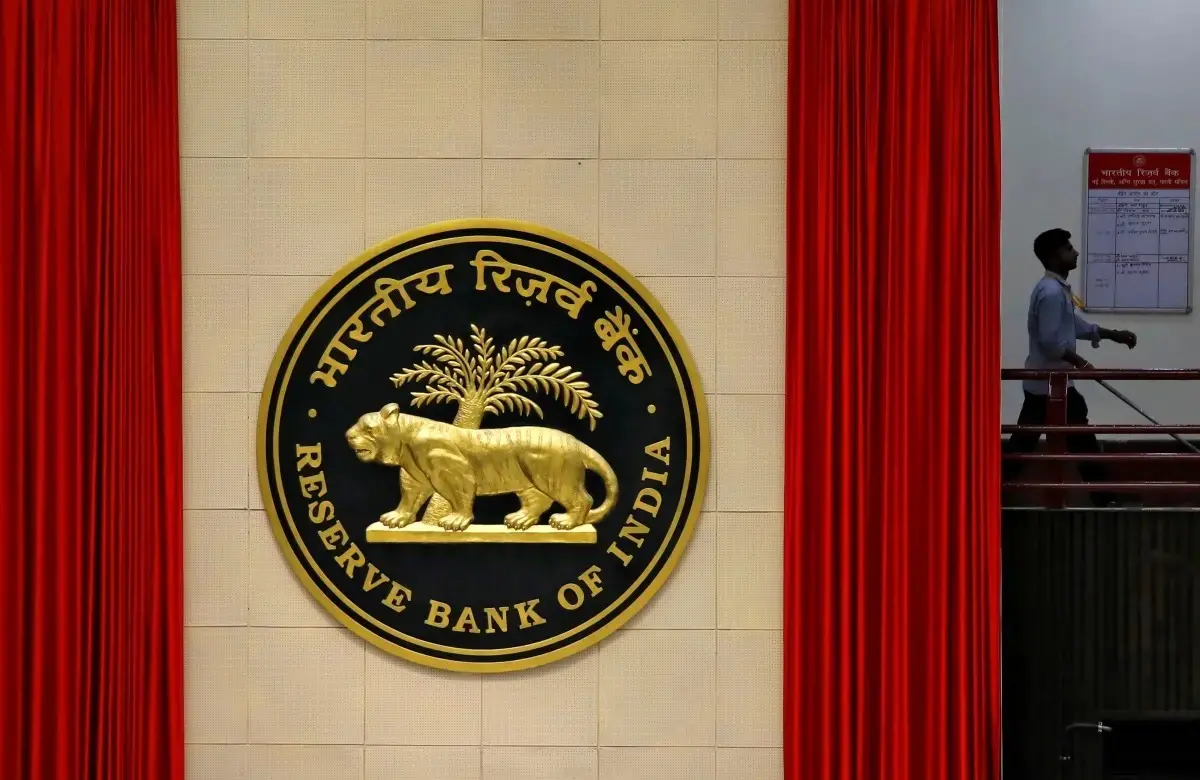
Mumbai: The Reserve Bank of India (RBI) on Wednesday raised its policy repo rate by 25 basis points to 5.50 per cent, beginning a rate-hike cycle as rising inflation risks, elevated global yields and resilient domestic growth increased the case for tighter monetary policy.
The decision was taken by the Monetary Policy Committee (MPC), which had kept the repo rate unchanged at 5.25 per cent in August while retaining a neutral stance and seeking greater clarity on the inflation outlook and the balance between growth and inflation.
RBI Governor Sanjay Malhotra said the MPC unanimously voted to raise the policy repo rate by 25 basis points after assessing the evolving macroeconomic and financial conditions.
With the repo rate increase, the standing deposit facility (SDF) rate now stands at 5.25 per cent, while the marginal standing facility (MSF) rate and Bank Rate have been raised to 5.75 per cent. The MPC also shifted its stance to calibrated tightening, with a majority of members backing the change.
Inflation and global risks
The rate hike comes amid renewed concerns over inflation. India's CPI inflation stood at 4.82 per cent in August, while economists and research reports expect inflation to rise above 5 per cent during FY27.
Inflation is projected to peak at around 5.9 per cent in the third quarter, with deficient monsoon conditions and crude oil prices around $100 a barrel adding to price pressures.
Global financial conditions have also become less favourable. The US Federal Reserve raised its policy rate by 25 basis points in September, while US 10-year Treasury yields have remained elevated at around 5.3 per cent.
The rupee was trading at around ₹96.36 against the US dollar at the time of filing the report.
Liquidity also a concern
Liquidity conditions were another factor considered by the central bank. The RBI's special forex swap facility had mobilised $132.98 billion through FCNR(B) deposits as of August 31, adding substantial liquidity to the banking system and increasing the need for calibrated absorption.
At the same time, domestic economic activity has remained strong. India's economy grew 7.8 per cent in the first quarter of FY27, while high-frequency indicators pointed to continued strength in domestic demand, manufacturing and services.
The latest rate hike is expected to shape the direction of monetary policy in the coming months. Economists had earlier estimated scope for cumulative tightening of up to 75 basis points, with the repo rate potentially reaching around 6 per cent by the end of FY27, depending on inflation, crude oil prices and global financial conditions.