RBI’s 2FA mandatory: Know how UPI and card payments will change from April 1
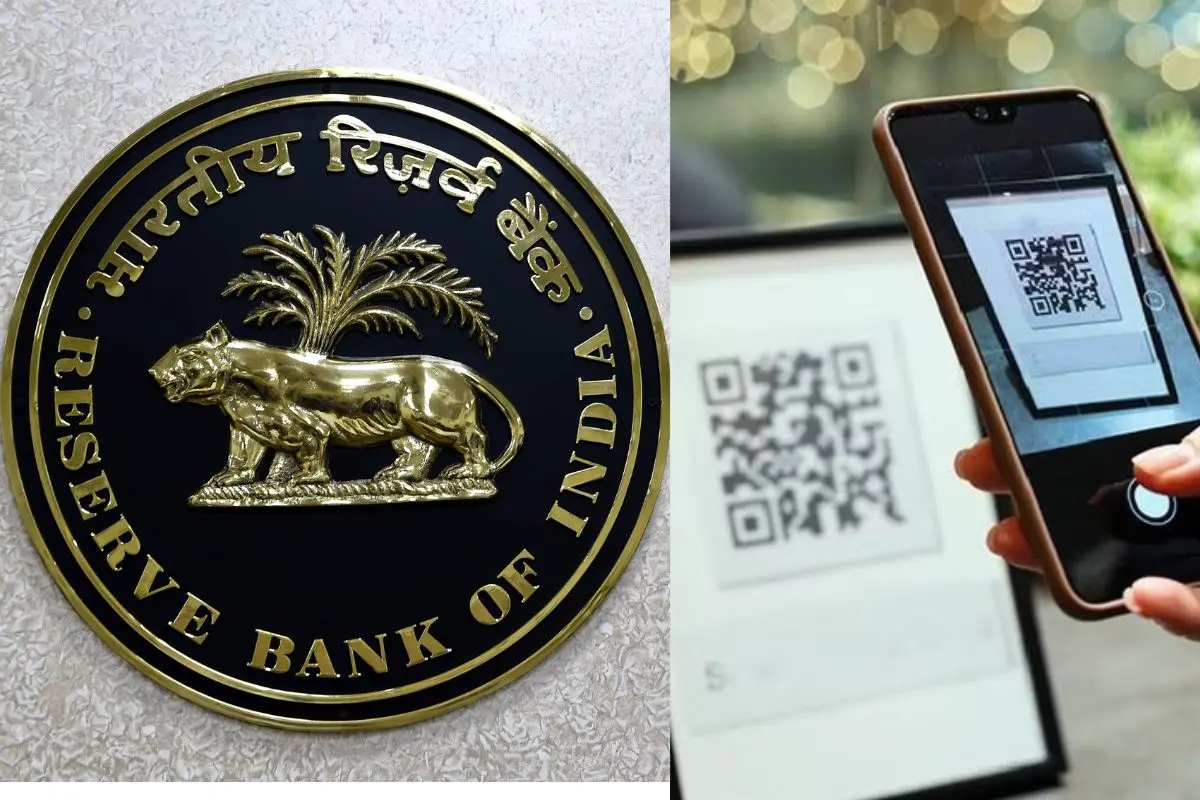
New Delhi: From April 1, 2026, digital payments in India are set to become more secure as the Reserve Bank of India (RBI) enforces mandatory two-factor authentication (2FA) for all online transactions, including UPI payments, debit and credit cards, and mobile wallets.
Under the new rules, one-time passwords (OTP) alone will no longer suffice to complete a transaction. Users will need to pass at least two layers of verification, such as a PIN, password, biometric authentication, or token, in addition to OTP.
Enhanced security amid rising online frauds
The RBI’s move comes amid increasing incidents of online payment fraud, including phishing and SIM swap scams, where traditional OTP-based systems have shown vulnerabilities. By introducing an extra verification step, the central bank aims to reduce unauthorised transactions and strengthen trust in India’s digital payment ecosystem.
“While payments may take slightly longer, especially on new devices or high-value transactions, the additional security layer will protect millions of users from fraud,” experts said.
Also Read| Sukanya Samriddhi Yojana: Is your money safe? Government clarifies
Risk-based approach and smooth transactions
The new system will adopt a risk-based authentication approach, where the intensity of security checks depends on the transaction type and user behaviour. Routine transactions on recognised devices are expected to remain smooth, ensuring minimal disruption for everyday users.
Accountability for banks and payment platforms
The updated regulations also increase accountability for banks and payment platforms. In cases of fraud caused by system failures, financial institutions may be required to compensate affected customers, prompting faster resolution of complaints and a stronger focus on security infrastructure.
Extension to International transactions
The RBI has indicated that similar 2FA rules will apply to cross-border card payments, with full implementation expected by October 2026.
With digital payments in India growing rapidly, the RBI’s move seeks to balance convenience with enhanced security, safeguarding users while maintaining the ease of online transactions.
Experts note that the extra verification step, though a minor inconvenience, is likely to significantly reduce fraud risk and make digital payments safer for millions across India.
IANS